Nine field notes
Choices that depend on the flock
Older hens, roosters, ranging, bullying, broodiness, weight records, predator attacks, new-bird risk, and winter lighting.
 NOTE 01 · 3 MIN
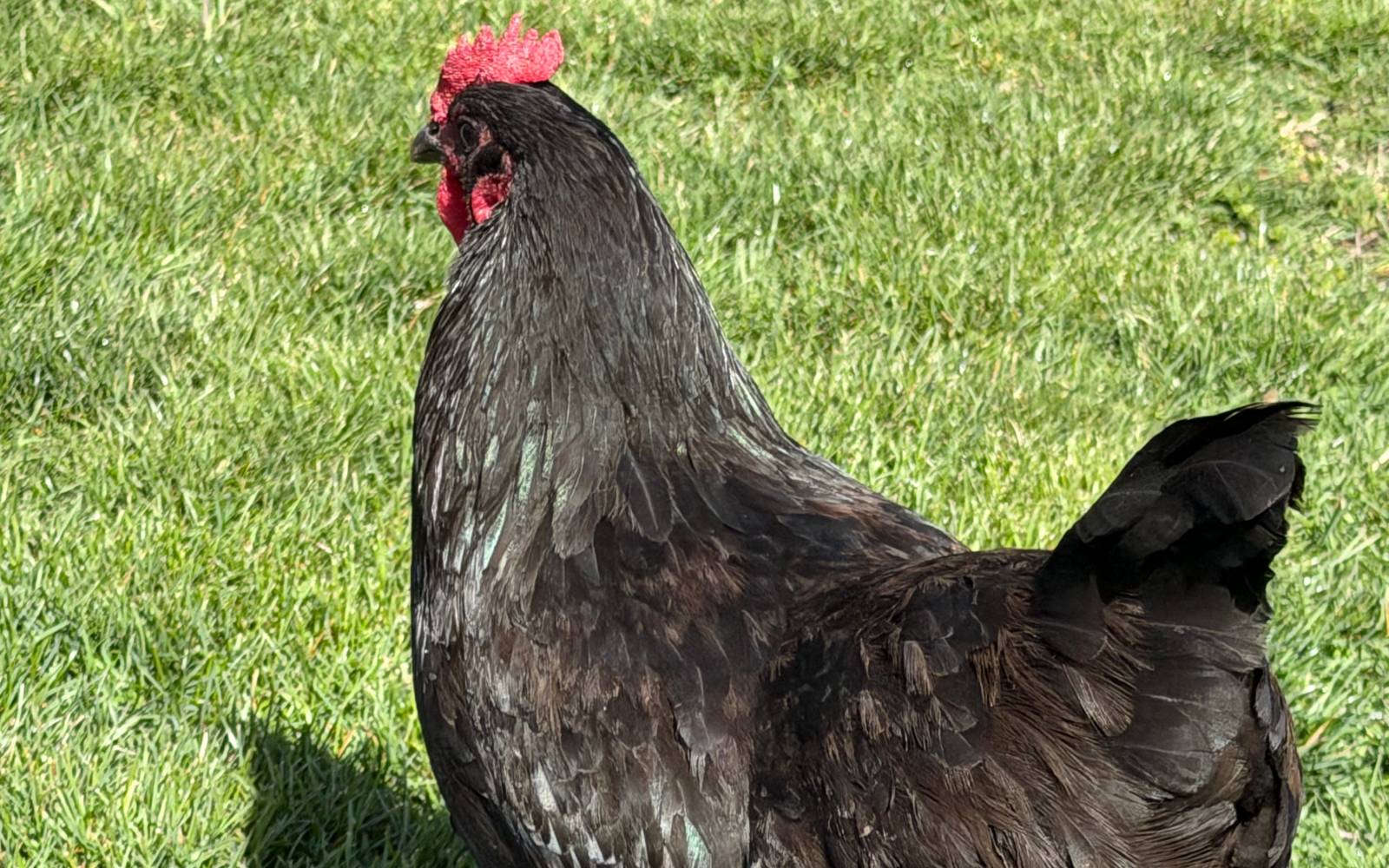
When pecking-order trouble needs intervention
Normal social correction is brief. Repeated exclusion, wounds, and blocked access are management problems that need a response.
Read the field note →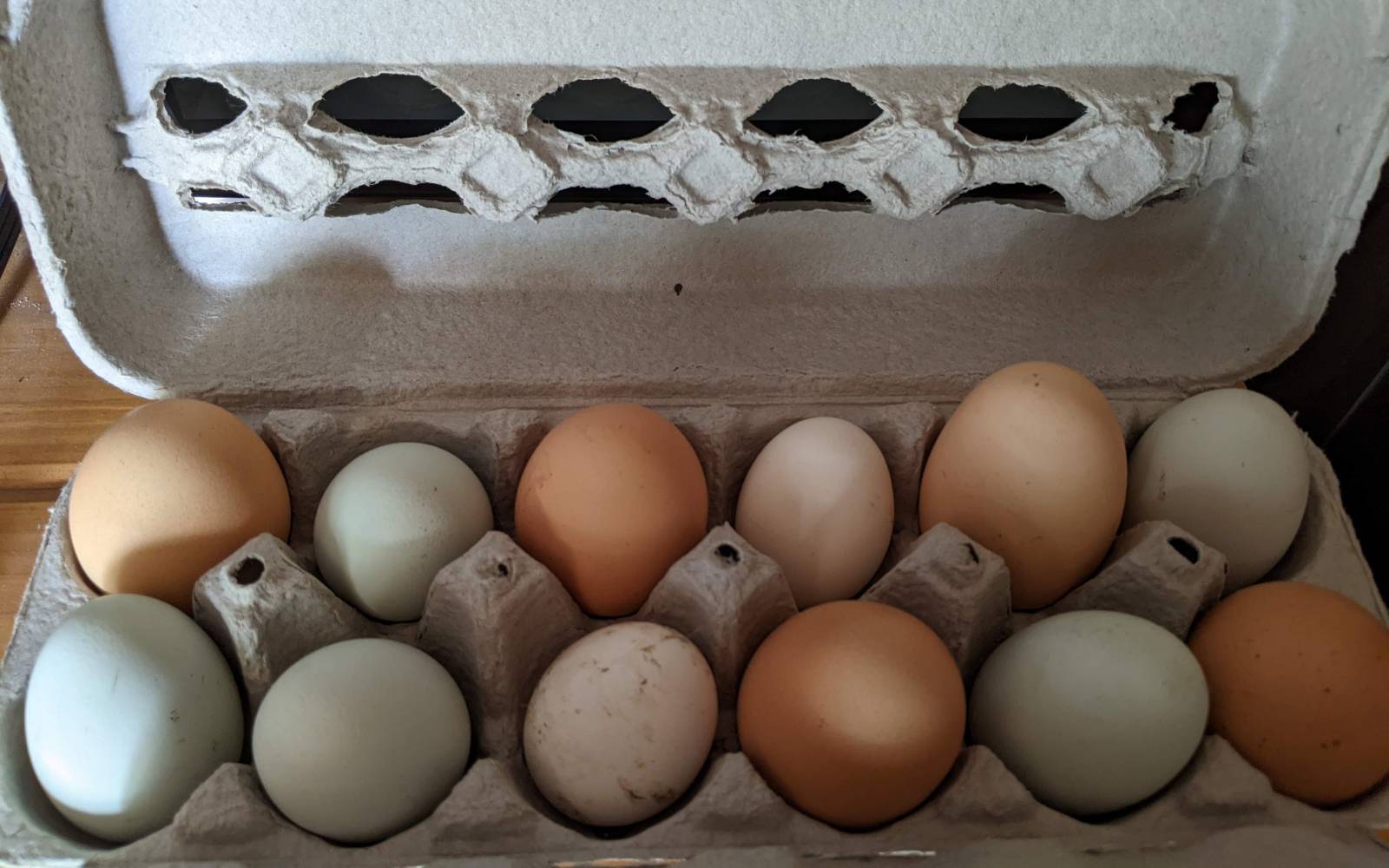 NOTE 02 · 3 MIN
A broody hen is a management decision, not a free incubator
Before allowing a hatch, I assess the hen, the eggs, the nesting site, and the permanent homes needed after chicks arrive.
Read the field note →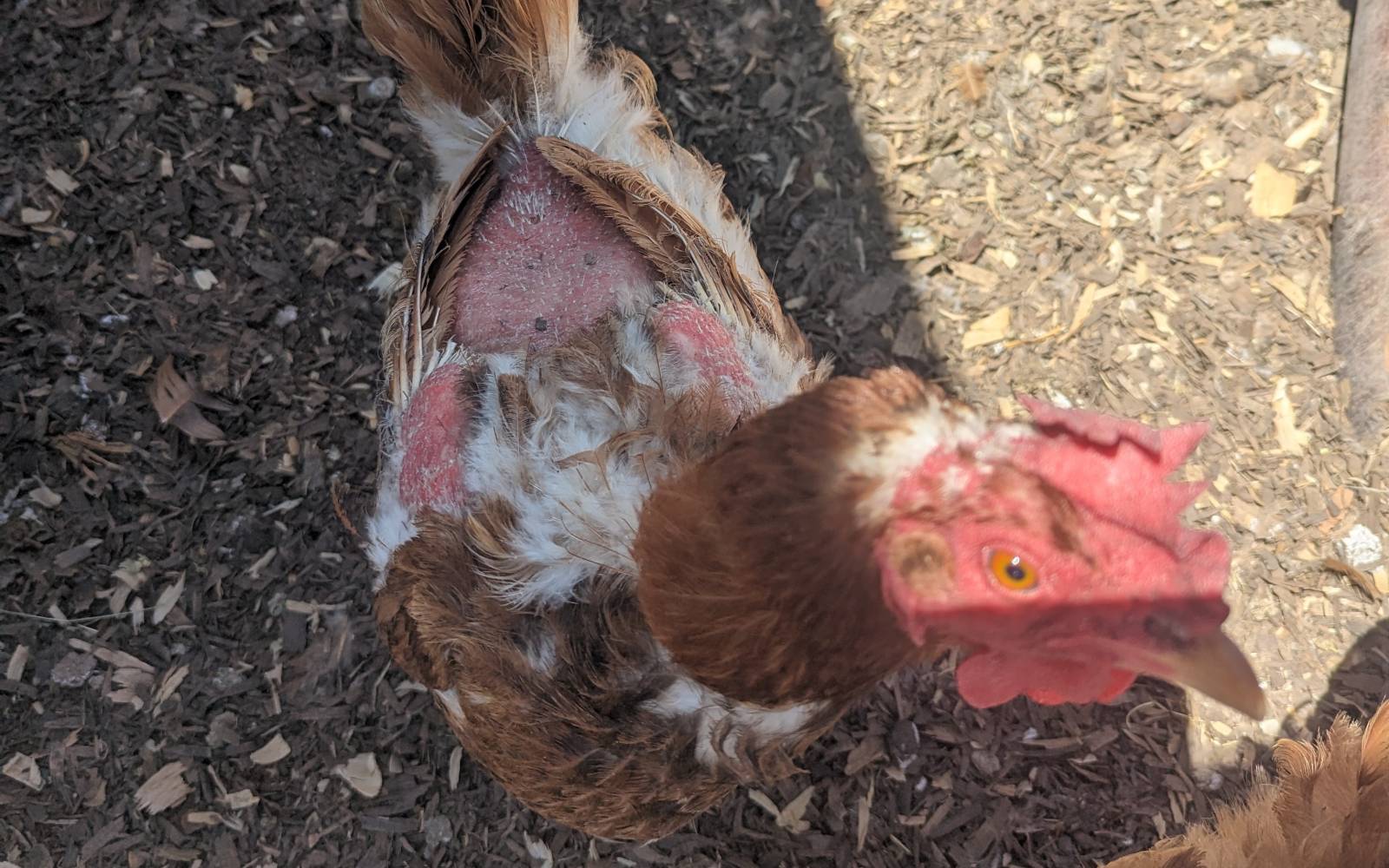 NOTE 03 · 3 MIN
Why I weigh hens before they look sick
A repeatable weight and body-condition record can reveal gradual change that feathers conceal and memory misses.
Read the field note →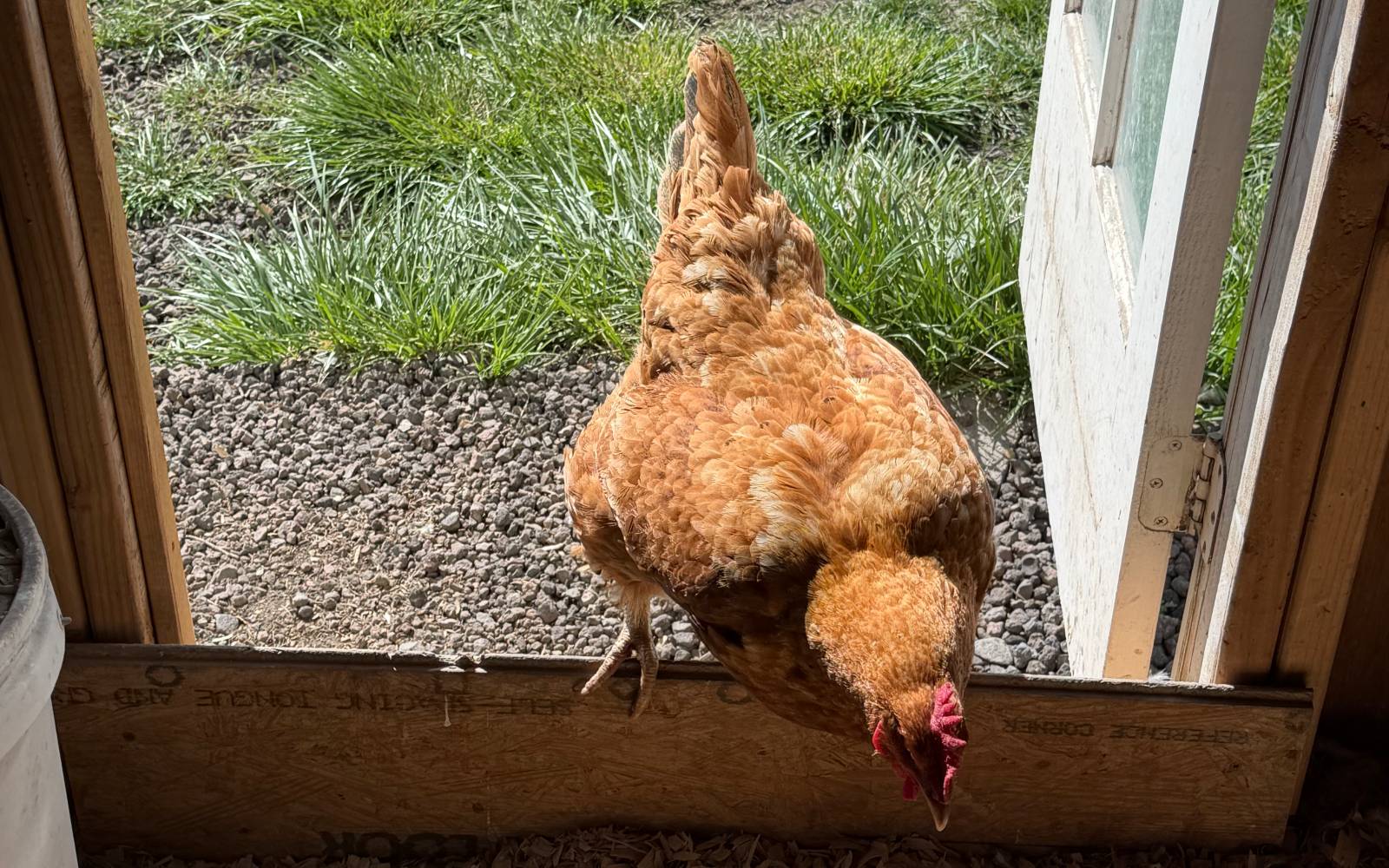 NOTE 04 · 6 MIN
Why I still keep hens after they stop laying
An older hen's value is easier to see when you track comfort, flock behavior, and the work she still does.
Read the field note →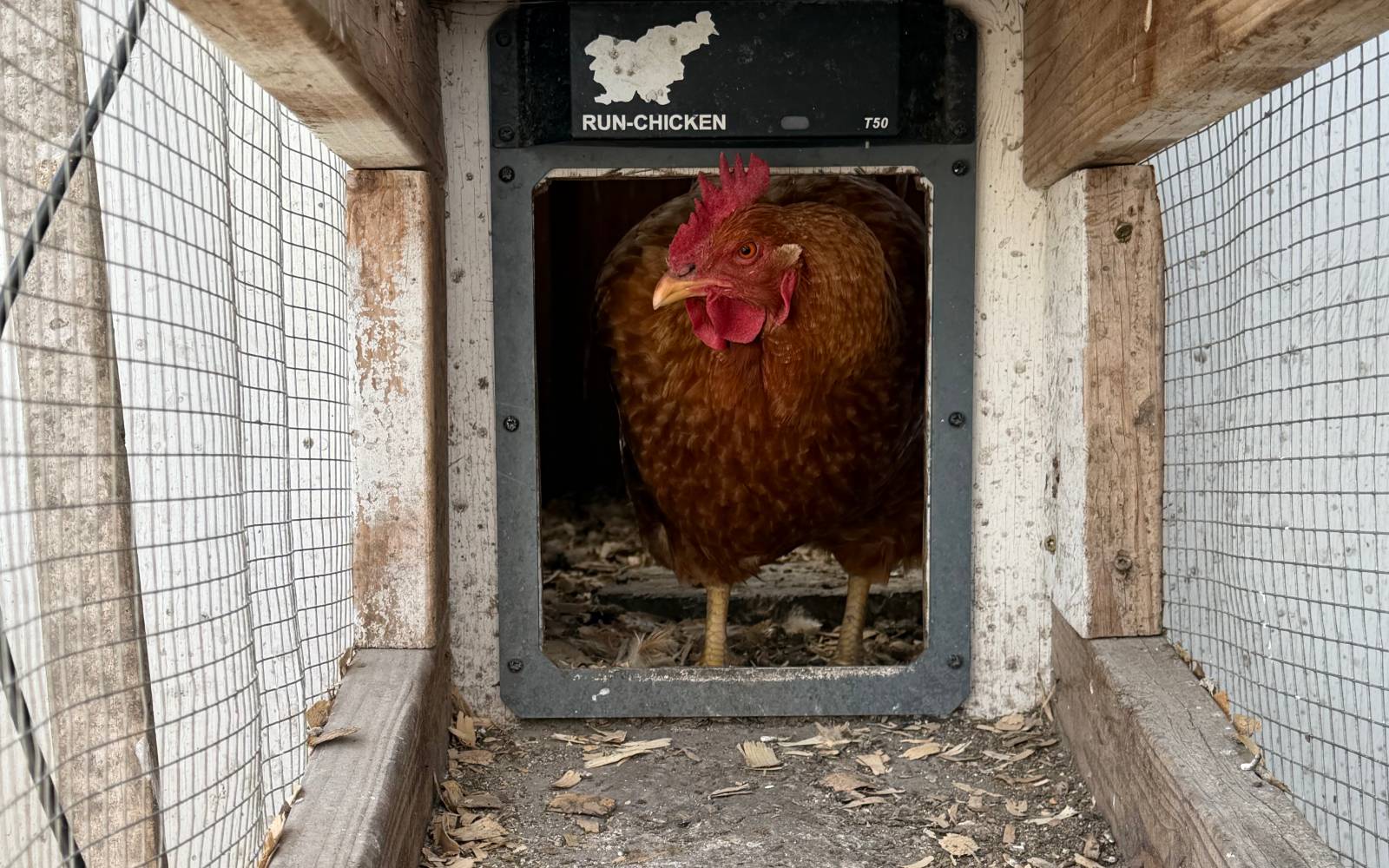 NOTE 05 · 3 MIN
What I do in the first hour after a predator attack
The first job is stabilizing birds and securing the scene; the second is learning exactly how the housing failed.
Read the field note →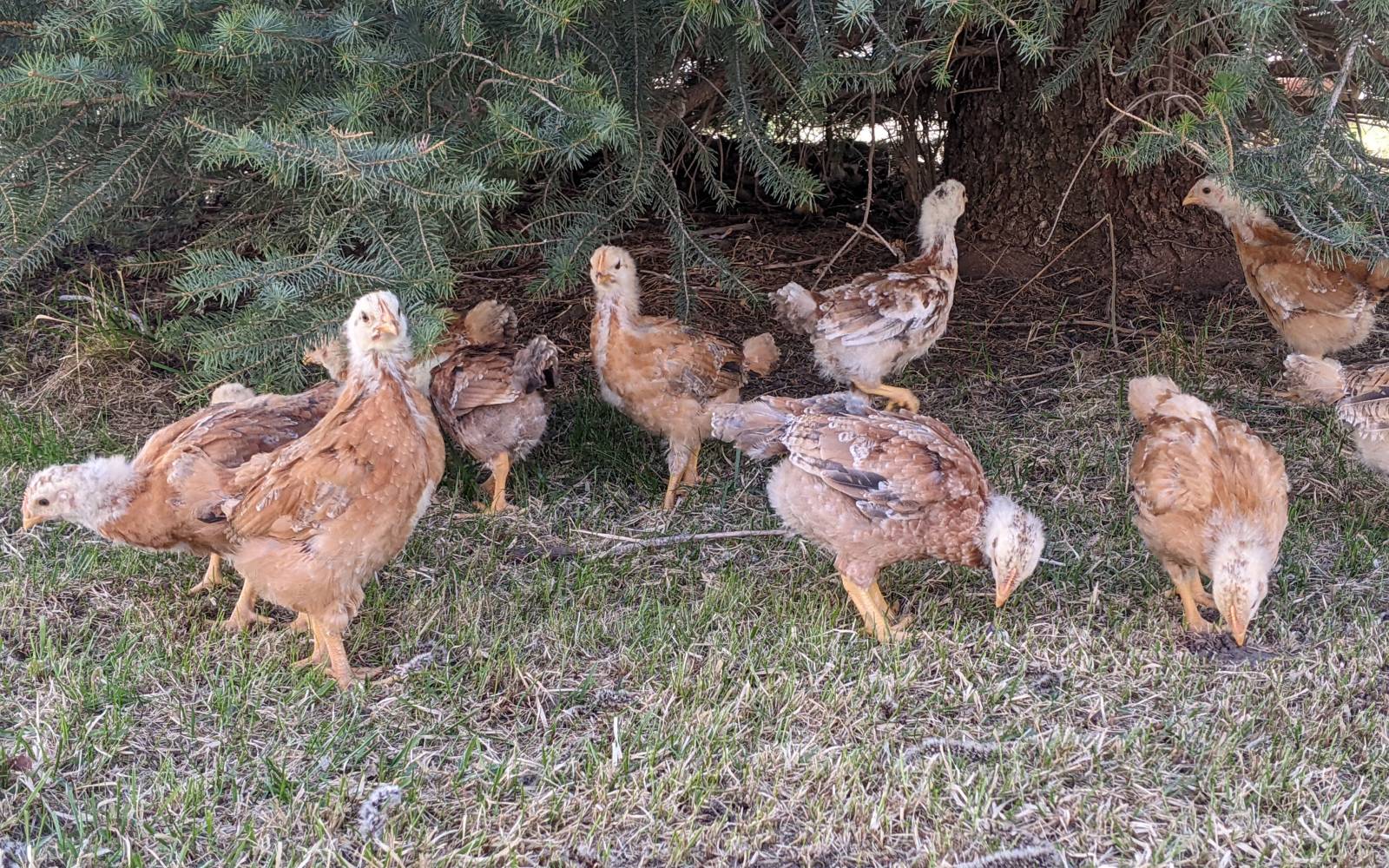 NOTE 06 · 3 MIN
Why I keep a closed flock
Every new bird can add genetics and personality, but it also resets disease risk, quarantine work, and social stability.
Read the field note →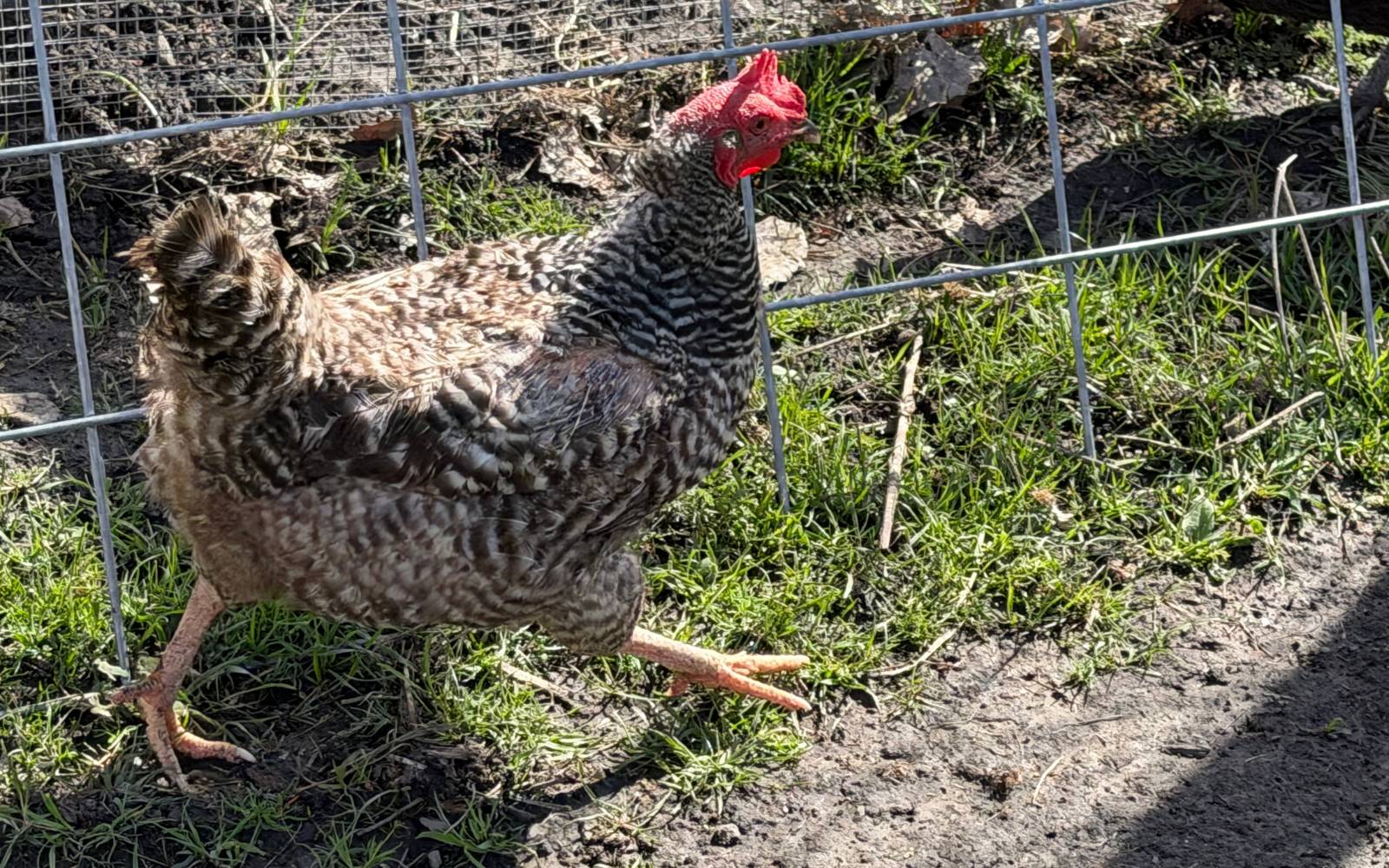 NOTE 07 · 3 MIN
What I decide before adding winter light
Supplemental light can support laying, but it adds electrical, behavioral, and management obligations that continue all winter.
Read the field note →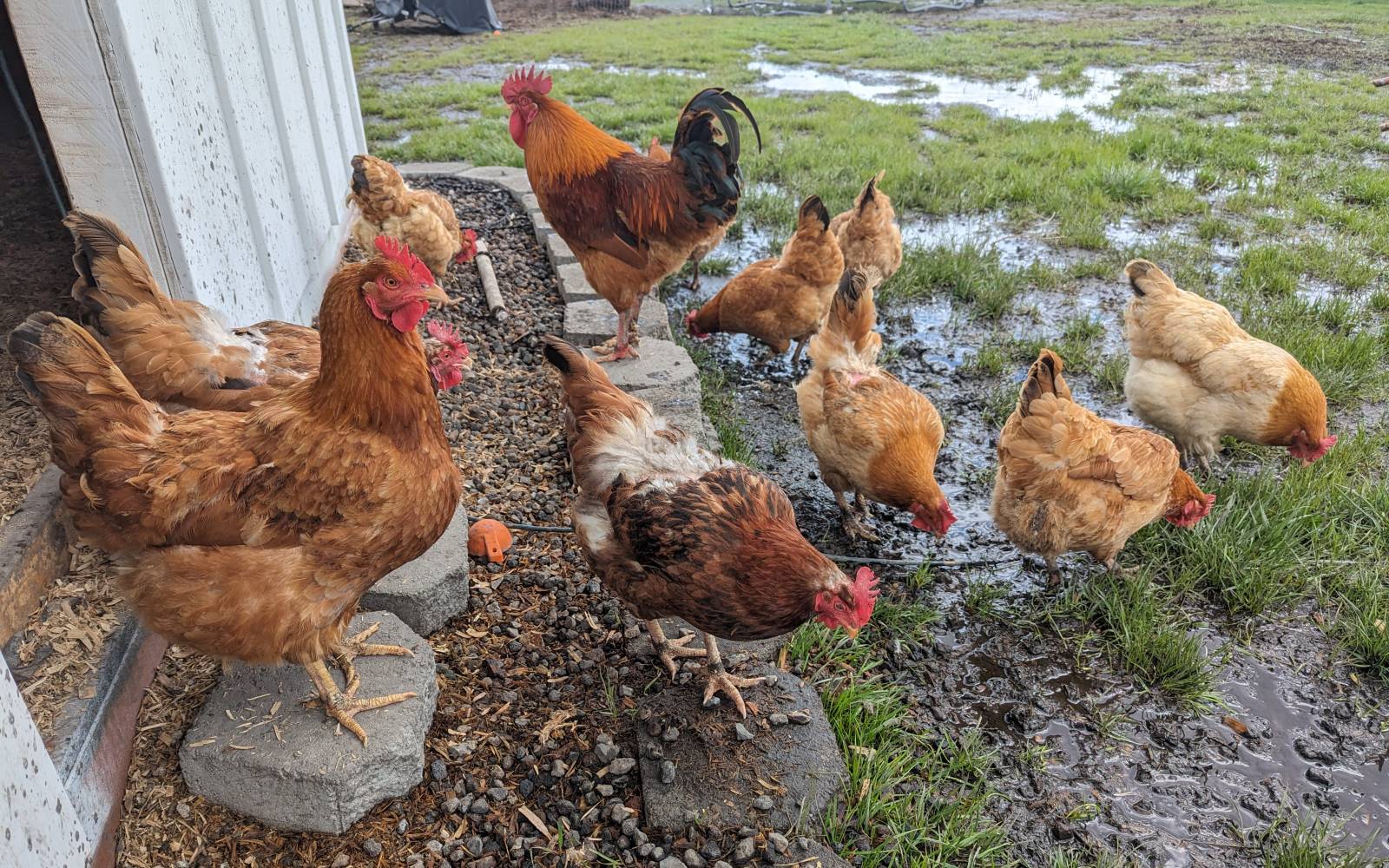 NOTE 08 · 5 MIN
What a good rooster contributes to a flock
A rooster should improve flock awareness without subjecting hens or people to constant aggression.
Read the field note →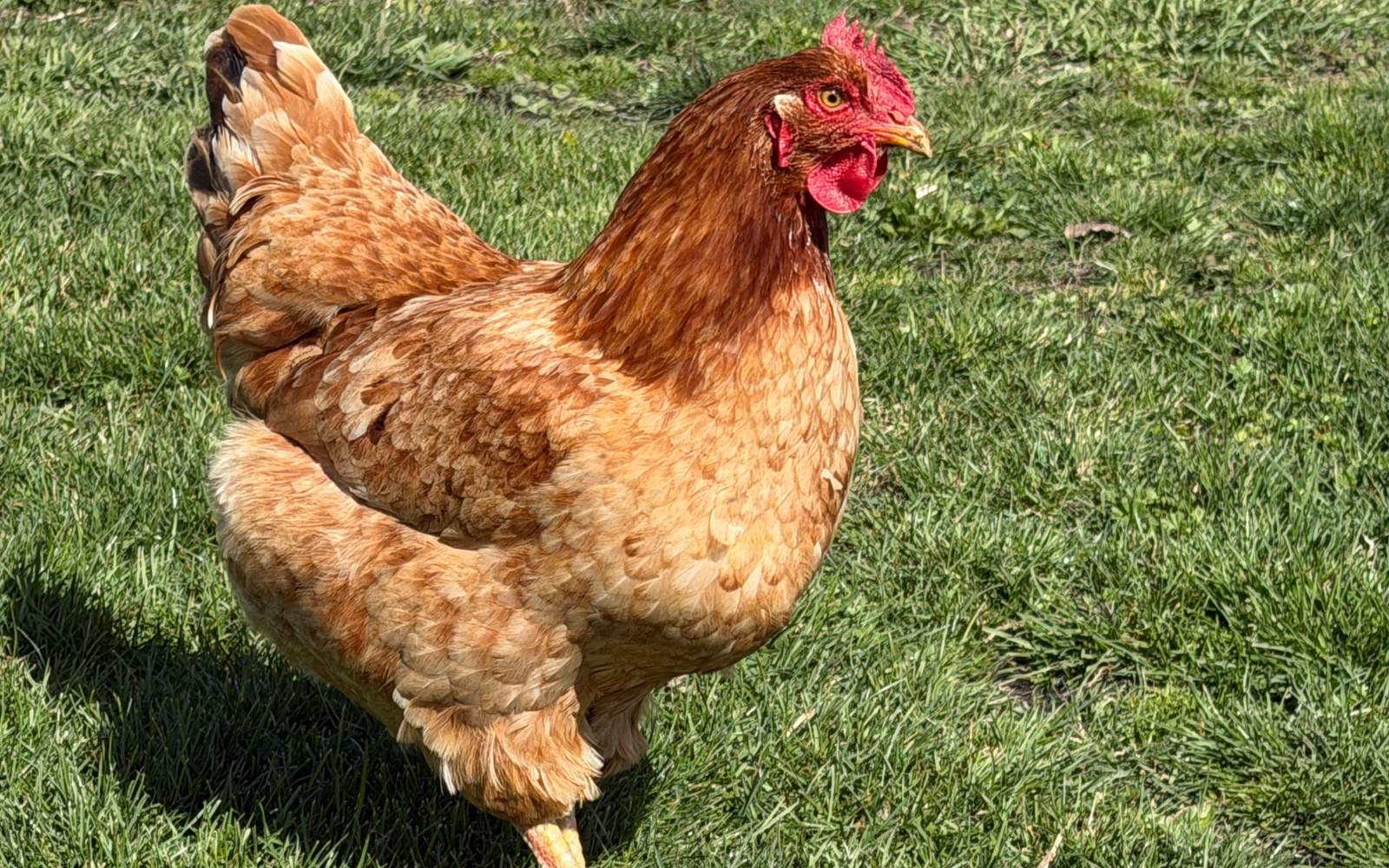 NOTE 09 · 6 MIN
The conditions I check before free ranging
Opening the gate is a daily risk decision shaped by visibility, cover, weather, flock condition, and supervision.
Read the field note →Need measurements or a checklist?
Open the guide for the job at hand.
Find housing, feed, egg, health, introduction, chick, predator, heat, and winter instructions in one index.
Open all field guides