Field note · August 7, 2026
What I decide before adding winter light
Supplemental light can support laying, but it adds electrical, behavioral, and management obligations that continue all winter.
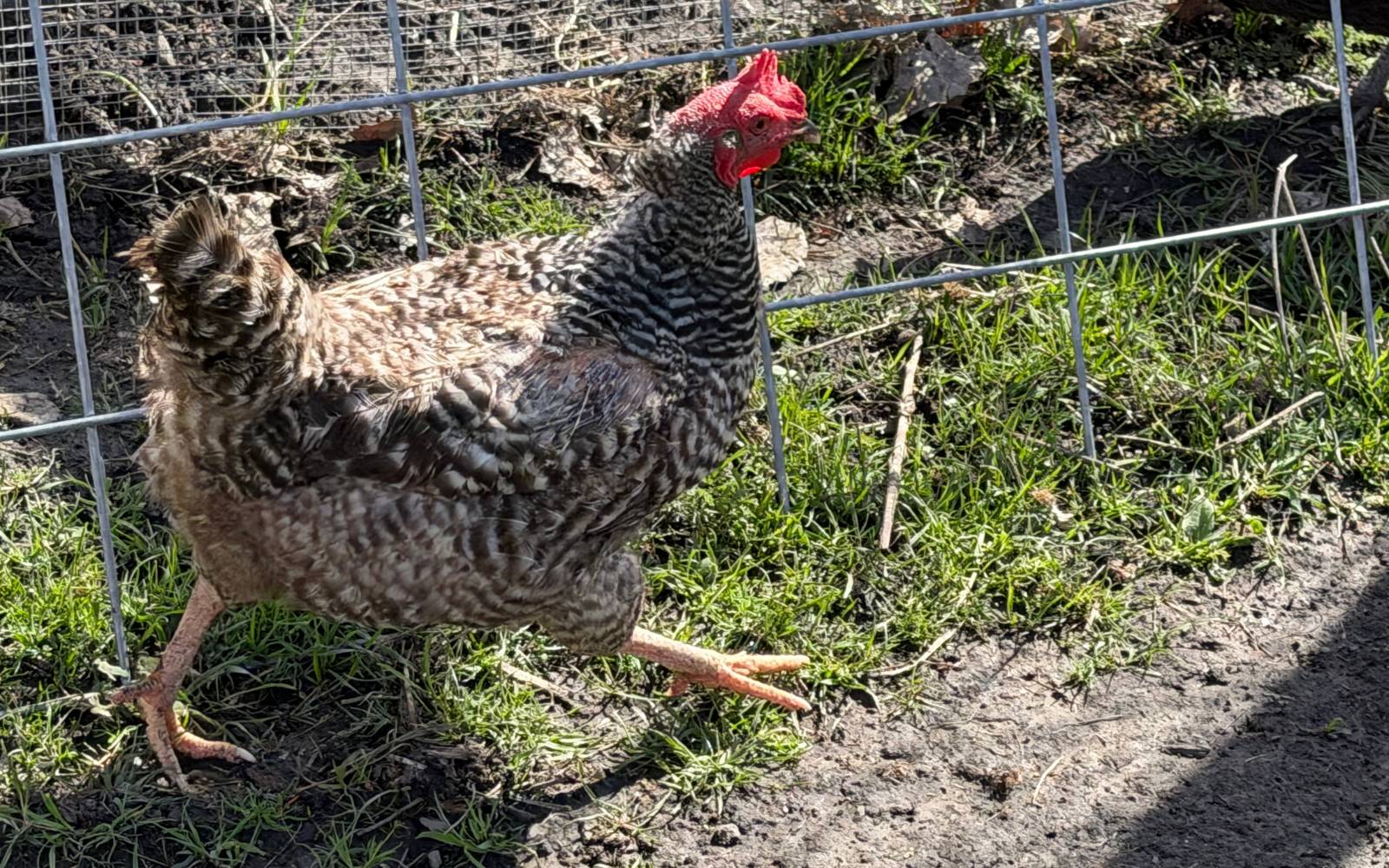
Use winter lighting only for a defined production goal, with a timer, a gradual schedule, a protected electrical setup, and an uninterrupted dark period.
Decide whether winter eggs justify the setup
Shorter days naturally reduce reproductive stimulation and often coincide with molt. Allowing production to slow is a valid management choice. Before installing a light, I decide how many winter eggs matter and whether buying eggs would be simpler than maintaining a lighting program.
I do not use light to cover another cause of decline. Poor nutrition, parasites, illness, age, heat stress, hidden nests, or disrupted water can reduce production. The flock receives a health and husbandry review first.
The schedule must preserve darkness
For mature laying hens, extension guidance commonly uses a total photoperiod of about sixteen hours, including daylight, and warns against exceeding it. Birds still need a dark period for normal rest. I add time gradually rather than making a sudden multi-hour change.
Morning light is easier to manage because natural dusk still cues birds to roost. A timer keeps the schedule consistent when household routines change. I verify the timer after outages and seasonal clock changes rather than assuming it kept the program.
- Calculate daylight before adding artificial hours
- Change the schedule by no more than about an hour per week
- Keep a reliable dark period
- Check the timer and bulb every morning for the first week
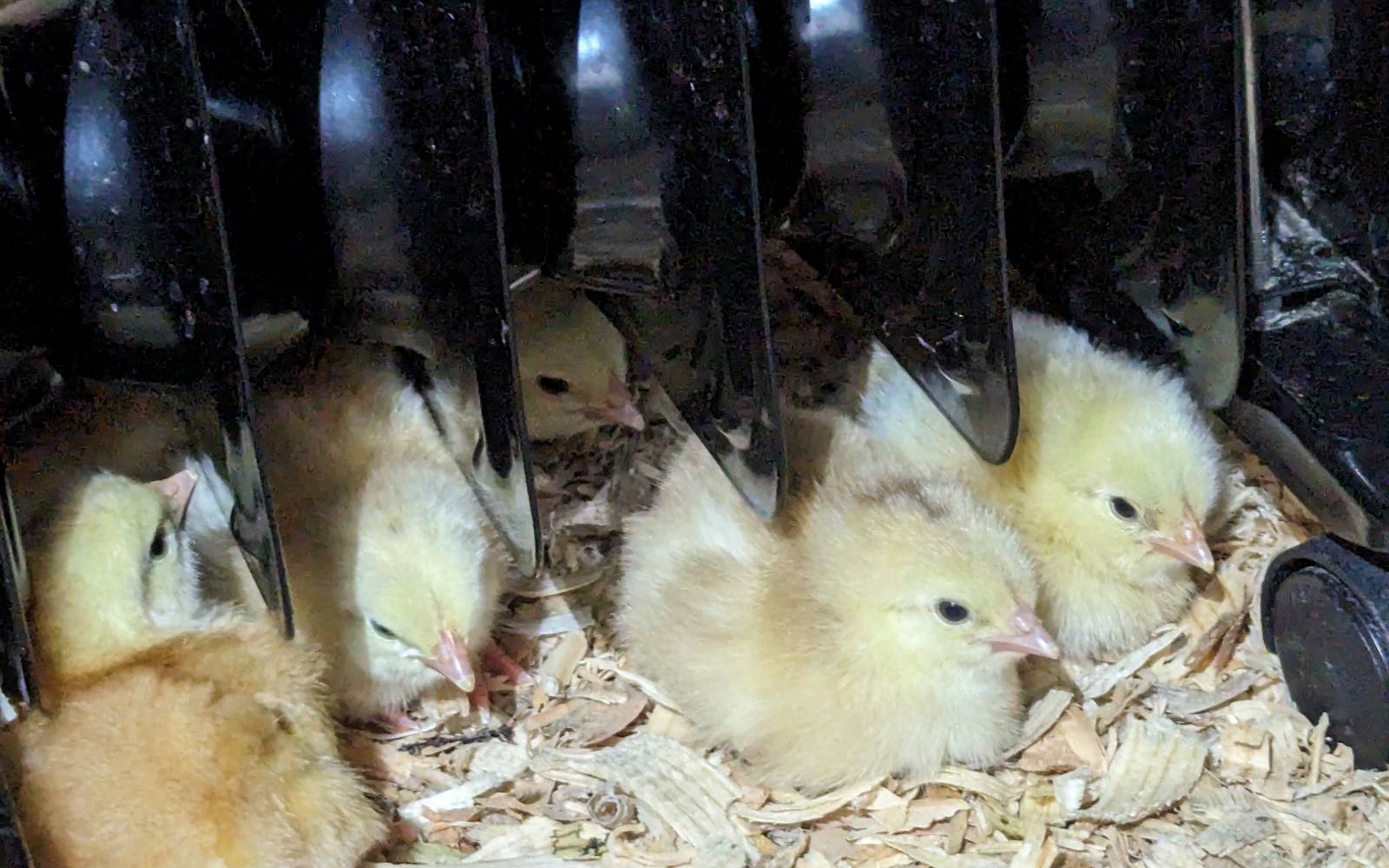
Enough light is not bright light
Hens need modest illumination for reproductive stimulation, not a glaring coop. Excessive intensity or duration can increase stress and pecking. I use a warm, low-output bulb positioned to distribute light without creating a harsh bright zone around nests or roosts.
I stand in every corner and look for shadows that hide equipment as well as glare that concentrates birds. The flock's behavior is part of the measurement: restlessness, piling, new pecking, or disrupted roosting means the setup needs review.
Electricity in a dusty coop needs respect
Dust, bedding, moisture, rodents, and curious birds make casual extension-cord arrangements unacceptable. Fixtures, wiring, and timers need to be rated and installed for the environment, protected from pecking and perching, and kept away from combustible material.
I do not use a heat lamp as a lighting shortcut. Heating and photoperiod are separate decisions, and heat lamps add significant fire and burn hazards. If safe permanent power is not available, I skip the lighting program.
Starting creates a winter obligation
Once the flock is responding to a stable photoperiod, repeated outages or abrupt schedule changes can create stress and production disruption. I keep a spare suitable bulb and know how I will maintain the timer during travel.
I monitor body condition, feed and water access, feathering, behavior, and egg quality rather than counting eggs alone. Supplemental light changes one input. It does not replace a dry ventilated coop, complete feed, unfrozen water, or the option to let a flock move through winter without production pressure.
References
Checked August 7, 2026 · How sources are chosen
Local predators, ordinances, climate, and individual birds may require a different choice. Health emergencies require a poultry-capable veterinarian.