Field note · August 22, 2026
Why I weigh hens before they look sick
A repeatable weight and body-condition record can reveal gradual change that feathers conceal and memory misses.
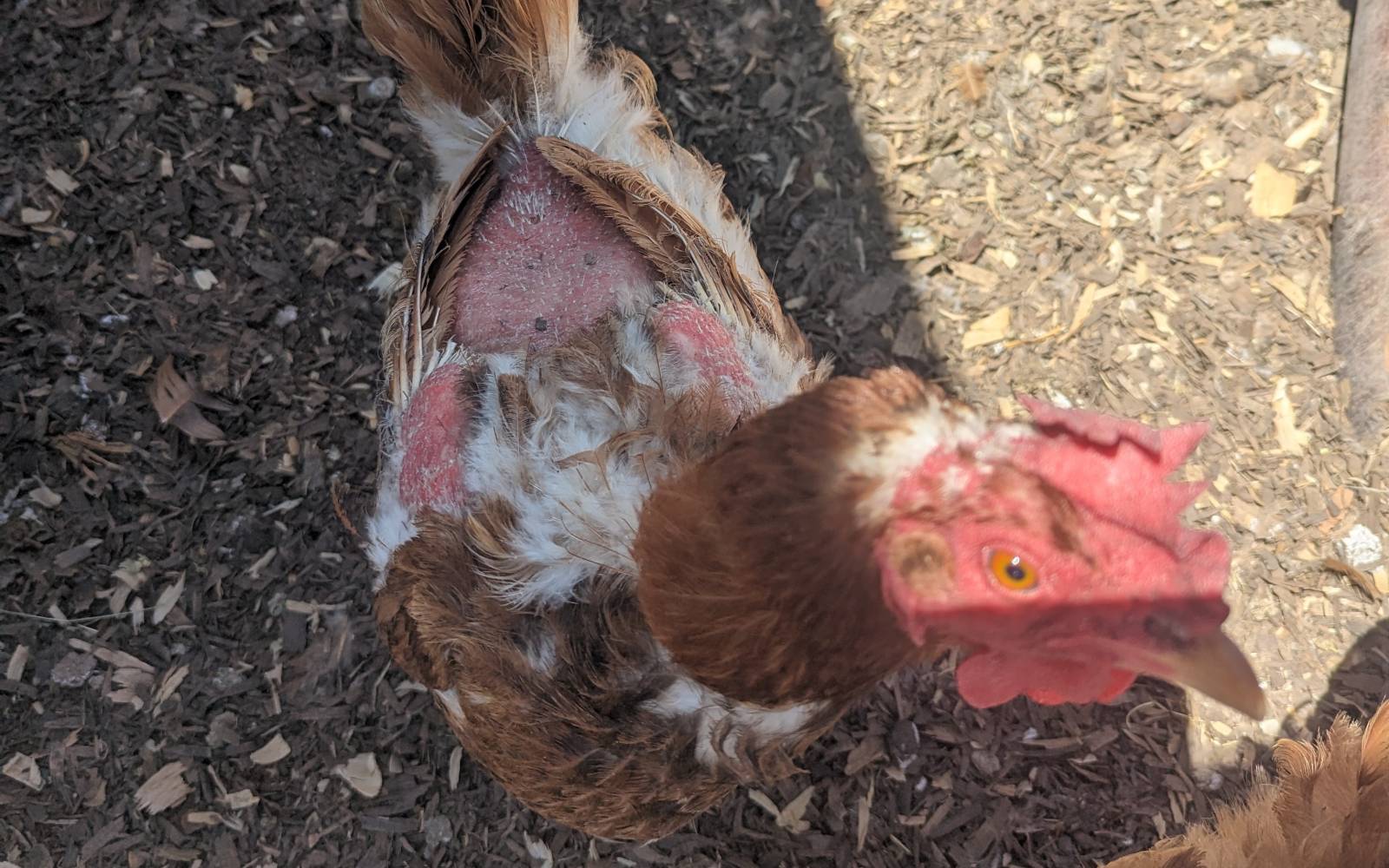
Use weight as a trend alongside appetite, behavior, breast muscle, and laying status. One number is context; a consistent direction is information.
Feathers hide the change I need to see
A hen can look round while losing breast muscle beneath her plumage. By the time a difference is obvious across the yard, the early comparison may be gone. A baseline weight gives me a number to place beside what I feel along the keel and what I observe at feed time.
Weight does not diagnose a disease. Breed, frame, gut contents, egg formation, hydration, molt, and the scale itself all affect the reading. Its value comes from a repeatable method and a history for the same bird.
I use the same weighing method each time
I use a digital scale that reads in grams, a stable container with ventilation, and the tare function. I weigh at roughly the same time of day, record the date immediately, and avoid chasing the bird around the yard before the measurement.
A towel-lined container can reduce slipping. I support the body and folded wings during transfer without squeezing the chest or holding the bird upside down. If handling creates marked respiratory distress, weakness, or injury risk, the examination stops and veterinary guidance takes priority.
- Identify the bird, not only the breed
- Use the same scale and container
- Weigh at a consistent time of day
- Record molt, laying, appetite, and recent changes
The keel adds meaning to the number
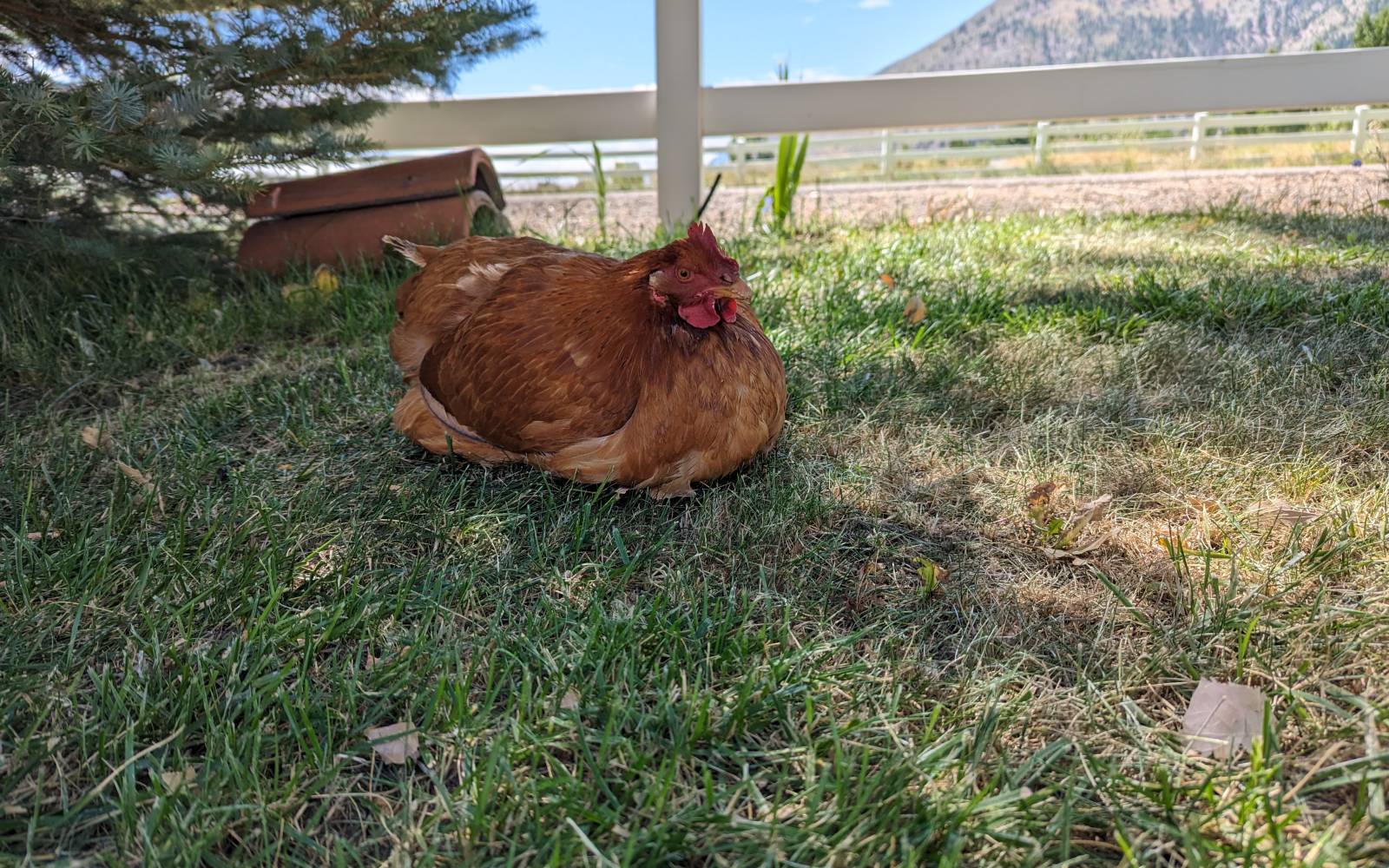
I feel the pectoral muscle on both sides of the keel. A prominent sharp keel with reduced muscle may indicate declining condition even when abdominal fat or feathers keep body weight from falling dramatically. Asymmetry, swelling, pain, or a new keel deviation deserves closer evaluation.
I also inspect the crop area, abdomen, feet, vent feathers, eyes, nostrils, and breathing effort. The scale belongs inside a systematic examination, not as a substitute for one.
Trend thresholds depend on the bird
I do not publish a universal percentage that declares every hen ill. Small birds have less absolute margin, active layers fluctuate, and rapid loss is more concerning than a similar change spread across a known seasonal transition. I repeat an unexpected reading to rule out setup error.
A confirmed downward trend paired with reduced appetite, isolation, diarrhea, breathing change, abdominal enlargement, poor balance, or reduced function prompts veterinary contact. Sudden weakness, severe respiratory effort, uncontrolled bleeding, neurologic signs, or inability to stand is urgent regardless of the scale.
Records give a veterinarian a timeline
A short table showing dates, weights, body-condition notes, laying changes, feed changes, and symptoms is easier to interpret than 'she has been off for a while.' Photos and brief videos can document posture or breathing before transport if taking them does not delay care.
The record can also expose flock-level management errors. If several birds change after a new feed bag, equipment failure, heat event, or introduction, the shared timeline matters. Measurement sharpens observation; it does not replace judgment.
References
Checked August 22, 2026 · How sources are chosen
Local predators, ordinances, climate, and individual birds may require a different choice. Health emergencies require a poultry-capable veterinarian.