Field note · August 28, 2026
When pecking-order trouble needs intervention
Normal social correction is brief. Repeated exclusion, wounds, and blocked access are management problems that need a response.
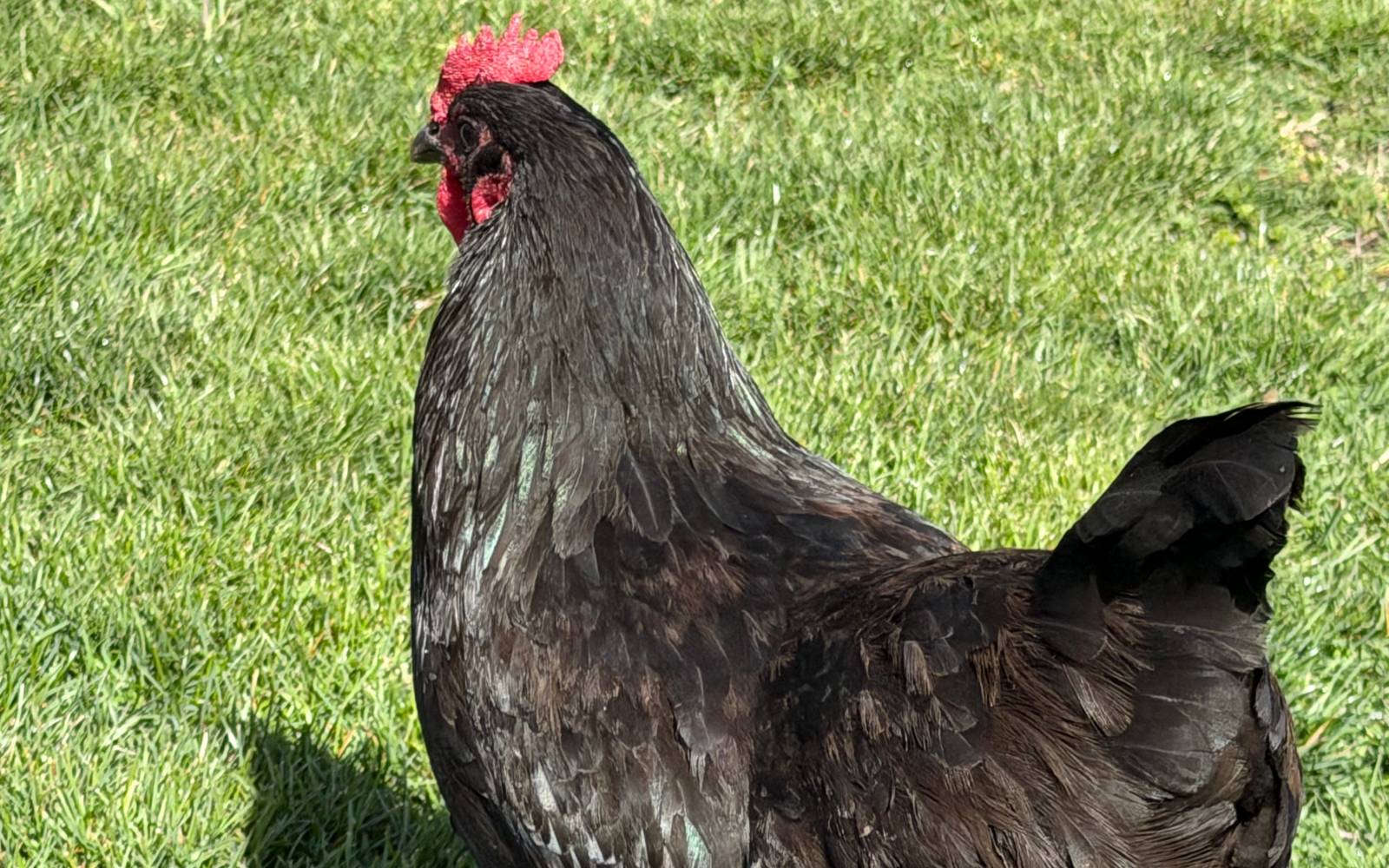
Allow brief social corrections, but intervene when one bird cannot disengage, reach resources, or remain uninjured. Fix the environment before blaming temperament alone.
I separate rank-setting from sustained harm
A peck, short chase, or displacement from a preferred perch can be ordinary flock communication. The lower-ranking bird yields, finds another place, and returns to normal activity. I watch the whole sequence instead of reacting to the first sharp movement.
The pattern changes when pursuit continues across the run, the same bird is pinned in a corner, or access to feed, water, nests, and roosts is repeatedly blocked. Feather pulling, vent attention, broken skin, weight loss, or a bird hiding for much of the day are not a harmless pecking order settling itself.
- Watch whether the targeted bird can disengage
- Check skin beneath parted feathers
- Confirm access at the busiest feeding time
- Observe the flock again at roosting time
Blood changes the urgency
Chickens may continue pecking a visible wound. I remove an injured bird promptly to a clean recovery space where she can eat, drink, and be assessed without further attack. Deep punctures, heavy bleeding, eye injury, exposed tissue, weakness, or uncertain wound depth warrant veterinary help.
I do not return a bird because the surface looks dry. I first determine whether flock mates show interest in the area and whether the bird can move normally. Separation also gives me time to find exposed wire, a sharp edge, or another cause that could injure the next hen.
Resource layout is often the first repair
One feeder with open floor around it lets a dominant bird control both the food and the approach. I add stations far enough apart that one hen cannot guard them simultaneously, then place visual barriers so a lower-ranking bird can leave without crossing open space.
I check usable area rather than advertised square footage. Dead ends, a single pop door, crowded roost corners, bright nest boxes, heat, and abrupt routine changes all increase pressure. Enrichment helps only after feed, water, space, temperature, and a balanced ration are right.
- Use at least two separated feed and water stations
- Open dead-end corners with a second exit
- Reduce harsh or unnecessarily long lighting
- Add low platforms or panels that break sightlines
Introductions need a slower middle stage
Quarantine and social introduction solve different problems. After a true quarantine, I let groups see one another through a secure barrier before sharing space. This reveals fixation and gives both groups time to learn the new presence without allowing injury.
For the first shared sessions, I use the largest neutral or rearranged area available and supervise. I do not rely on putting new birds on the roost after dark as the entire plan. Morning still arrives, and the flock still has to negotiate every resource.
I judge the fix by the vulnerable bird
A quieter yard is not enough if one hen has stopped trying. I look for the targeted bird eating a full meal, dust bathing, moving between zones, and choosing a roost without being repeatedly knocked down.
If management changes fail, separating a persistent aggressor can clarify the pattern. Ask a poultry veterinarian or extension specialist for help with recurrent severe aggression, cannibalism, or injuries. Rank remains part of flock life, but every bird must be able to eat, drink, rest, and move away.
References
- Penn State Extension: Poultry Cannibalism: Prevention and Treatment
- Penn State Extension: Behavioral Challenges in Cage-Free Housing Systems
Checked August 28, 2026 · How sources are chosen
Local predators, ordinances, climate, and individual birds may require a different choice. Health emergencies require a poultry-capable veterinarian.