Field note · July 19, 2026
The conditions I check before free ranging
Opening the gate is a daily risk decision shaped by visibility, cover, weather, flock condition, and supervision.
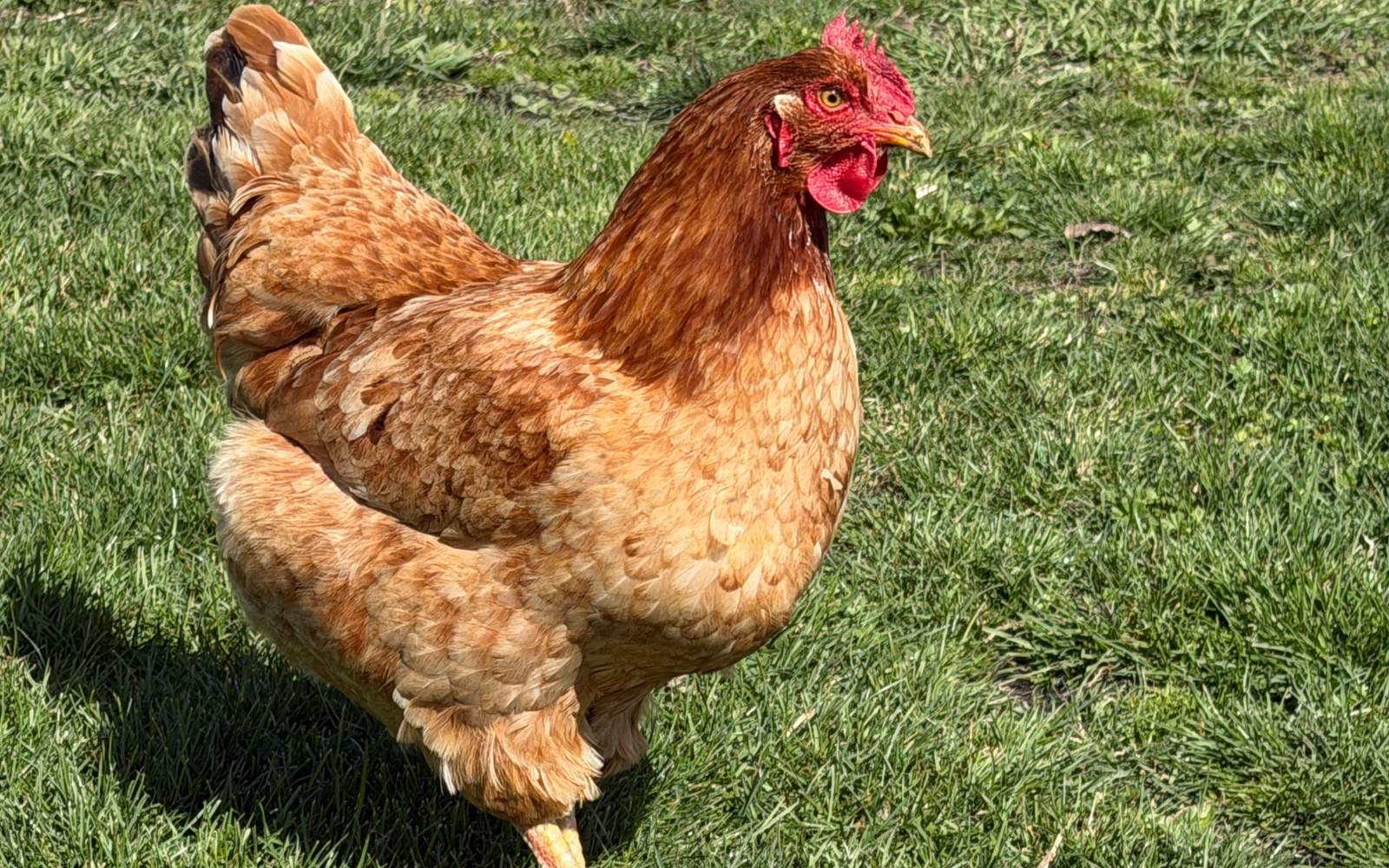
Free range when the day's pressure, cover, flock condition, and supervision make the risk acceptable. A secure run is not a failure on the days they do not.
I read the yard before the flock
Before opening the gate, I walk the area and look up. Fresh tracks, digging, scat, unusual bird silence, circling raptors, loose dogs, and new construction all change the decision. I also check wind and visibility. Strong gusts can make alarms harder to hear and push birds into unfamiliar corners.
The absence of a predator in view is not proof of safety. I am looking for pressure and for anything that has changed since the last range period. A camera can add information overnight, but the physical walk catches open gates, fallen branches, and cover that disappeared in weather.
Cover must form a route, not an island
One shrub in a wide lawn gives a chicken a destination, not a safe route. I prefer overlapping areas of cover: a low panel near the run, vegetation, a trailer, roofed stations, and access back to the coop. The bird should be able to move between them without crossing the entire open yard.
I inspect cover from above as well as from chicken height. A roof can block a dive while leaving a hen trapped against a wall if a ground predator enters. Every refuge needs more than one way out.
- Break long sightlines
- Keep two exits from each low shelter
- Remove snags that catch a fleeing bird
- Maintain a clear route back to the secure run
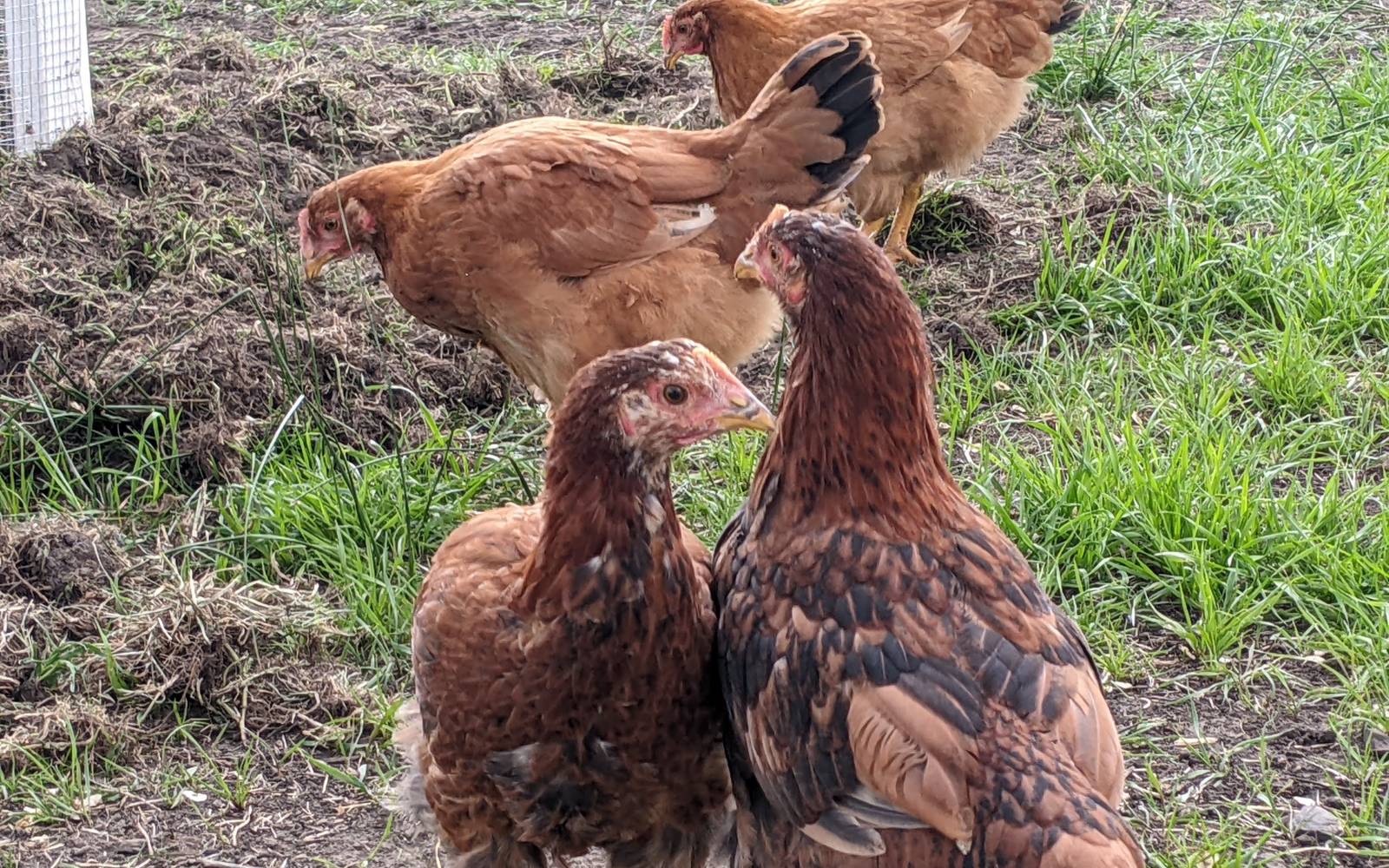
The flock has to be ready that day
Newly introduced birds, molting hens, chicks, injured birds, and a flock unsettled by a recent scare receive less freedom. A hen focused on a hidden nest or a young bird that does not follow the alarm may stay in the run even when the rest go out.
I count birds before release and know where each one usually travels. That makes the closing count faster and turns an absence into a specific search rather than a vague feeling that the yard looks empty.
Supervision has to mean something
Being somewhere on the property is not the same as watching the flock. During higher-risk periods I stay where I can see the main range, hear alarms, and reach the birds quickly. Headphones, power tools, and indoor chores reduce that supervision even if I am technically home.
I choose a closing time before release. Waiting until dusk can leave birds spread out as visibility falls and predators become active. A familiar feed cue and the same return routine make early closure easier when conditions change.
Some days the gate stays closed
Raptor pressure, a loose dog, smoke, severe heat, high wind, poor visibility, or my inability to supervise can each be enough reason. I do not owe the flock a symbolic amount of free range when the conditions are wrong.
A well-designed run with shade, dry footing, perches, dust bathing, and room to move makes that decision easier. The secure run is the core housing system. Free range is an optional layer added when the day supports it.
Free ranging is not one thing
People talk about free ranging as if it means the same setup everywhere. It does not. A fenced acre with cover, dogs, and a person home during the day is different from letting birds wander near a road, open pasture, or brushy predator corridor. The words sound simple. The risk is local.
I like giving birds room to range, and I know that every extra foot is more ground to monitor. Judge the choice by this yard: cover, local predators, traffic, flock behavior, and the security of the enclosed run.
What I like about it
When it works, free ranging gives chickens exercise, forage, dust, sun, shade choices, and more normal flock movement. They scratch through leaves, break down kitchen scraps faster, spread manure, and find little bits of feed no person would bother placing for them. The eggs may not magically become perfect, but the birds often look busier and more settled.
I also like what it teaches me. A flock spread out on the property shows you who ranges far, who stays near cover, who follows the rooster, who gets lost, and who is too bold for her own good. Those details help with management.
What I do not like about it
Predators are the obvious problem, but they are not the only one. Free ranging also means hidden nests, scratched mulch, droppings where you do not want them, garden damage, birds on porches, and the occasional hen that thinks the road shoulder looks interesting.
The frustrating part is that free ranging can work perfectly until the day it does not. A hawk that ignored the yard all spring may show up in fall. A neighbor dog may get loose once. A fox may find the routine. That does not mean free ranging is impossible. It means the system needs margins.
How I decide when to let them out
I am more comfortable free ranging when I am home, visibility is good, the birds have cover, and they return to the coop reliably. I am less comfortable during heavy predator pressure, deep snow, high wind, new pullet introductions, or when I know I will not be around to notice trouble.
Time of day matters. Late afternoon ranging can work well because birds are already thinking about the coop. All-day ranging gives more freedom but also more hours for something to go wrong. I would rather start with short windows and expand than throw the doors open and hope the flock teaches itself.
Cover is what makes range useful
Open ground is not the same as good range. Chickens need shrubs, panels, trees, equipment, or other cover close enough that they can duck under it when the sky changes. A bare lawn may look pleasant to us, but to a chicken it can be a dining room with no roof.
I watch how far the flock moves from cover. Birds huddled beside the coop may not trust the open yard; birds ranging beyond hearing or ignoring alarm calls have gone too far. Good ranging gives them forage and movement without putting them beyond cover or recall.
References
Checked July 19, 2026 · How sources are chosen
Local predators, ordinances, climate, and individual birds may require a different choice. Health emergencies require a poultry-capable veterinarian.