Field note · August 16, 2026
What I do in the first hour after a predator attack
The first job is stabilizing birds and securing the scene; the second is learning exactly how the housing failed.
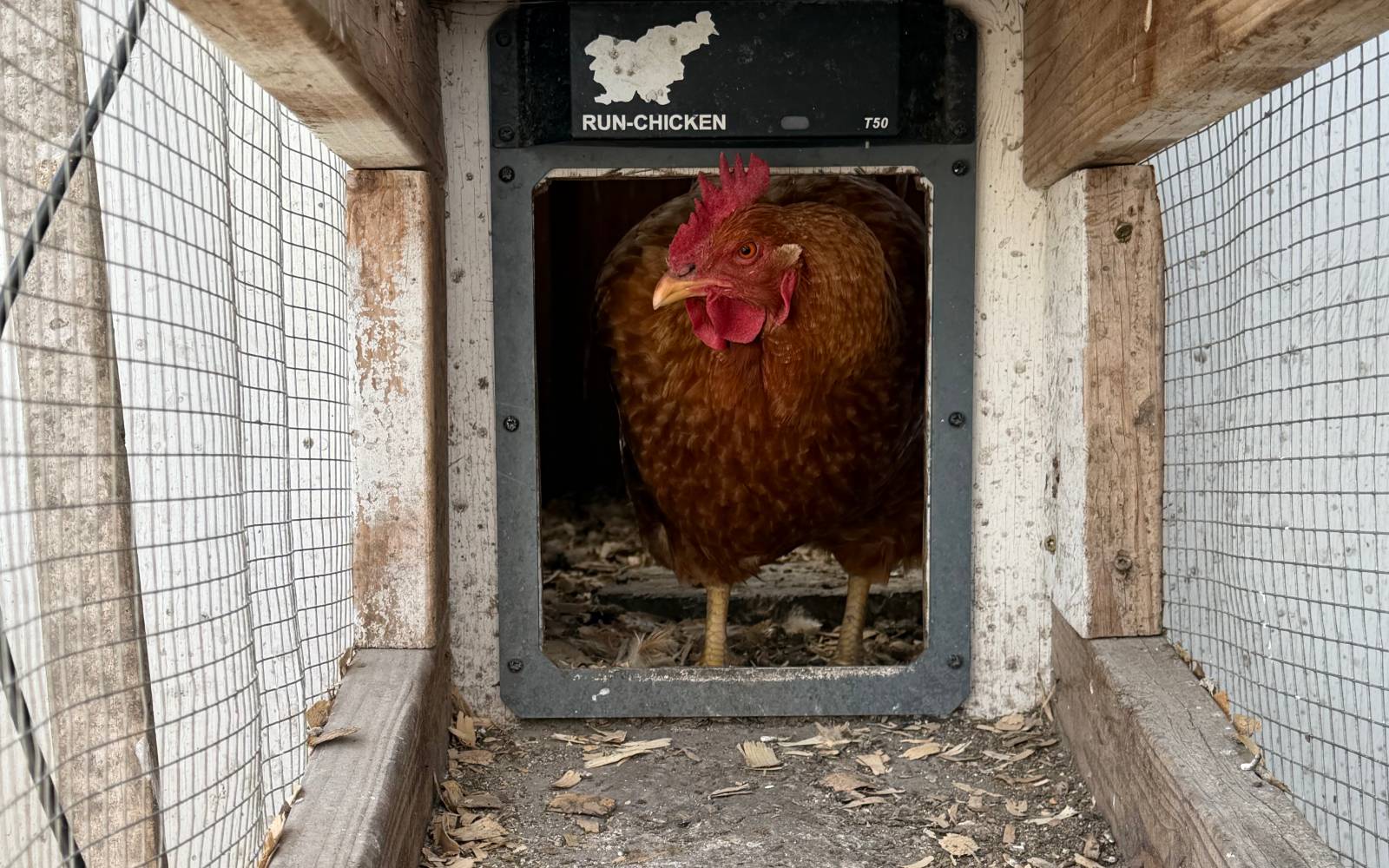
Count and contain first, triage injuries second, then preserve enough evidence to repair the actual entry route before birds return.
I stop the scene from expanding
I secure dogs and people, close surviving birds into the safest available enclosure, and count every bird by name or description. A frightened hen may stay silent under cover, so I search methodically rather than assuming every absence is a loss.
I do not pursue wildlife into a dangerous space or handle a predator. Local wildlife authorities or animal control are the right contacts when an animal is trapped, injured, acting abnormally, or poses a continuing public-safety risk.
- Close the flock into a verified secure space
- Count birds and mark each as safe, missing, injured, or dead
- Keep children and pets away from the scene
- Use gloves around blood, saliva, carcasses, and droppings
Triage begins before wound cleaning
I observe breathing, posture, alertness, bleeding, and ability to stand. Direct pressure with clean material can help control active bleeding while veterinary help is arranged. Extreme breathing difficulty, open fractures, severe weakness, head trauma, neurologic signs, deep punctures, or uncontrolled bleeding are urgent.
Small skin openings can hide crushing or puncture damage beneath feathers. Predator mouths and claws contaminate tissue, and shock may not be obvious immediately. I contact a poultry-capable veterinarian rather than assuming a walking bird has only a superficial wound.
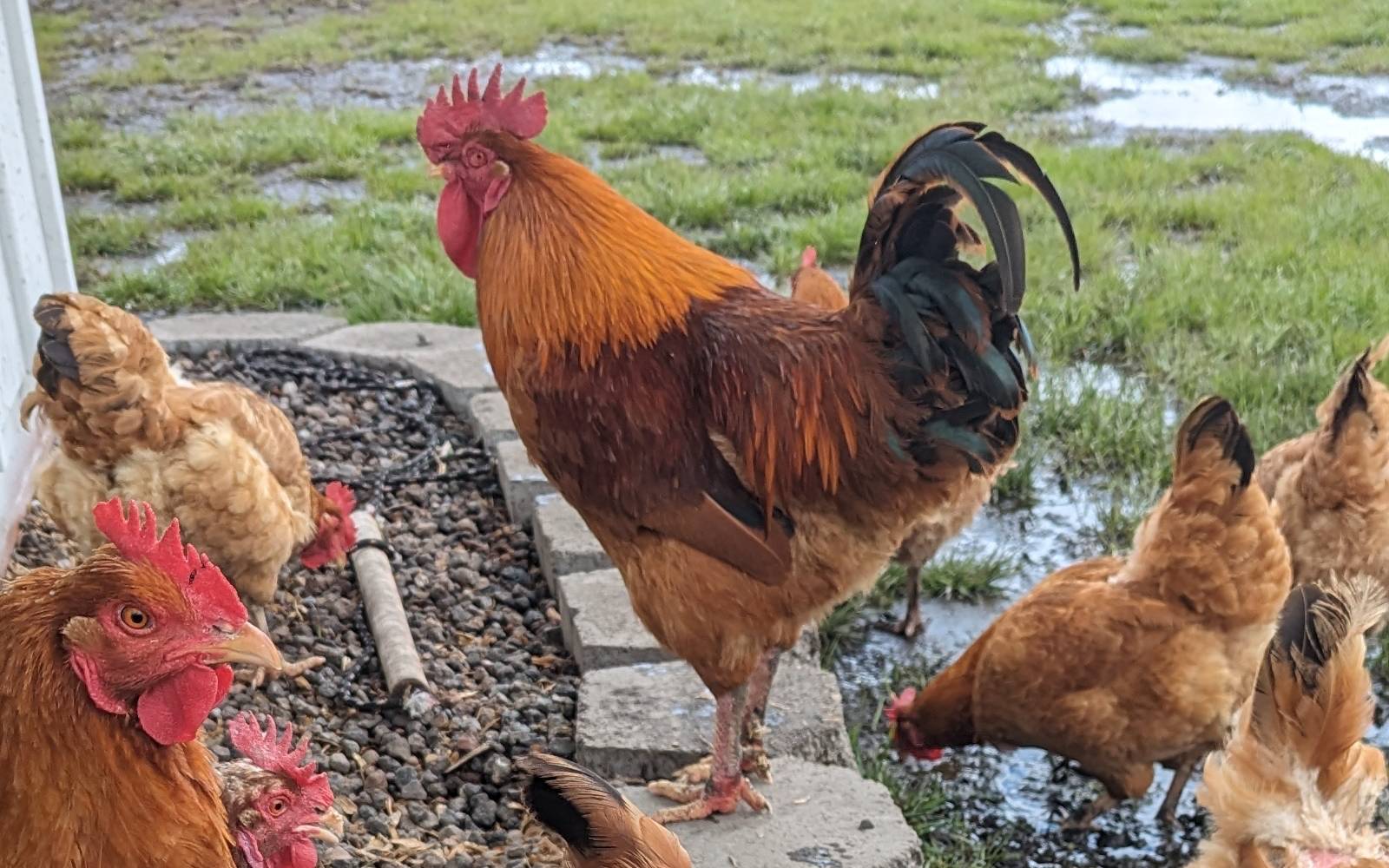
The recovery crate prevents a second injury
An injured bird rests in a clean, dim, quiet, temperature-appropriate enclosure away from flock pecking. Water is easy to reach without climbing. I record the time, likely predator, wounds seen, breathing, droppings, and anything given.
I avoid pouring harsh products into deep wounds or using leftover antibiotics. Food-animal withdrawal rules, wound depth, and the bird's condition affect treatment. Veterinary direction is especially important when the bird may return to egg production.
The scene explains the repair
Before cleaning everything, I photograph tracks, feathers, digging, bent mesh, latch position, roof gaps, and the path birds used while escaping. The species may be uncertain, but the physical failure is often visible: a lifted apron, enlarged opening, weak staple, simple latch, or uncovered top.
I inspect the entire perimeter because the obvious damage may be where the predator exited rather than entered. Temporary confinement continues until the repair survives pulling, pushing, lifting, and digging checks from both sides.
The flock may behave differently afterward
Survivors may hesitate at the pop door, crowd a corner, change roost positions, or reduce laying after a frightening event. I keep routines calm, provide multiple resource stations, and watch for birds that remain withdrawn or stop eating.
I also change the management layer that failed: earlier lockup, covered range, two-step latches, stronger fasteners, an apron, or supervised turnout. Removing one predator does not make the original weakness safe. The repair has to stand on its own.
References
- Penn State Extension: Wounds in Poultry
- Merck Veterinary Manual: Physical Examination of Backyard Poultry
Checked August 16, 2026 · How sources are chosen
Local predators, ordinances, climate, and individual birds may require a different choice. Health emergencies require a poultry-capable veterinarian.