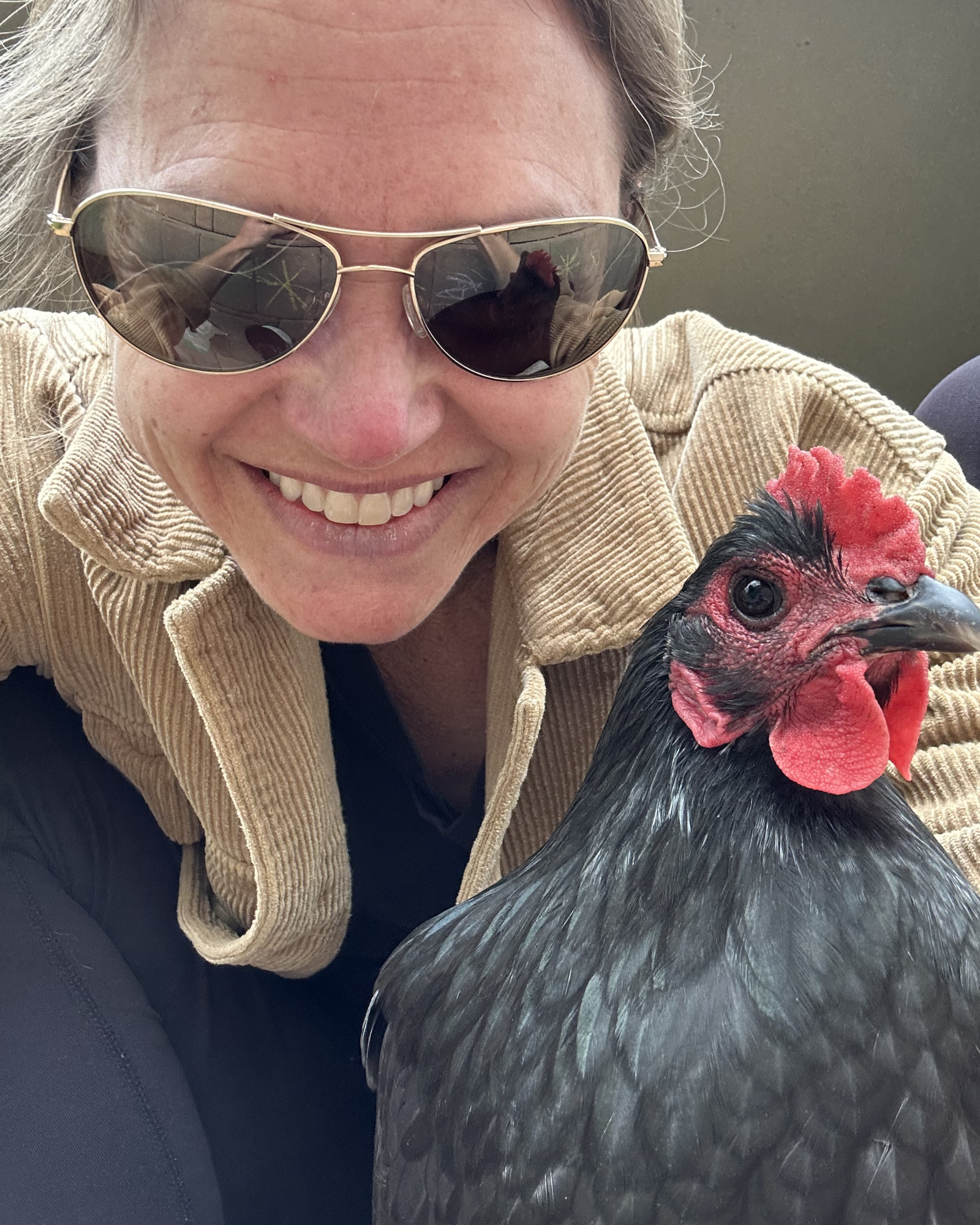
My flock and yard
I began with four hens and built a larger mixed flock over time. The birds live in a roomy run with supervised free-range access. I keep chickens primarily for eggs, raise chicks when I have a sound plan for them, and keep a rooster only when his temperament makes the flock safer and calmer.
I do not remove an older hen because production slows. I watch mobility, appetite, body condition, flock position, and quality of life. Some experienced hens remain useful teachers long after their best laying seasons are behind them.
What experience changed for me
Decorative equipment has never fixed a wet coop or a bad latch. I want housing that cleans without a struggle, lets a timid bird reach feed, and closes securely on a windy night. Advice should pass the same test: can I use it at the feeder, nest box, roost, or run?
I favor mixed flocks, proven breeds, more space than the minimum, duplicate feed and water stations, and routines I can repeat every day. I keep records when memory will not do: egg counts, weight changes, molt, weather, introductions, and anything unusual about an individual bird.
How I separate observation from evidence
The field notes are written from my own flock and explain the choices I make. A choice that works in northern Nevada may need to change in a wet climate, a smaller yard, or a flock with different breeds and predator pressure.
Measurements and health, nutrition, biosecurity, and food-safety claims are checked against veterinary manuals, government agriculture guidance, and university extension publications. I am a chicken keeper and writer, not a veterinarian. When a bird needs diagnosis or treatment, the useful next step is professional care, not a confident guess online.
Ownership and contact
CoopSage is owned and operated by Kerr Media LLC. Questions, corrections, and rights inquiries can be sent to CoopSage33@gmail.com.
Start with the morning flock check
Movement, breathing, appetite, posture, and flock position reveal more when you know what normal looks like for each bird.
Use the health-check guide