Field note · August 25, 2026
A broody hen is a management decision, not a free incubator
Before allowing a hatch, I assess the hen, the eggs, the nesting site, and the permanent homes needed after chicks arrive.
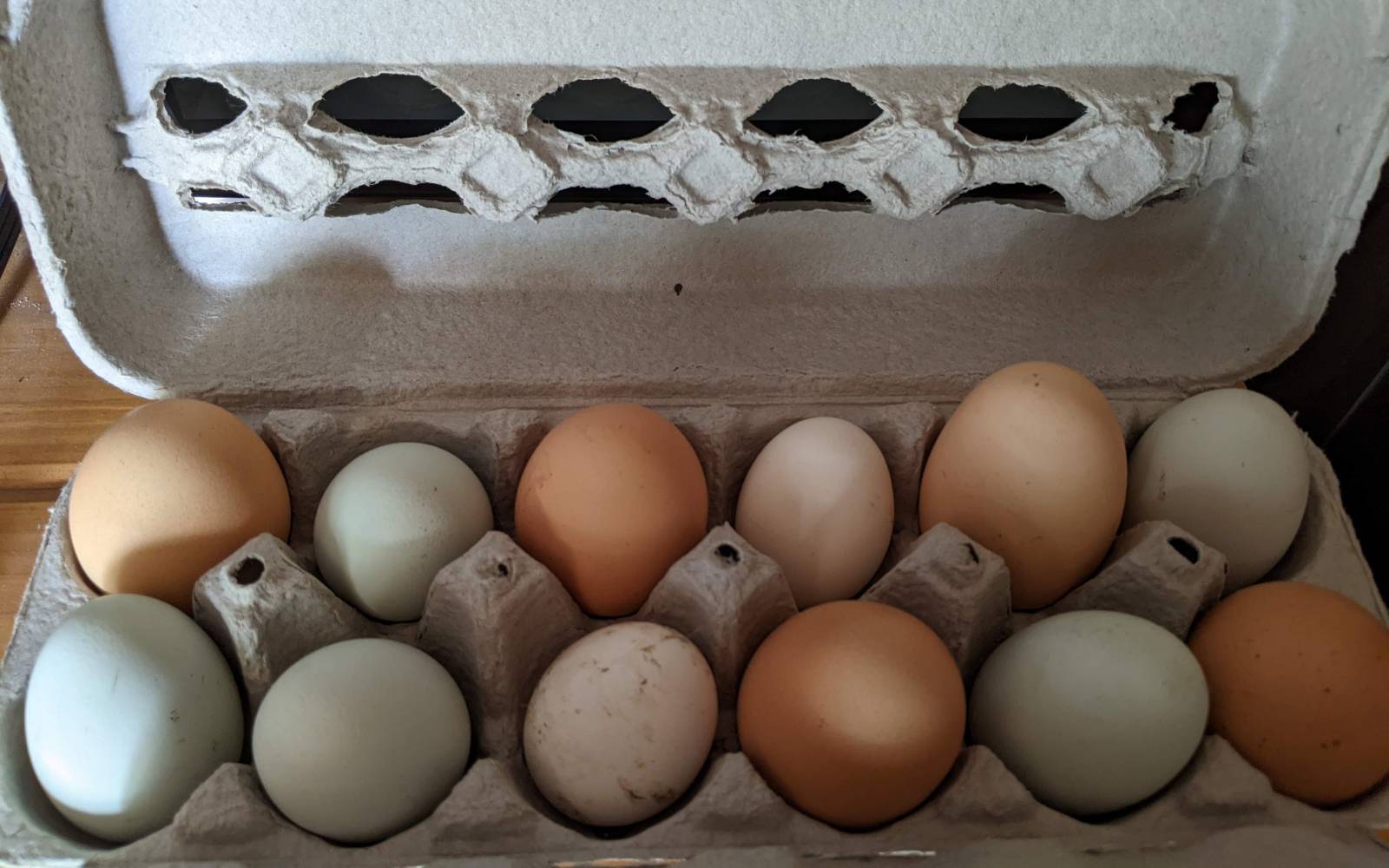
Let a hen brood only when she is healthy, the eggs and nest can be managed safely, and every resulting bird has a realistic long-term place.
First I confirm the pattern
A hen lingering after laying is not necessarily broody. A committed bird returns to the nest, flattens over eggs, protests removal, and may stay through periods when the flock is active. I mark the calendar and check whether the behavior persists before reorganizing the coop.
Broodiness stops egg production and changes eating and drinking patterns. I handle the hen calmly, check body condition, feet, feathers, and external parasites, and make sure illness is not being mistaken for nest devotion. A puffed, withdrawn bird outside the nest needs a health assessment, not hatching eggs.
The arithmetic comes before the clutch
Fertile eggs can produce males as well as females, and hatch rates are never guaranteed. Before setting eggs, I decide how many chicks the space can support and what happens to every cockerel. A vague plan to rehome them later transfers the hard decision to a crowded future.
I also check ordinances, household limits, feed cost, quarantine capacity, and whether I can brood chicks myself if the hen abandons them. Natural incubation reduces equipment use; it does not remove responsibility for backup heat, chick-safe water, starter feed, or emergency housing.
- Confirm fertile eggs come from a known flock
- Set a maximum clutch the hen can fully cover
- Prepare a brooder before the expected hatch
- Make a written plan for male offspring
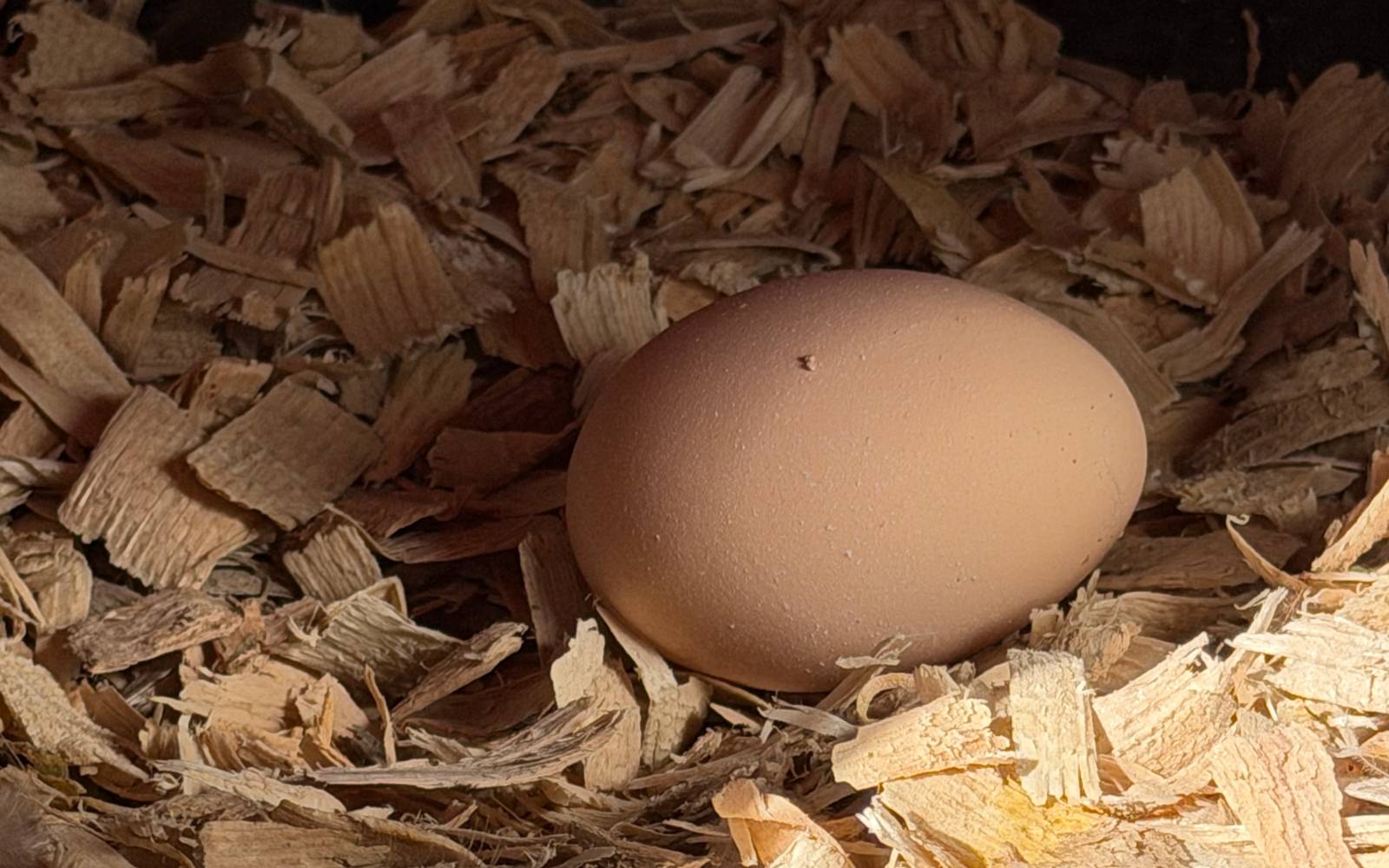
A safe nest has different requirements
A favorite raised nest box may be dangerous for newly hatched chicks. They can fall, become separated from the hen, or encounter adult birds in a narrow landing area. I use a dry, protected ground-level brooding space with ventilation, room for the hen to turn, and no gaps that trap a chick.
Moving a broody hen can break broodiness or cause her to return to the old site. If a move is necessary, I prepare the new nest first, move her quietly after dark, and watch the next day rather than assuming the transfer worked. I avoid repeatedly adding fresh eggs, which creates staggered development and leaves late eggs behind when the hen follows the first chicks.
Daily care stays quiet but specific
I verify that the hen leaves long enough to eat, drink, and pass droppings. Feed and water stay nearby but not where they can spill into the nest. I remove broken or leaking eggs promptly and keep disturbance low without allowing the nest to become wet or fouled.
Candling can identify infertile or stopped eggs when performed correctly, but unnecessary handling adds breakage and contamination risk. I use clean hands, brief sessions, and a clear purpose. Bad odor, leaking contents, or a damaged egg requires immediate attention.
Breaking broodiness can be the kinder plan
If no hatch is planned, I collect eggs frequently and restrict access to the chosen nest after other hens finish laying. A secure, well-ventilated pen without nesting material may help interrupt the hormonal cycle while preserving food, water, shade, and normal posture.
I monitor weight and behavior during the process. Prolonged sitting without a viable clutch has costs, especially in heat or when parasites are present. The decision is not whether broodiness is natural; it is whether this particular attempt has a safe, prepared outcome.
References
- Penn State Extension: What Do I Do with All These Eggs?
- Penn State Extension: Brooding of Domestic Fowl
Checked August 25, 2026 · How sources are chosen
Local predators, ordinances, climate, and individual birds may require a different choice. Health emergencies require a poultry-capable veterinarian.