Field note · August 11, 2026
Why I keep a closed flock
Every new bird can add genetics and personality, but it also resets disease risk, quarantine work, and social stability.
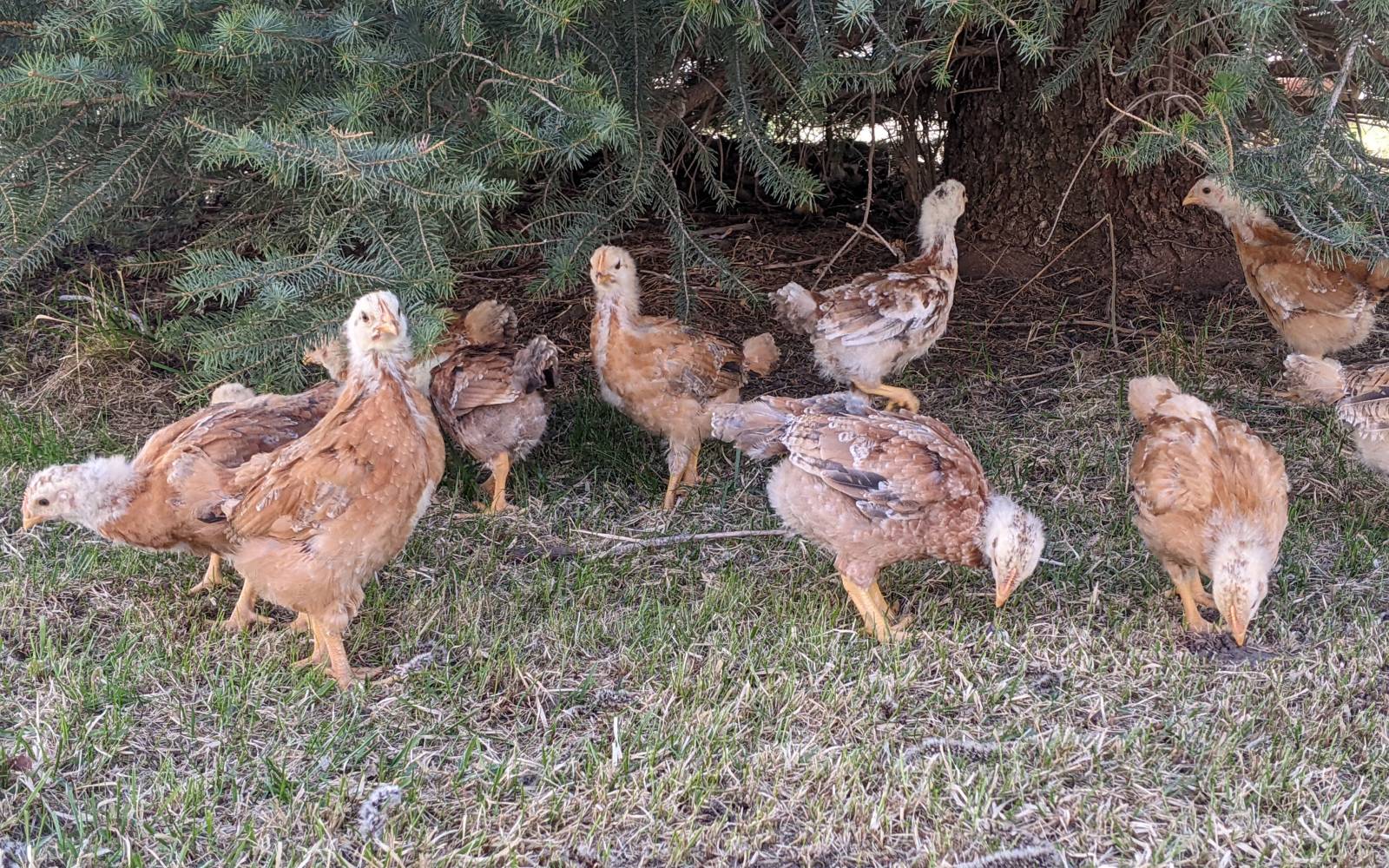
Add birds only when the benefit justifies a separate quarantine area, a controlled introduction, and the possibility that the groups may never integrate cleanly.
A closed flock is a risk decision
A closed flock does not mean no disease is possible. Wild birds, rodents, insects, footwear, equipment, and visitors still create pathways. It means I remove one major, avoidable pathway: routinely bringing live birds from other flocks onto the property.
The benefit is cumulative. Fewer introductions mean fewer quarantine periods, fewer social resets, and fewer uncertain health histories. I can still choose to add birds, but the default is no rather than an annual habit.
The purchase story is not a health test
A clean-looking coop, friendly seller, or bird without visible symptoms cannot rule out infection or parasites. I ask about source, age, vaccination, testing, recent illness, mortality, medications, and contact with shows, swaps, auctions, or other flocks.
When possible, I use NPIP-participating sources for chicks or hatching eggs and understand what the seller's participation covers. No purchasing credential replaces observation, separation, and local veterinary advice.
- Ask for written source and health information
- Transport in equipment that can be cleaned
- Do not visit the resident flock in the same footwear
- Set the quarantine start date in writing
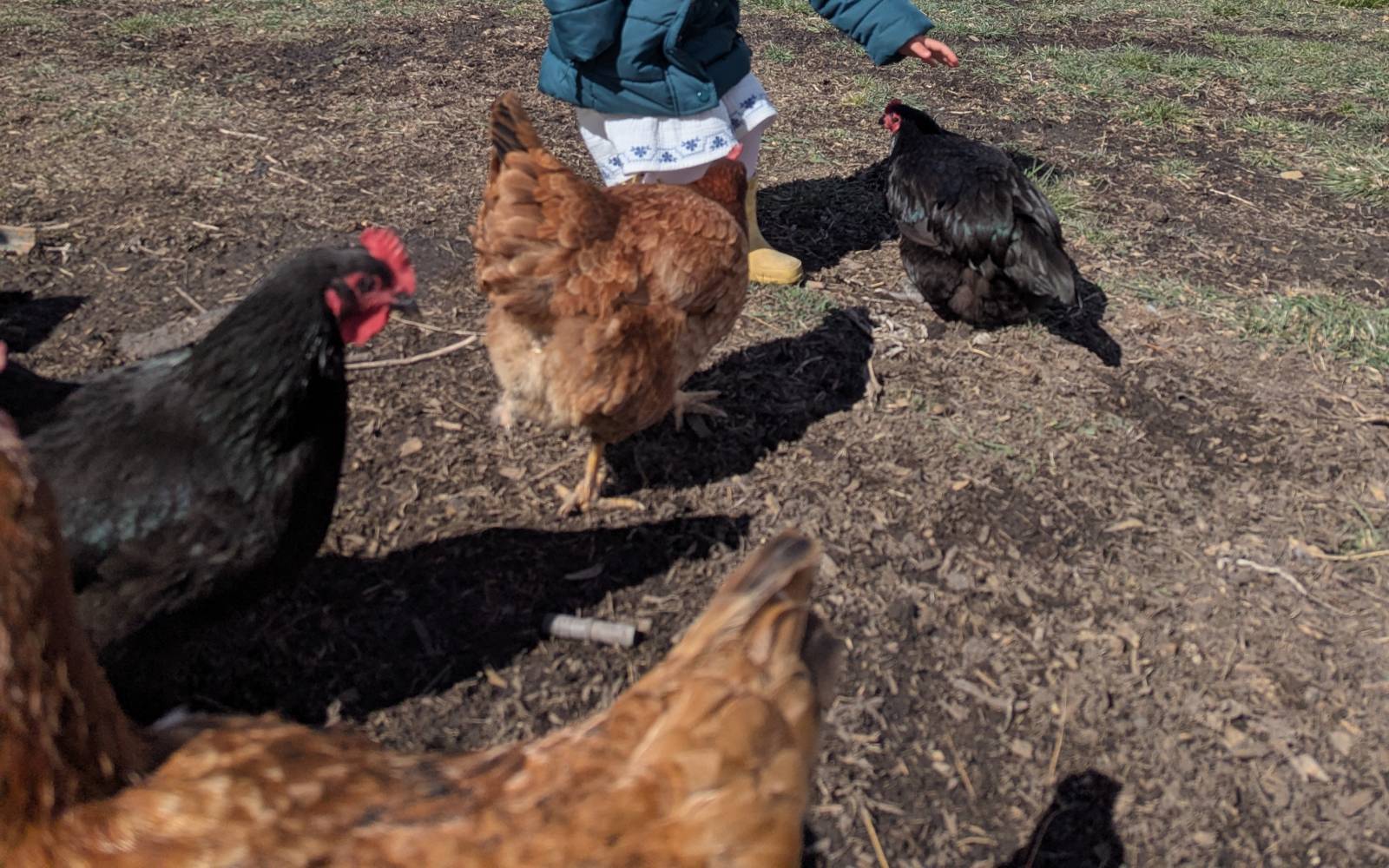
Quarantine needs separate airspace and equipment
A dog crate inside the resident coop separates bodies but not air, dust, tools, hands, or droppings. I use a separate area with dedicated feed, water, footwear, cleaning equipment, and a chore order that moves from resident birds to newcomers.
USDA guidance emphasizes isolation, traffic control, and sanitation. Cleaning comes before disinfection because manure and soil interfere with many disinfectants. If a newcomer becomes ill, another bird joins, or separation is breached, I discuss the timeline with a poultry veterinarian rather than treating the calendar as automatic clearance.
Social integration is another decision
Finishing quarantine does not guarantee compatibility. I use a see-through barrier, duplicate resources, and supervised shared time. I plan a permanent alternative before beginning because some size, age, temperament, or housing combinations remain unsafe.
I watch the established birds too. Introductions can reduce feed access, restart damaging pecking, and disrupt roosting. The cost of a new bird is measured across the whole flock.
Sometimes replacement should wait
A flock does not need to stay at its maximum legal or housing capacity. When numbers decline, the remaining hens often gain space and social stability. I can wait until several replacements are justified and complete one careful introduction instead of adding single birds repeatedly.
The closed-flock standard also changes my own travel habits. After visiting another poultry property, show, feed-store chick area, or auction, I clean footwear and equipment before entering my flock zone. Biosecurity is a routine, not a claim about where the risky birds live.
References
Checked August 11, 2026 · How sources are chosen
Local predators, ordinances, climate, and individual birds may require a different choice. Health emergencies require a poultry-capable veterinarian.