The egg count is not the whole bird
A hen usually lays her best in the first year or two after she starts. After that, the calendar gets less neat. She may take a longer winter break, molt harder, lay larger eggs with shells that need more calcium, or go from five eggs a week to two. That does not automatically make her useless, but it does mean I have to stop pretending she is a pullet.
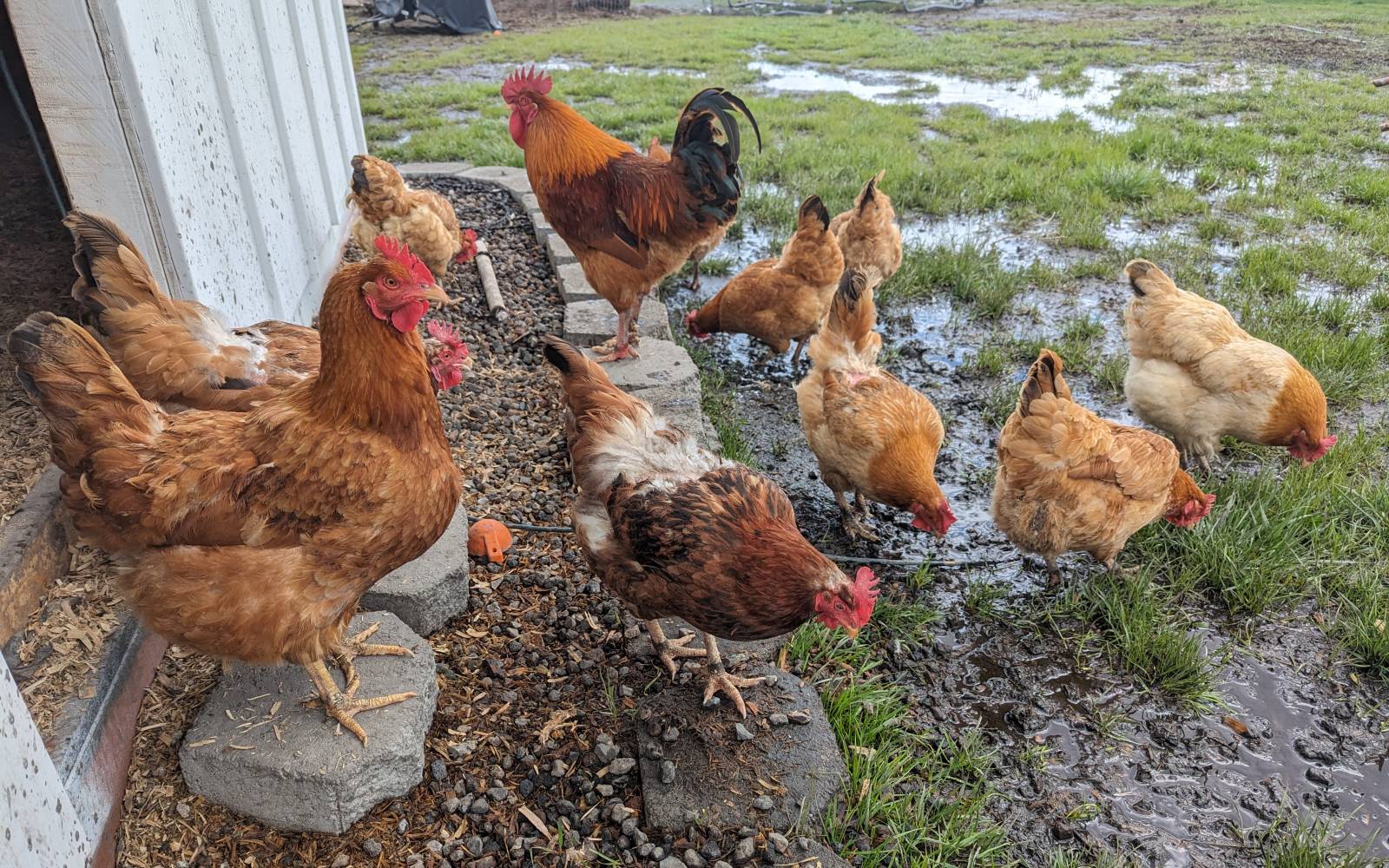
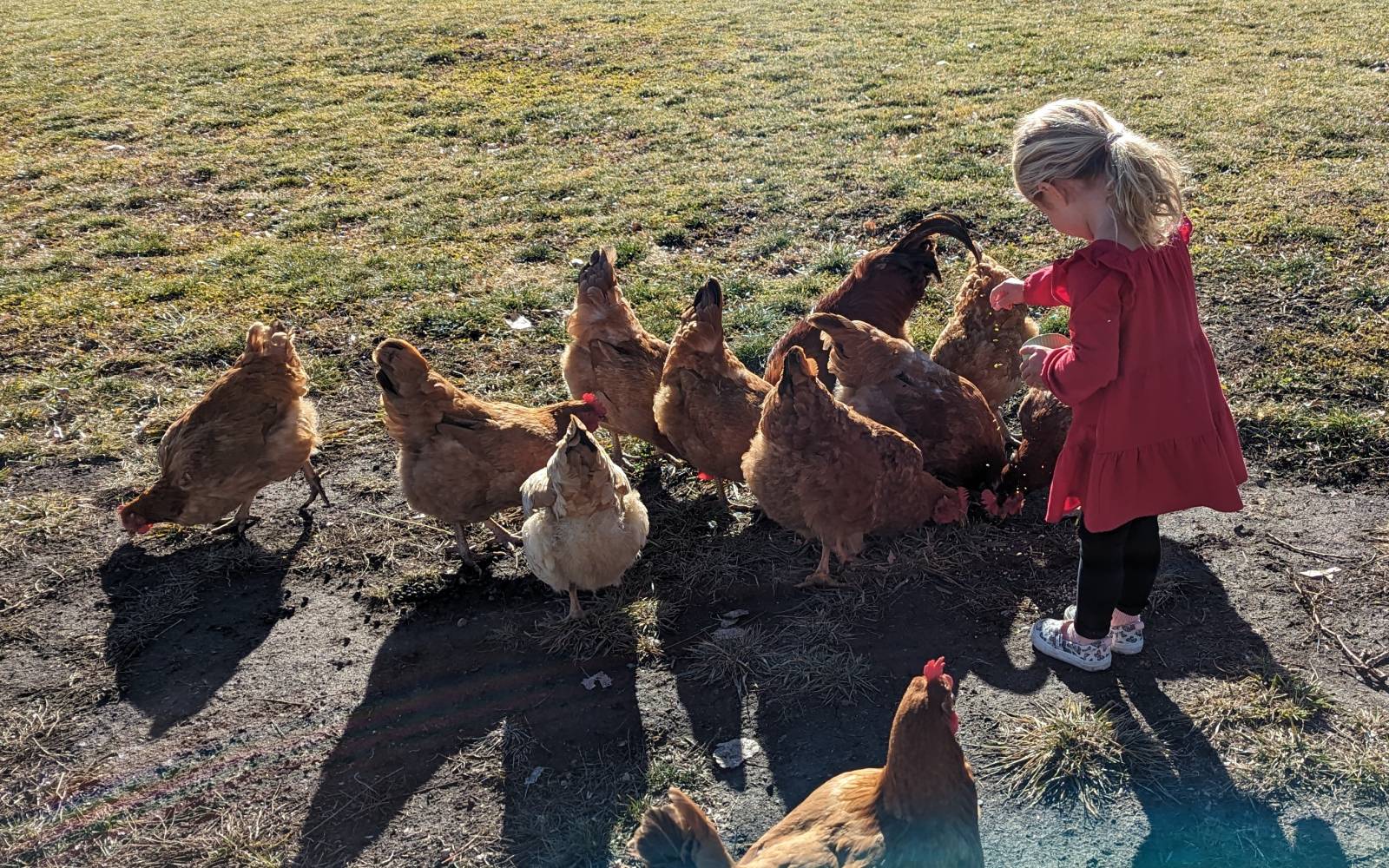
When I decide whether an older hen stays, I do not start with a sentimental speech and I do not start with a calculator either. I look at what she is doing in the yard. Is she healthy? Can she get to feed and water? Does she still move with the flock? Does she teach the younger birds where the safe corners are, where the dust bath is, and when to head in before dark? Those things matter in a small flock because flock behavior is not imaginary. It shows up every morning when the gate opens.
What older hens still contribute
A good old hen can settle a flock in ways a young bird cannot. She has seen the feed bucket, the dog, the wind, the hawk shadow, the lawn mower, the snow shovel, and the weird tarp that flaps in the corner. She may not lay like she once did, but she often knows the routine better than any bird in the yard.
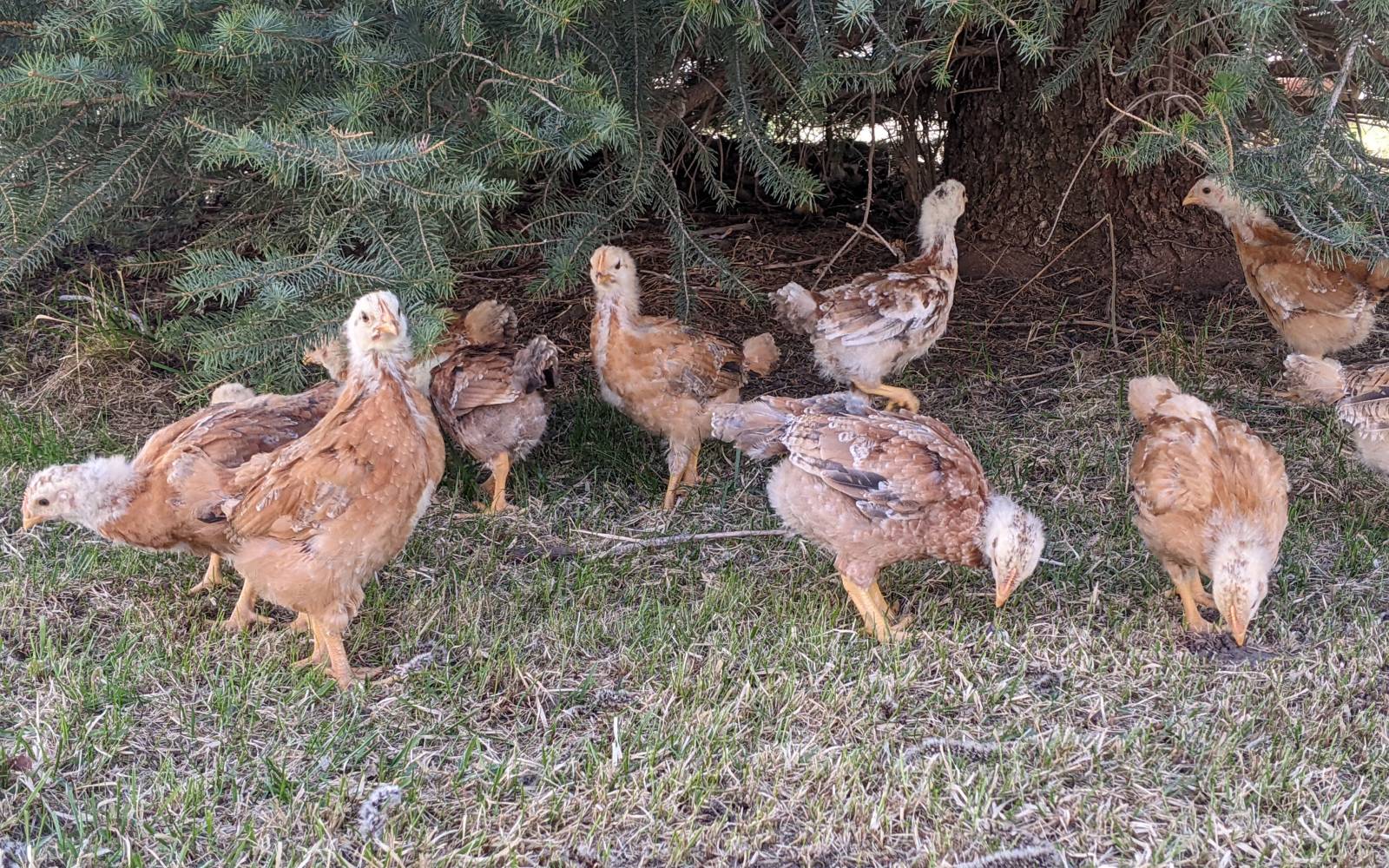
I notice this most when I add pullets. The young birds are nervous and dramatic about everything. They run when they should walk, pile up in the wrong place, and act like the coop door is a puzzle. A steady older hen does not train them like a person trains a dog, but she gives them a pattern to copy. That has value if you are trying to run a flock instead of constantly fixing little flock problems.
The hens I am willing to carry
I am willing to carry a hen that has a history of good production, good health, and good manners. If she laid well for several seasons, handled heat and cold without drama, returned to the coop every night, and did not spend her younger years bullying half the flock, I give her more grace when she slows down. She earned that.
I am not as patient with a bird that was always a problem. If she hid eggs, picked on weaker birds, went broody every few weeks when I did not want chicks, broke shells, or never really produced, age does not turn her into a treasure. Sometimes an older bird gives you a clear record to judge. The hard part is being honest about that record.
How I check quality of life
The bird still has to live like a chicken. I want to see her scratch, eat with purpose, drink normally, dust bathe, hold her body up, get on and off the roost, and keep some place in the pecking order. She does not have to be fast. She does not have to be beautiful. She does need to act like she is participating in the day.
The warning signs are more important than the egg count. A hen that stays puffed in a corner, loses breast muscle, keeps a dirty vent, walks like every step hurts, breathes hard, gets pinned away from feed, or cannot get to the roost is not just retired. Something is wrong. I will separate a bird for observation and feed if I think she has a chance, but I do not like pretending a suffering hen is enjoying retirement just because I am avoiding a decision.
Small changes that help old birds
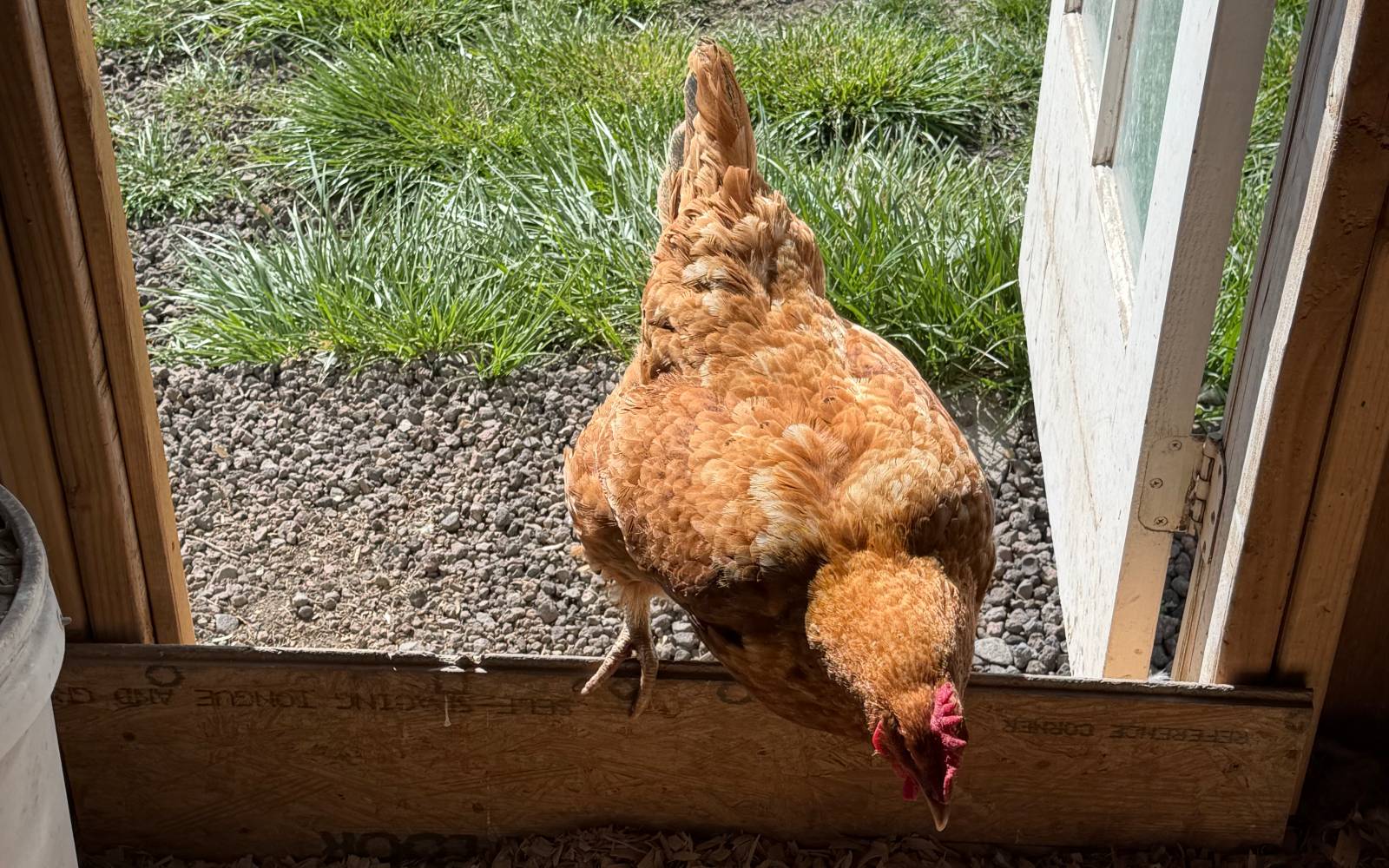
A few setup changes can keep older hens functioning without turning the whole place into a hospital. I like a lower backup roost, dry footing near the coop door, more than one feed spot, and a water location that does not require a weak bird to cross mud or ice. In winter I pay attention to whether older hens are getting displaced from the best protected roosting area.
None of that is fancy. It is just removing stupid obstacles. A hen with stiff legs should not have to launch herself from a high roost onto frozen ground. A slow bird should not have to fight twenty younger birds for five minutes at the only feeder. Those are management problems, not personality problems.
Where I draw the line
Feed costs money and coop space is real. If every old hen stays and every new pullet gets added on top, the yard eventually gets crowded, dirty, and harder to manage. That is not kindness. That is bad math wearing a nice hat.
My line is this: I keep some older hens because they still have health, function, and a place in the flock. I do not keep every hen forever, and I do not remove every hen the moment the nest box gets quiet. The decision is better when it is based on the bird in front of me, not on a slogan about productivity or a soft story about retirement.