The best beginner breed is usually the one that keeps life simple
The inspiration for keeping chickens varies from individual to individual. Some want food security and the highest quality eggs, some want companions, and others may want to adorn their Instagram with cute photos. Choosing a chicken for the color pattern or for the novelty of the look in my opinion is the wrong way to choose your chicken breed. I’ve seen many beginners start with birds that are not suitable and the best outcomes are from common breeds that are not in a flock with the most exotic birds. Chicken keepers who are just starting out should have birds that forgive mistakes, act well in social bird settings, and diligently do what they need to do to provide you with eggs and companionship.
A beginner friendly hen or chicken should stay healthy without any special care. It should behave well and reasonably in a flock with mixed breeds, and it should, most importantly, reward the chicken keeper with a bounty of eggs as well as other chicken tasks like mixing up compost, processing kitchen waste, and removing bug larvae from other livestock if you have that in your pasture. Although choosing chickens for reasons other than looks may not sound great to some people, this is the best advice.
A few categories that usually make sense first
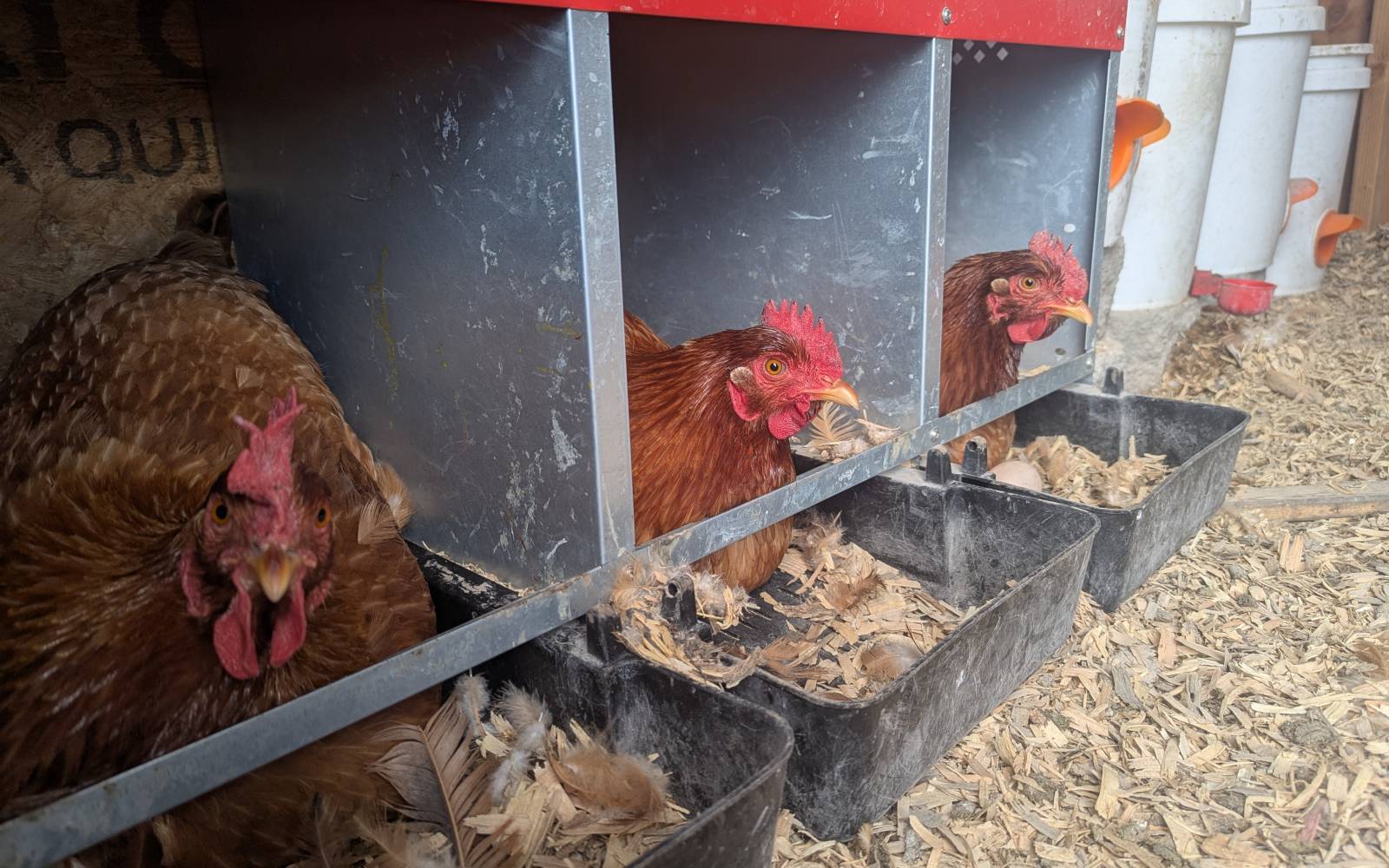
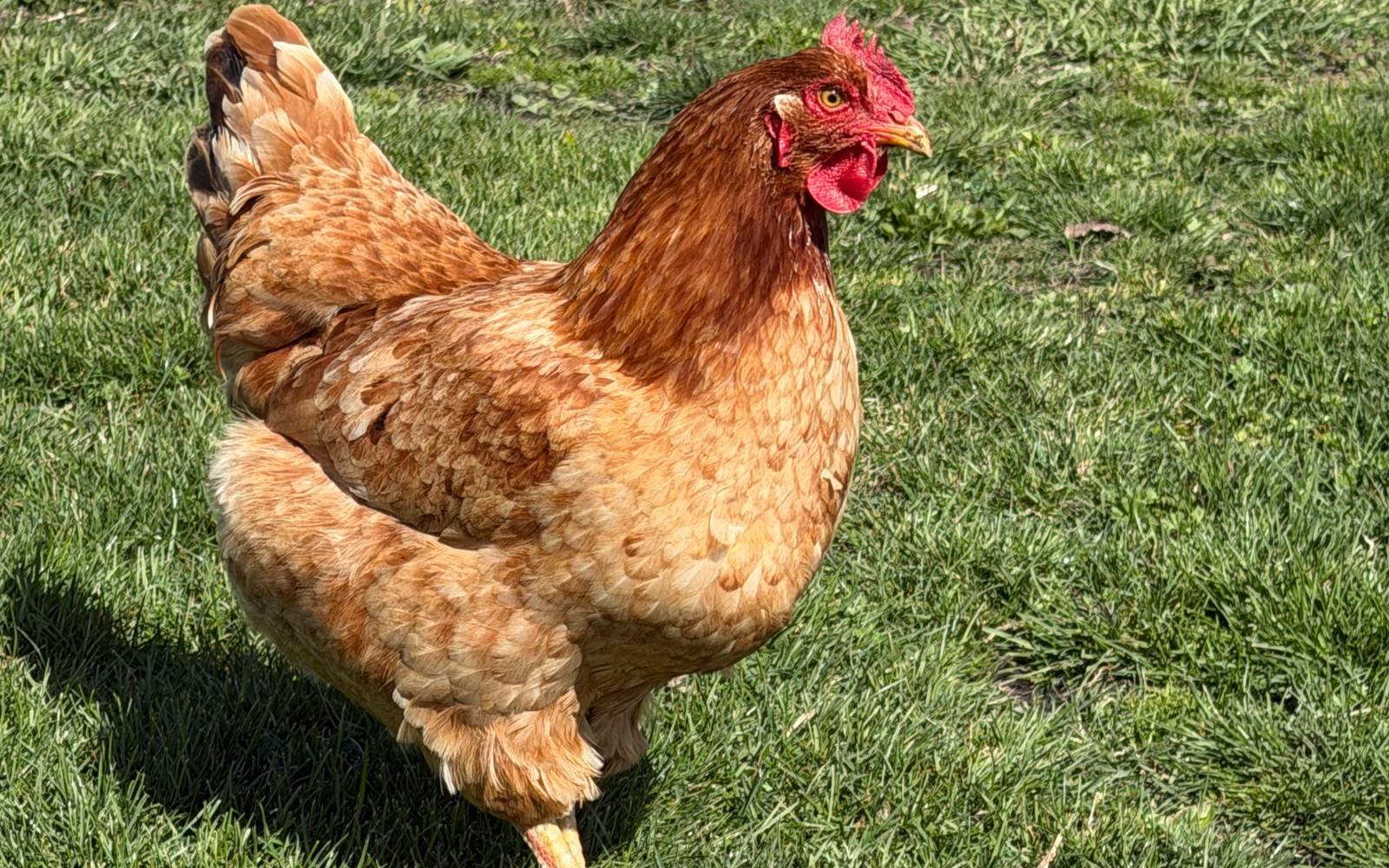
- Buff Orpingtons: often calm, broad-bodied, and easy to live with.
- Australorps: practical black birds with a reputation for steady laying and decent flock sense.
- Barred Rocks: active enough to be interesting without always being foolish about it.
- Rhode Island Red types: productive and tough, though some lines can be more assertive than others.
- Easter Eggers: a good way to add blue or green eggs with a proven track record.
Those are not guarantees. Good stock still matters, and so does the individual bird. But if someone wanted a sensible short list instead of a fantasy flock, that group would be a respectable place to start.
Temperament matters more than people expect
Aggressive birds are not fun to deal with. A calm hen is easier to pick up and inspect, easier to integrate with the flock and just easier to tolerate over the long term. A flock that is full of high strung or aggressive birds turns every occasion to associate with them into noise and chaos and every routine into a chore. Having the right temperament in your birds will make you a happy chicken keeper and allow you to keep chickens for the long term.
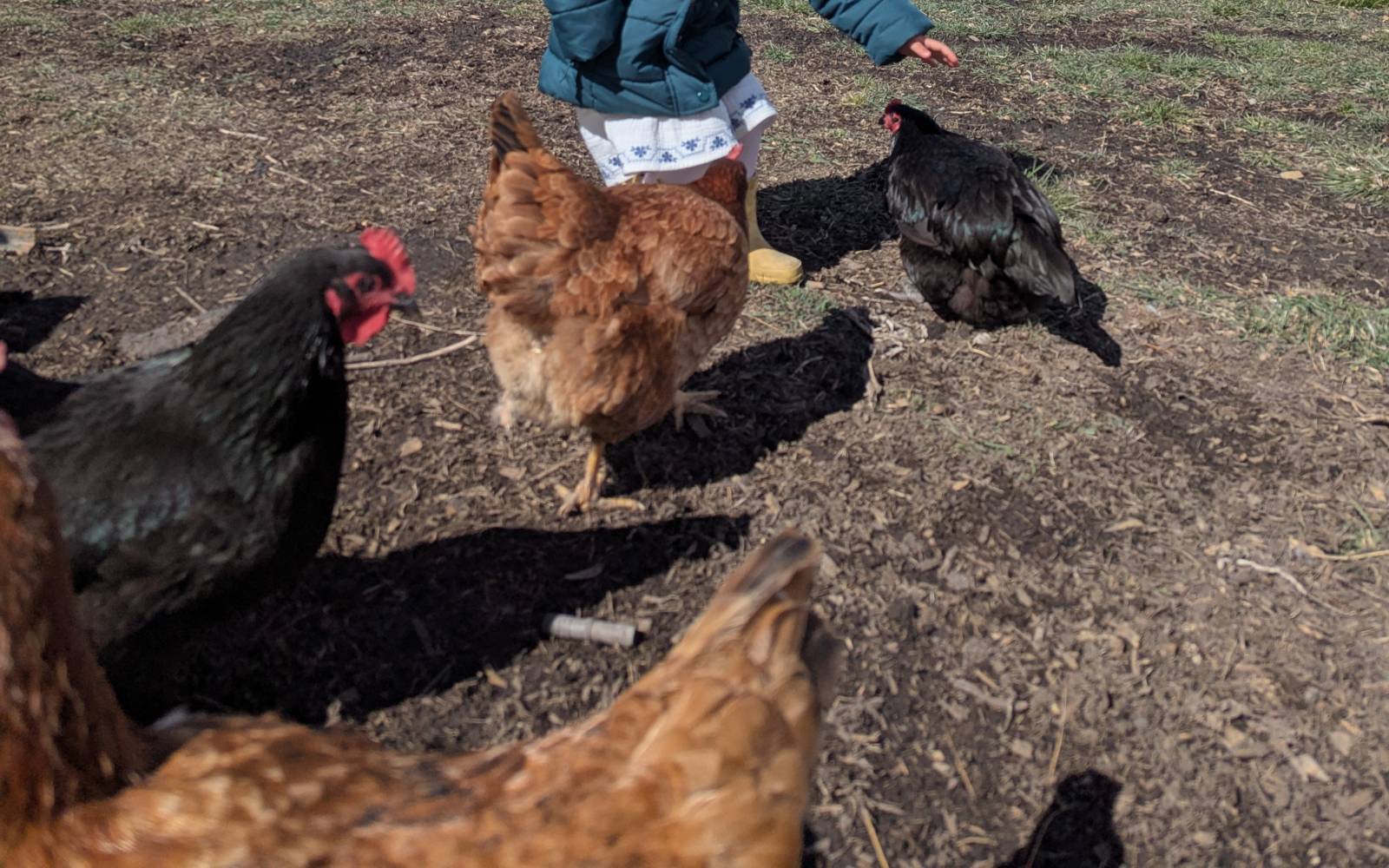
Also, another thing to consider is that not every bird should be docile and unenergetic. A hen that is alert and notices predators is helpful and a bird that wants to get out and forage is a good thing. If pasture is available, this is a useful trait. It will somewhat depend on your style of chicken keeping. Initially, I thought my chickens would live in the run to avoid predators, but it turns out that having good foragers that pick through open fields and pull bugs and worms out is what I really like, so having a breed that does that well is important to me. One piece of advice will not work for all types of chicken keepers so you have to consider your variables when choosing your breeds.
A practical mixed flock is often better than a perfectly matched-looking one
A lot of people who keep chickens want a variety in their egg basket and some variety in their yard is reasonable and fine. The best way to obtain that, in my opinion is to start with a core of the most practical-type birds and then add a few that are different or interesting. In addition to the core, depending on the size of your flock, keep about half as your dependable core and then add in some variety, some color, a black one, a patterned one, and different egg-laying colors, but remember that a strong core of hardy, good-working birds is crucial to minimize issues that you’ll have to deal with.
You should prioritize stability over variety.
Hardiness shows up later, when it matters
Any breed of bird can perform well in nice weather and when being watched closely. Hardiness becomes more obvious when the flock experiences hot days, windy days, or a season of molt, shorter days and imperfect management. Birds that will keep eating and moving around and acting like themselves through difficult periods are the birds that you want to keep in your flock.
This is the main reason that I prefer breeds that are hardy and full of utility for beginners. They are common breeds because people keep finding them worth keeping in the flock.
Comb type, body type, and little practical details
Often overlooked are some minor physical features that differ between breeds in colder climates. A very large comb on top of the bird’s head can be more prone to cold issues like frostbite and smaller combs tend to do better in those conditions. Big heavy birds may handle cold better, but do not always jump down from the roof as easily or gracefully as smaller and lighter birds a bird with an injured leg doesn’t go out and eat so that can become an issue. Very fluffy feathering can look appealing or feathers on the feet seem cute, but that can cause maintenance and upkeep issues especially if you deal with mud.
The reasons above are not always reasons to reject a bird breed. They are just reasons to think about how you will manage their differences. For beginners, start with the easy ones would be my best advice.
Some birds make more sense once you already know what a flock feels like
Rare ornamental or small and highly feathered birds or a bird that is broody can have benefits down the road. I just think they are easier to understand once a keeper already has a baseline knowledge for what ordinary flock life looks like. If each bird in your first flock is an exception to the norm. It becomes more difficult to understand which issues belong to chicken keeping, and which issues are personalized based on your choices.
It’s always best practice and I recommend to beginners that they succeed with useful birds first and then get more specialized with pretty looking birds after they’ve had success.
The source matters as much as the breed name
A breed that doesn’t produce well can be disappointing. A breed with a mixed reputation can still produce very usable and workable hens right from day one. This is all part of asking real chicken keepers how their birds turned out after the first year. This information is usually more valuable than reading positive reviews from vendors.
At the end of the day, the best breeds for beginners are not the birds that look the prettiest in an ad. They are the birds that make the new keeper want to continue long term.