A good coop is less about cuteness and more about whether it keeps working
A lot of first coops are designed as if the main job is to look charming in a photograph. The birds could not care less. What matters is whether the coop stays dry, secure, ventilated, and easy enough to use that the keeper does not start resenting ordinary chores.
If collecting eggs means crawling into a fouled corner, if the latch sticks whenever the temperature drops, or if you cannot see half the birds without squatting in manure, then the coop is not helping you no matter how appealing the roofline looked when it was new.
Space changes behavior, not just comfort
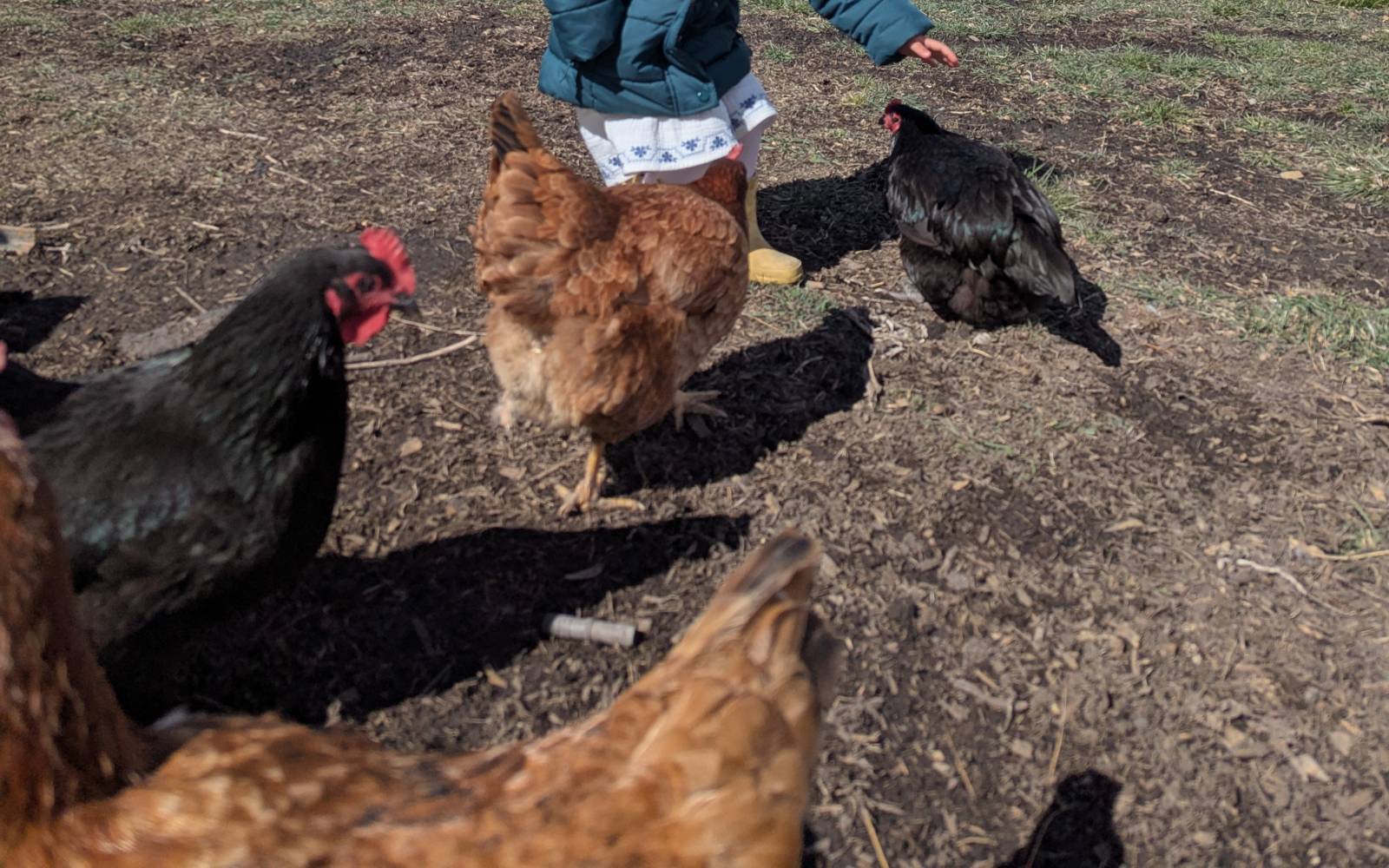
For standard hens, about 4 square feet per bird inside the coop is a reasonable minimum starting point. In the run, 8 to 10 square feet per bird is more comfortable and more honest than the cramped allowances people sometimes try to justify. If your flock will be confined a lot, err on the generous side.
Crowding is not just a matter of whether the birds fit. It affects bullying, air quality, bedding condition, feed access, and whether lower-ranking birds have any chance to step out of pressure. A slightly more generous coop and run often prevent problems people later misread as breed issues or personality issues.
- Roost space: roughly 8 to 10 inches per hen.
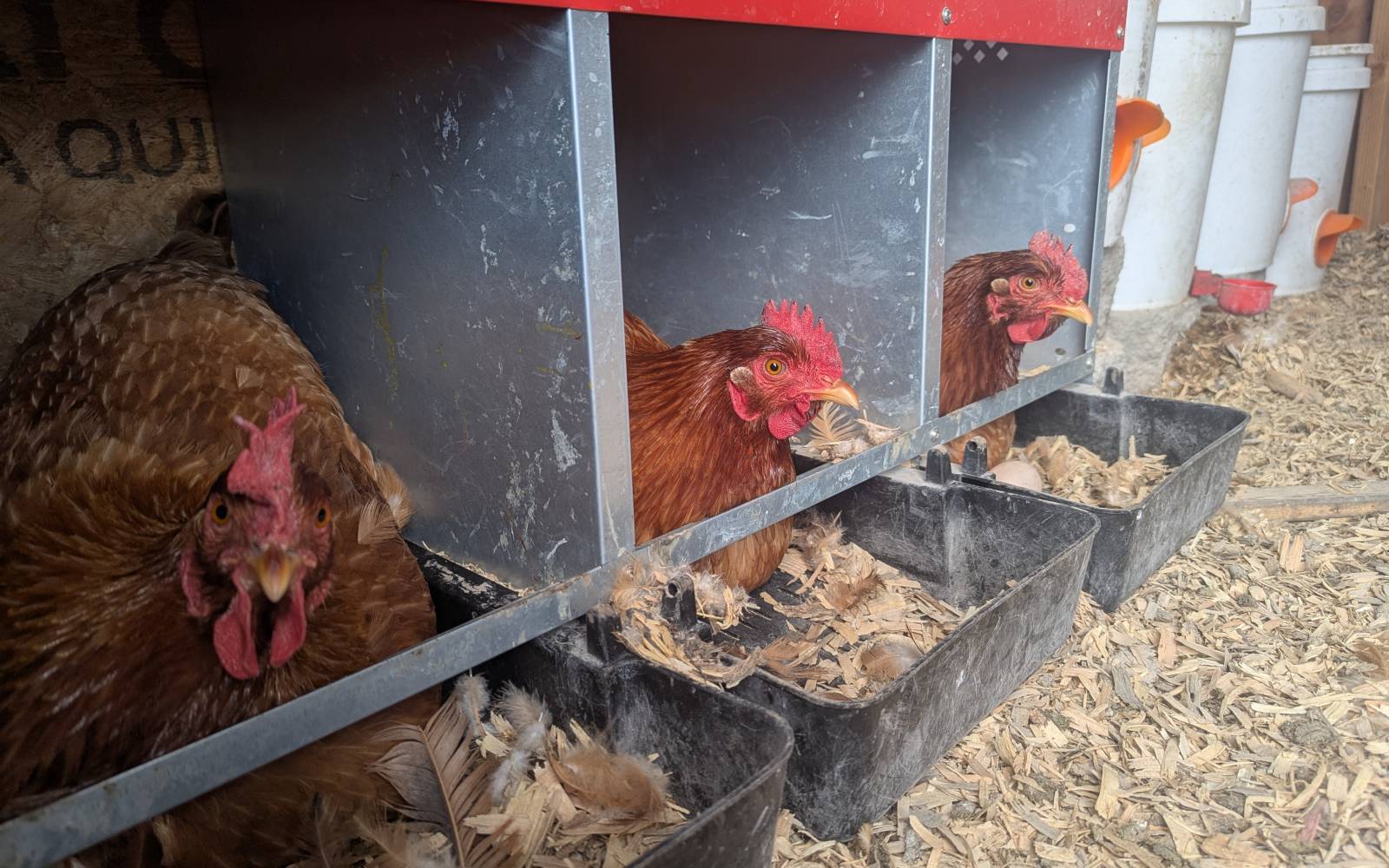
- Nest boxes: about one for every 3 or 4 hens.
- Run space: give more if birds will spend long stretches confined.
Roosts and nest boxes should work with chicken instincts, not against them
Chickens want a comfortable elevated place to roost at night and a quieter more sheltered place to lay. If the coop lines up with those instincts, the birds usually cooperate. If it does not, they improvise, and their improvisation tends to create more work for the keeper.
Roost bars should feel secure and wide enough to be comfortable. Many keepers prefer 2x4-style roosts with the wide side up because they give heavier or larger birds a more stable footing than skinny dowels. Nest boxes should feel a little private, not like display shelves in the busiest part of the coop.
A lot of the clearest signs of a good layout is that the birds use the space the way you hoped. They lay in the boxes, roost on the bars, and do not constantly invent strange alternatives.
Ventilation matters even when cold weather has you thinking only about warmth
Many coop problems blamed on cold are really moisture problems. Chickens create moisture through breathing and droppings. If that moisture gets trapped, the air goes stale, bedding stays wetter, the coop smells sharp, and the birds live in conditions that feel worse than the actual temperature would suggest.
Good ventilation usually means letting damp air leave up high while avoiding a direct draft blowing across the roost. What you want is movement of air, not punishment by air. A coop can be cold and healthy. It can also be warmer and miserable if the dampness is trapped.
One of the best simple tests is to step inside early in the morning. If the coop smells stale, heavy, or overly sharp, something about the airflow probably needs attention.
The run is not an afterthought
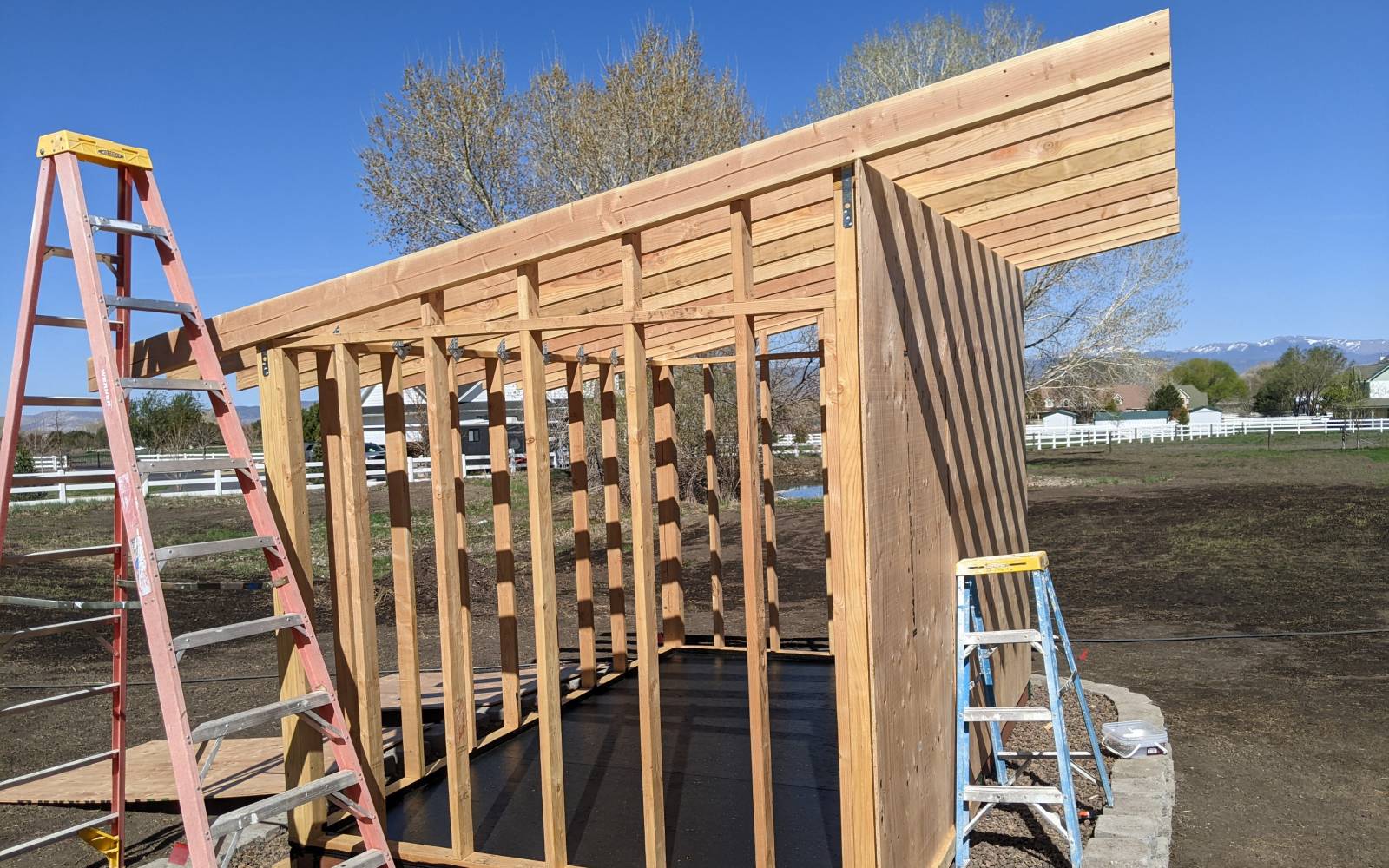
A decent coop can be let down badly by a weak run. If birds spend their days there, the run is part of the flock’s real living space and part of its real protection system. The frame should be strong. The wire should be suited to the predators that can test it. The bottom edge should not be a casual invitation.
Hardware cloth is much more useful than chicken wire where actual predator resistance matters. Digging pressure should be addressed with either buried protection or an outward skirt. Latches should be strong enough that a raccoon does not get to treat them like a puzzle toy.
Runs also need weather thought. The best ones give birds shade, dry ground options, and at least one area that feels protected when wind or rain makes the exposed parts of the yard less attractive.
Little layout choices save a lot of future irritation
- Put water where birds cannot roost over it.
- Keep feed accessible without forcing you into awkward body positions.
- Do not make your only serious access point a tiny decorative door.
- Leave enough room to scrape, sweep, and rebedded the worst areas without a wrestling match.
- Think about drainage before you think about trim.
These are boring decisions, which is exactly why they matter. The keeper ends up living with them every day.
The best coop disappears into routine
That is what I aim for now. Not a coop that dazzles me every time I look at it, but one that quietly supports good habits. The birds roost properly. The air stays decent. Eggs are easy to gather. Cleaning is straightforward enough that I do not procrastinate it. Night lockup feels secure instead of doubtful.
A coop that does all that is already doing excellent work, whether or not anyone ever calls it cute.