Chickens can turn kitchen waste into something useful
Chickens will eat a surprising amount of what a kitchen throws away. Vegetable trimmings, stale bread in small amounts, cooked rice, wilted greens, melon rinds, squash guts, apple cores, and plate scraps can disappear fast in a flock. That does not mean every scrap belongs in the run, but it does mean a flock can reduce a real stream of household waste.
Food waste is a huge part of what goes to landfills. I do not think a backyard flock fixes that by itself, but I notice the difference at home. A bowl of scraps that would have gone into the trash becomes eggs, manure, scratching activity, and composted bedding. That is a better ending for a carrot top than sitting in a plastic bag.
Scraps are extras, not the main ration
I still treat layer feed as the base. Scraps are not a balanced diet. If the birds fill up on low-protein leftovers, egg production and feather quality can suffer. I want scraps to add activity and reduce waste, not replace the nutrition I am paying for in the feed bag.
The practical rule is simple: feed the flock first, then scraps. If scraps make the feeder last longer because the birds are eating garbage instead of proper feed, that is not savings. That is a slow way to create problems.
What I like giving them
I like giving vegetable peels, greens, cooked grains, squash, pumpkin, fruit bits, plain cooked meat scraps in small amounts where allowed and sensible, and garden leftovers that are not moldy. I also like tossing larger pieces in a way that makes them work a little. A cabbage core or squash half keeps birds busy longer than a pile of mush.
Scraps are also useful in winter when the yard is boring. A warm pan of plain leftovers can get birds moving, but I do not make a habit of salty, greasy, or heavily seasoned food. Chickens do not need my dinner mistakes.
What I do not toss
I avoid moldy food, spoiled meat, very salty food, greasy leftovers, candy, chocolate, coffee grounds, alcohol, avocado pits and skins, and anything with obvious contamination. I also do not toss huge amounts of onion, strong seasoning, or food that will sit and stink if they ignore it.
The rule is not complicated. If it is rotten, risky, sharp, chemical, or so processed that it barely looks like food, it does not go to the flock. The chickens are not a trash can. They are animals that happen to be excellent at cleaning up the right kinds of leftovers.
How I feed scraps without making a mess
I try to give scraps in a specific place, not scattered everywhere. That keeps me from creating hidden piles that attract rodents. I feed what they can clean up fairly quickly, then remove what is left if it is wet or likely to rot. In hot weather I am stricter because scraps turn nasty faster.
This is where people get into trouble. They start with a tidy bowl of trimmings and end with a sour corner of the run. Scraps should leave the yard cleaner, not dirtier. If they are attracting flies, rats, raccoons, or dogs, the system is wrong.
My kitchen routine
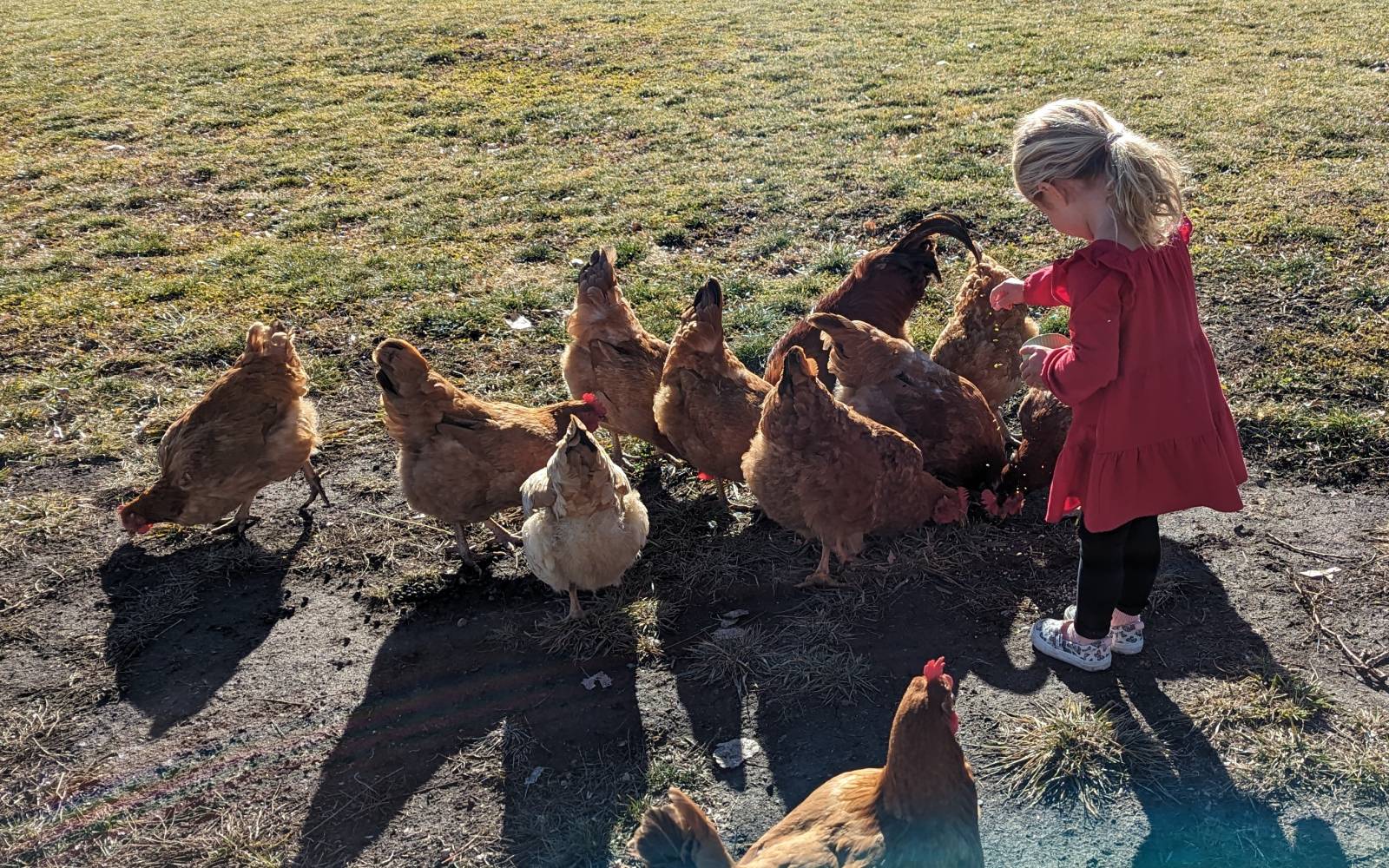
I keep a scrap bowl while cooking, but I sort as I go. Good chicken food goes in. Questionable food goes to compost or trash. Anything that needs to be chopped smaller gets chopped before it reaches the run. That small habit saves time because I am not standing outside with twenty chickens at my feet trying to decide whether something is a good idea.
Used well, scraps are one of the best parts of keeping chickens. Used badly, they create smell, pests, and nutrition problems. The difference is not fancy knowledge. It is paying attention to what goes in the bowl and what is still sitting there an hour later.