A rooster is either useful or he is not
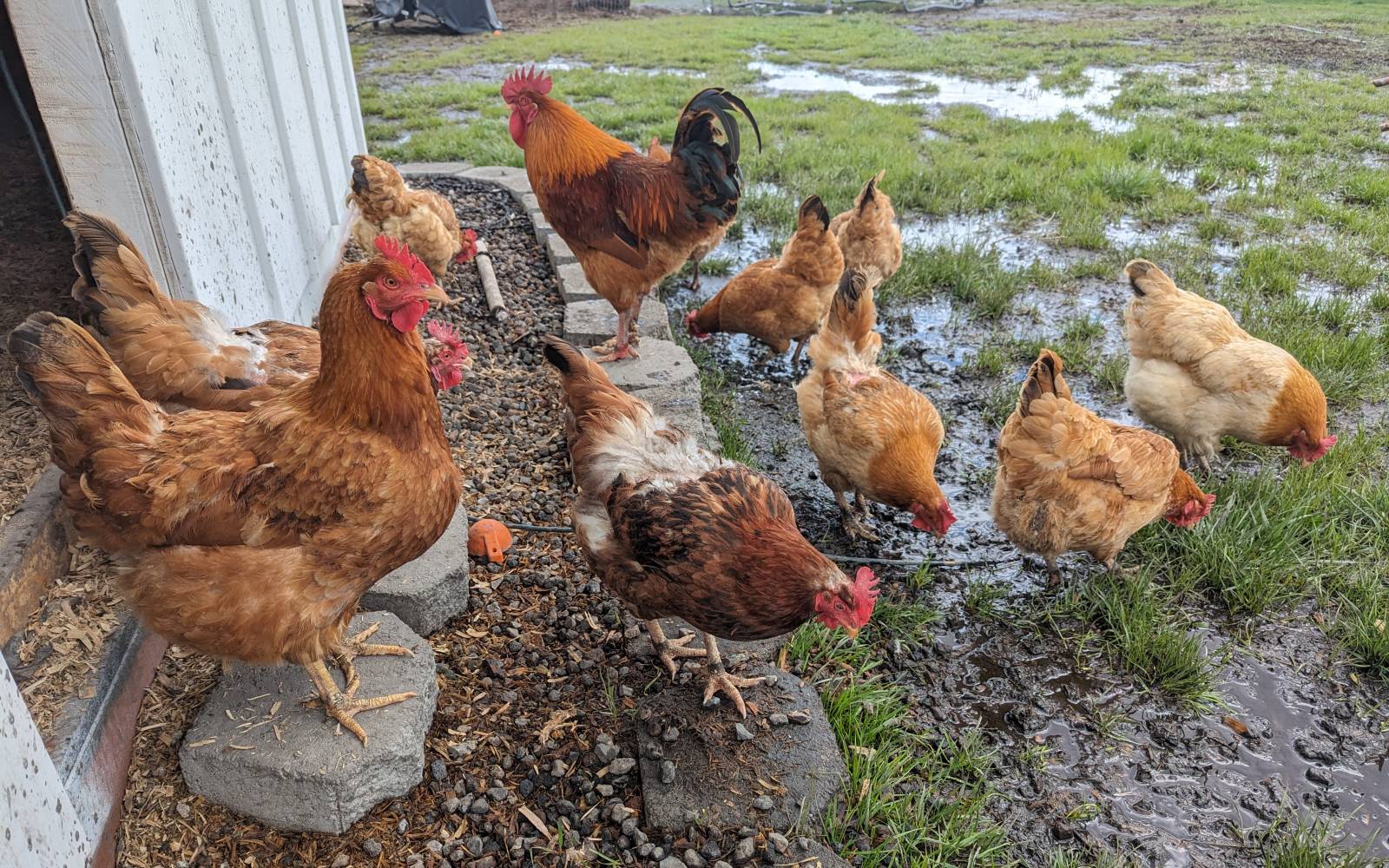
A rooster can be worth keeping, but not because he looks impressive standing on a fence post. The useful ones change the way the flock moves. They watch the sky, call hens to food, keep young birds from scattering, and put themselves between trouble and the group. The useless ones make noise, tear up hens, challenge people, and still fail to notice a hawk.
I do not keep a rooster for decoration. If he is going to eat feed, wake the yard, and breed hens, he needs to make the flock better. That is the standard.
The first thing I judge is behavior around people
A rooster that comes at people is a problem. I do not care how pretty he is, what breed he is, or whether someone on the internet says he is just protecting his hens. There is a difference between awareness and aggression. A good rooster can watch you closely without spurring your legs.
I pay attention when I carry feed, move buckets, open gates, or have a child near the run. If the rooster turns those normal chores into a standoff, he is not adding value. He is making the property harder to use.
Good flock manners matter
A good rooster does not treat hens like equipment. He should not chase them until they are ragged, pin the same bird all day, or interrupt every feeding. I want to see him call hens to food, let them eat, break up little fights without causing a bigger one, and breed without wrecking backs and feathers.
Saddles can help hens in a breeding group, but they should not be used to excuse a bad rooster. If several hens are losing feathers, hiding, or avoiding open ground because of him, the rooster is changing their life for the worse.
I watch what he does when something changes
The best test is not a calm afternoon. It is wind, a new object, a hawk shadow, a strange dog, or pullets being added near the flock. Some roosters become useful then. They call, gather, and move the hens. Others just panic louder than everyone else.
I remember the roosters that made chores easier. The ones that kept hens near cover, warned without making the flock stupid, and knew when to back off. That kind of bird is rare enough that I do not take it for granted.
One rooster is often enough
Most small flocks do not need several roosters. Multiple males can work in the right space with the right temperaments, but it can also turn the yard into a constant argument. Hens get chased more, feed time gets tense, and young cockerels copy the worst behavior in the group.
If I only need fertile eggs and a flock watchman, one good rooster is worth more than three mediocre ones. More roosters is not more protection if they spend half the day fighting each other.
What he is worth to me
A good rooster is worth feed, space, and a little noise. He earns it by making the flock safer and easier to manage. A bad rooster is expensive even if he was free. He costs attention, hen condition, and peace in the yard.
That is why I judge roosters harder than hens. A hen can be average and still give eggs. A rooster has to justify his place through behavior. If he cannot do that, I do not keep him because of his feathers.