Four hens is a different project
Four hens can feel like chickens as a hobby. A real working flock feels more like a small system. Feed storage matters. Water placement matters. Coop space matters. Predator routines matter. You stop thinking only about individual birds and start thinking about flow, waste, replacement layers, and what happens when a few birds are off at the same time.
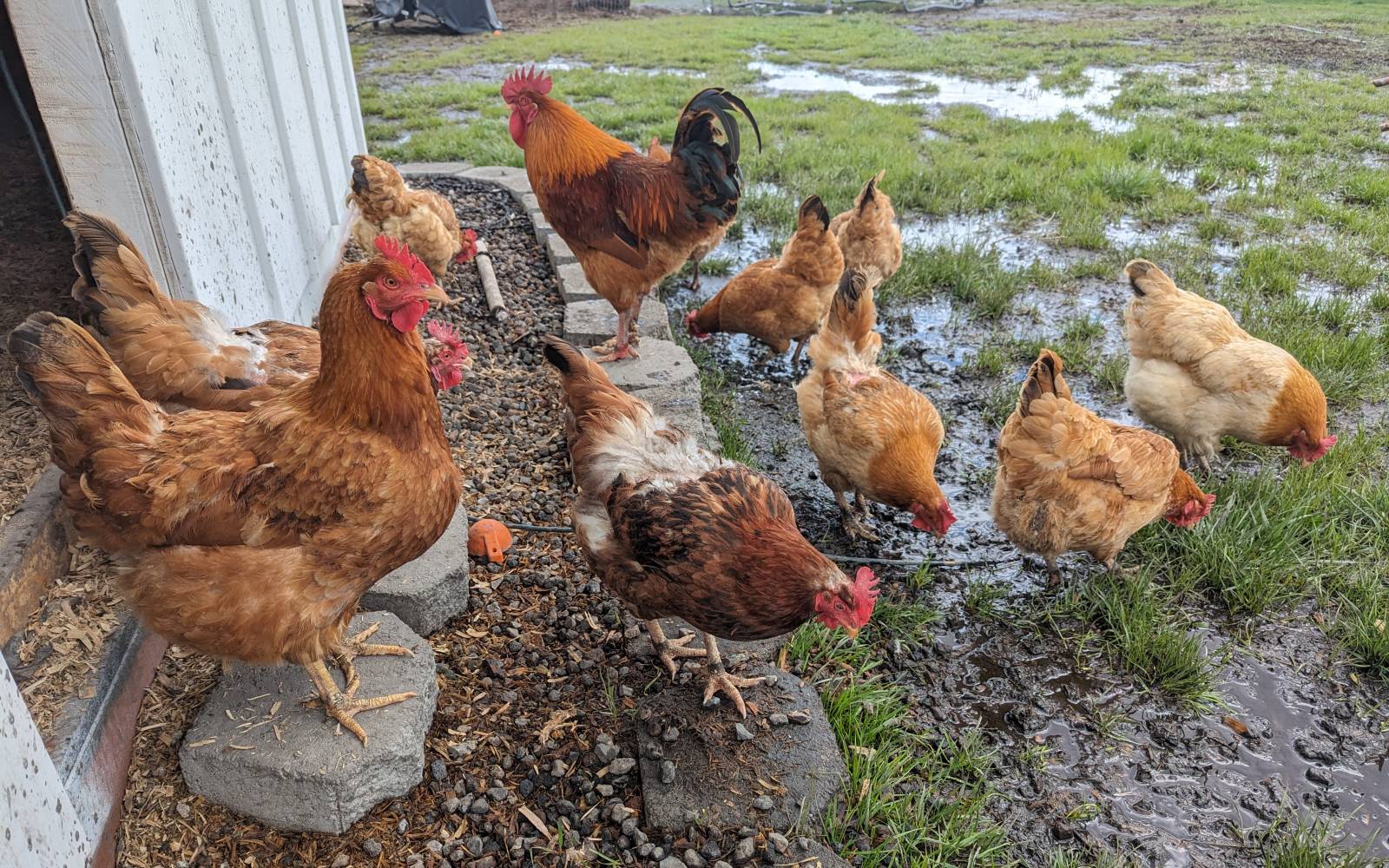
The change did not happen in one dramatic moment. It happened when a small chore multiplied. One feeder became not enough. One waterer got crowded. One nest box preference turned into a daily line. A little mud by the door became a mess because more feet hit it. That is how a flock tells you it has outgrown the cute setup.
The first thing that had to improve was space
I do not just mean square footage. I mean usable space. Birds need room to move away from each other, feed without being trapped, dust bathe without being stepped on, and get out of wind or sun. A cramped flock is louder, dirtier, and more dramatic.
Adding birds before fixing space creates fake behavior problems. A hen that looks mean may just be guarding the only feeder. Pullets that look stupid may have no safe path into the coop. Before blaming the birds, I look at whether the layout is forcing them into conflict.
Feed and water had to become boring
A small flock lets you get away with casual systems. A bigger flock punishes that. I want feed dry, stored safely, easy to refill, and not placed where one bossy hen can control it. I want water in a place birds actually use, with a backup when weather gets bad.
Boring is the goal. If feeding requires a daily puzzle, the system is too fragile. I like chores that are repeatable enough that I can notice what is different. If every morning is chaos, you miss the early signs that something is wrong.
Replacement birds changed the calendar
Once I wanted eggs consistently, I had to think about ages. A flock with all birds the same age can hit a wall together. They lay well, then molt together, slow together, and suddenly the egg basket looks sad.
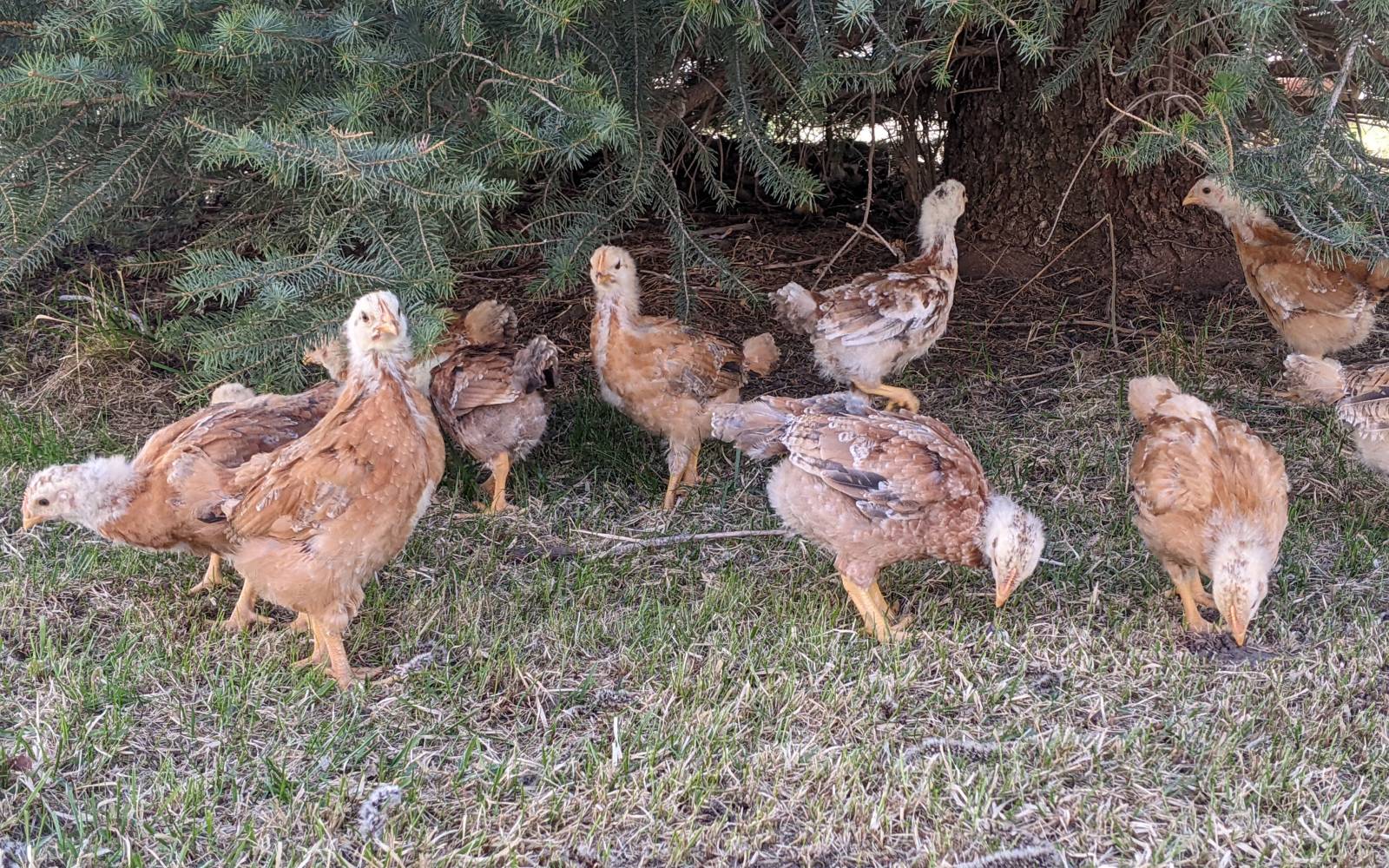
Now I like a mix of ages. Some pullets coming in, some steady hens, a few older birds that still belong. That gives the flock more stability. It also means introductions become a regular skill instead of a one-time event.
I started keeping records, even rough ones
I do not need a fancy spreadsheet for every feather, but I do need some memory outside my head. When birds were added, which breeds performed well, when molt hit, when egg numbers dropped, which hens raised chicks, which birds caused problems, and what feed change seemed to help. Those notes keep me from repeating the same mistake with confidence.
The funny thing is that you think you will remember. You will not. Six months later every spring sounds like last spring and every bird story gets cleaned up in your mind. A few plain notes are better than a polished memory.
What made it feel like a working flock
It became a working flock when the birds, setup, and chores started supporting each other. Eggs were not random luck. Feed was not an emergency. New birds had a plan. Old birds had a standard. Predator checks were routine.
That is the difference for me. More birds alone does not make a flock real. A real working flock is one you can manage through weather, age changes, and small problems without the whole yard turning into a mess.