Start with a flock size that teaches you something instead of overwhelming you
A good starting point might be four or six hens. This is the right number of birds to learn what a real flock feels like and mistakes made with a small flock are not as drastic as with a bigger flock. Having only two hens can be challenging to learn from because one odd bird’s behavior can prevent you from understanding what’s going on. A number like 10 can be great, but you will need to create a large enough coop and have a solid understanding of how to feed, water, and provide run space. Also, predators are more attracted to larger flocks so this is crucial to figure out before you get any hens.
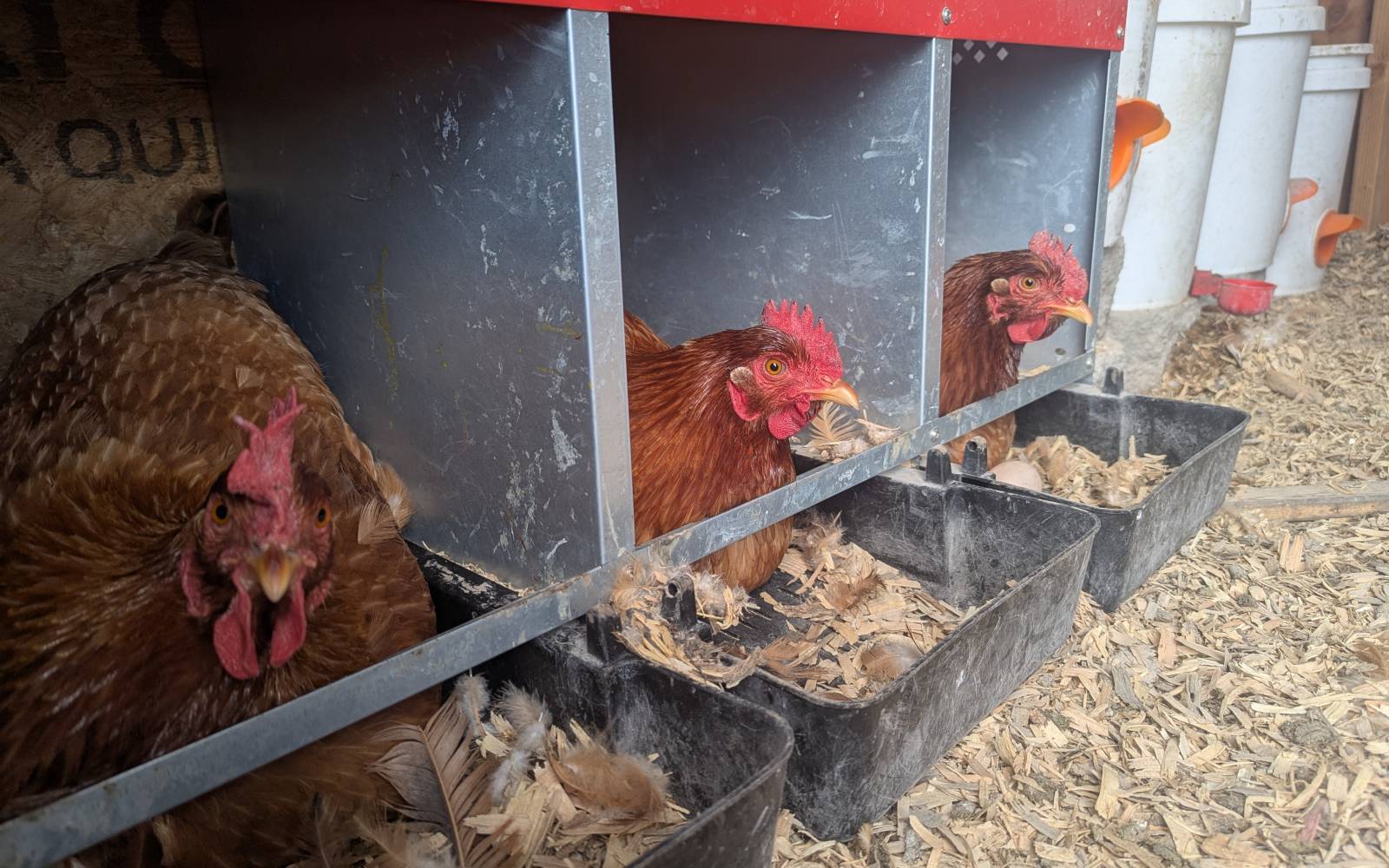
A medium-sized flock of five or six might be a good starting point to learn with. One hen might be more aggressive. There could be one that is calm and maybe one that rushes to treats first showing the others how it’s done. Hens need to learn to lay in their nest box, although it may be their instinct to choose the box over a corner of the coop. If your setup is made properly having a variety of hens with a medium-sized number is a good way for the hens to teach each other.
- Four hens is a low-stress start for most households.
- Six hens gives you a little production cushion without changing the whole workload.
- If you go bigger than that, you’ll need to build bigger and come up with a better plan than you might realize.
- Make sure that you have a place for each bird to roost at night and a laying box. You should have one box for every three birds in your flock.
Finish the setup before the birds move in
Many people get excited when they see baby chicks at Tractor Supply or the feed store and take them home in excitement. You should build your coop completely before you bring any chicks home even though they start in a small brooder box for the first few weeks. I’ve seen people bring home hens and plan to build their coop while the chicks are maturing and then things can happen like a bout of bad weather can rain down on your plans and prevent you from building a proper structure. My solid advice is to build your coop before bringing baby chicks home.
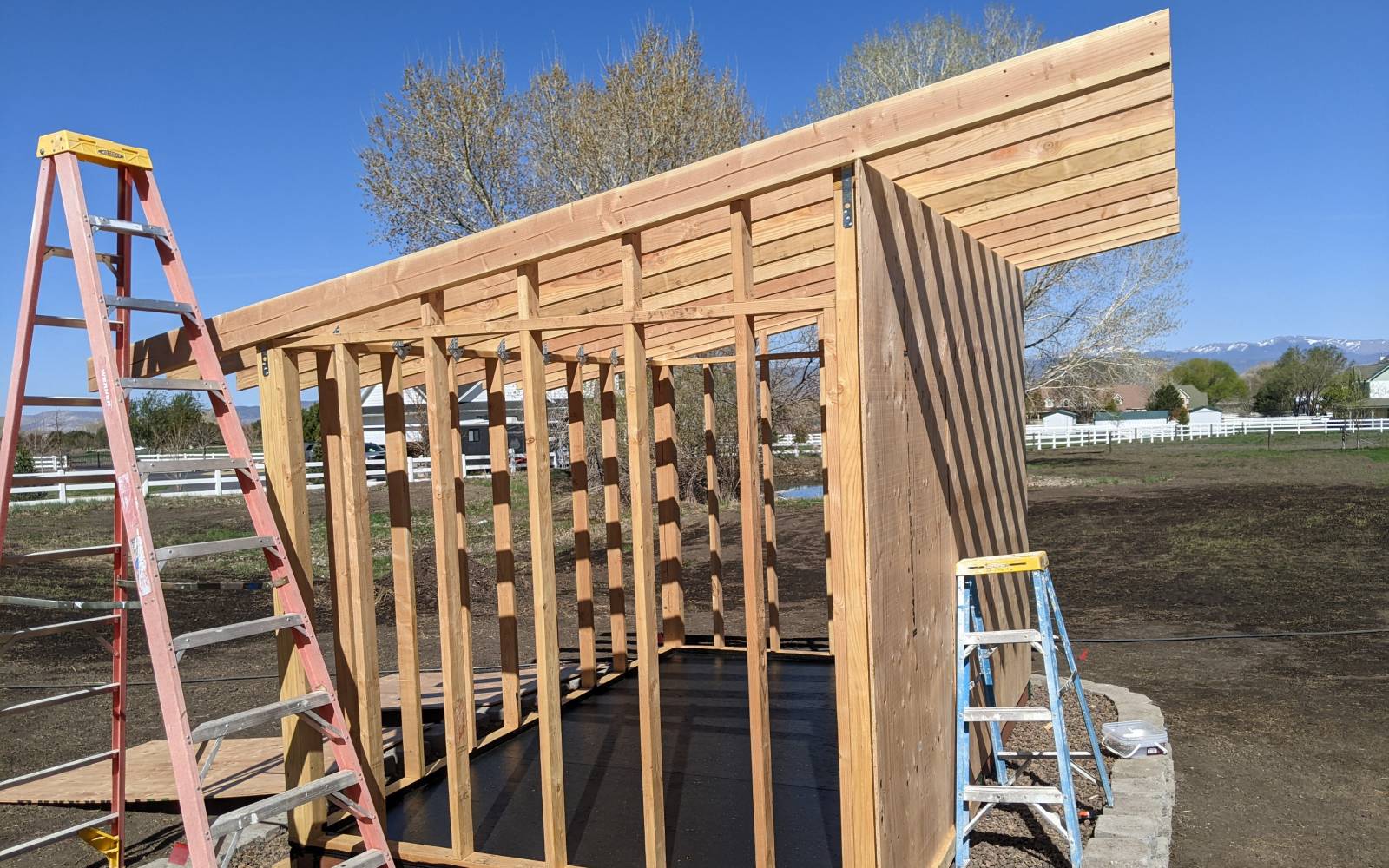
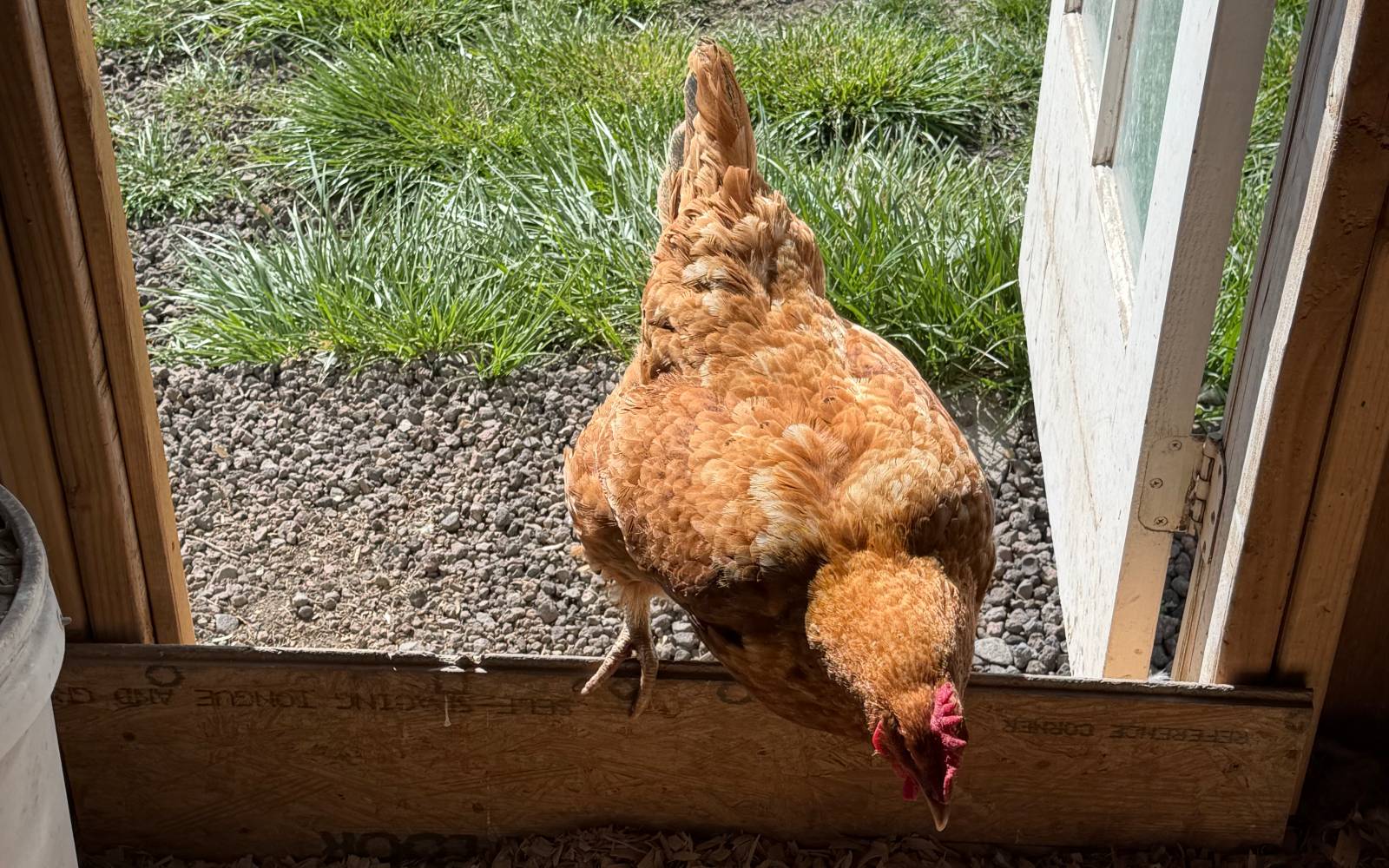
For hens to be happy and healthy, about 4 square feet per bird inside the coop is a good reference point. However, if you have space to give each hen 8 to 10 square feet, it could translate into happier hens and more space to maneuver. A lot of kit designs and people who have the idea of starting small build something that they can’t get into or clean. If you have the ability, build a coop or kit that is tall enough to walk in and around comfortably as you’ll soon find out the aesthetics of the coop are not the most important thing. The most important element of a coop is security. It needs to be bulletproof so that predators can’t scratch under, through, or above. The second is convenience. Your coop should be laid out so that roosting bars are not over the food or you’ll end up with chicken droppings in your water and food. Also, you want surfaces to be easy to clean so consider that when choosing materials. Additionally, there should be some sunlight. I have a window facing east that perks the birds up in the morning and my glass pane door is facing south to give the birds warmth on winter days.
Ventilation is also crucial for wet winter days and hot summer afternoons. If you have power running to your coop, consider an exhaust fan with a timer to run at crucial times of day depending on the season.
Choose birds for temperament and reliability before you choose them for novelty
A beginner should start with hardy calm breeds. You can allow for some variation in your flock, but choose breeds that are known to do well in your area. Your local feed store will stock breeds that will do well in your area. If you’re going to order baby chicks from a mail order service, do some research to make sure that they are a good fit for your climate and for your level of expertise.
Buff Orpingtons, Australorps, Barred Rocks, and Easter Eggers are all common beginner choices for a good reason. Their popularity is due to several factors and it’s not an accident. These are practical breeds, and have good temperament and habits. There will be variation between breeds, but generally descriptions of each breed are accurate.
The first baby chicks that I got were from a local feed store. I didn’t really know very much so I just bought the breed that they had that day. They were all New Hampshire Reds related to Rhode Island Reds. These became big hardy birds that did well in cold weather, foraged excellently and laid many large eggs. One of the chickens turned out to be a rooster, and I learned the hard way that this breed is calm for a hardy hen, but the roosters in the breed are very aggressive. He didn’t stay in the flock forever.
- With a good setup, chickens will take care of themselves.
- Add a few chickens that lay colorful eggs, but don’t rely on them for your entire flock.
- There are positive things to say about every breed, but learn about the negatives as well.
Expect a daily rhythm, not a constant emergency
Chickens like consistency. A typical day should be typical and that means ensuring that they have enough feed and fresh water. Take a look at them for enough time to notice if anything is wrong, collect eggs daily and make sure that they are locked in their coop securely each night as predators generally come at night to the coop.
Most issues with the flock do not start from one solitary mistake. Trouble usually comes from small mistakes that add up. Water was low for too long or the bedding got moist and stayed that way. Predator proofing did not consider how smart or strong predators can be. Sometimes it could be that a bird gets picked on by the flock, and if that goes on for too long, the injured chicken will continue to take the abuse of the more dominant members of the flock.
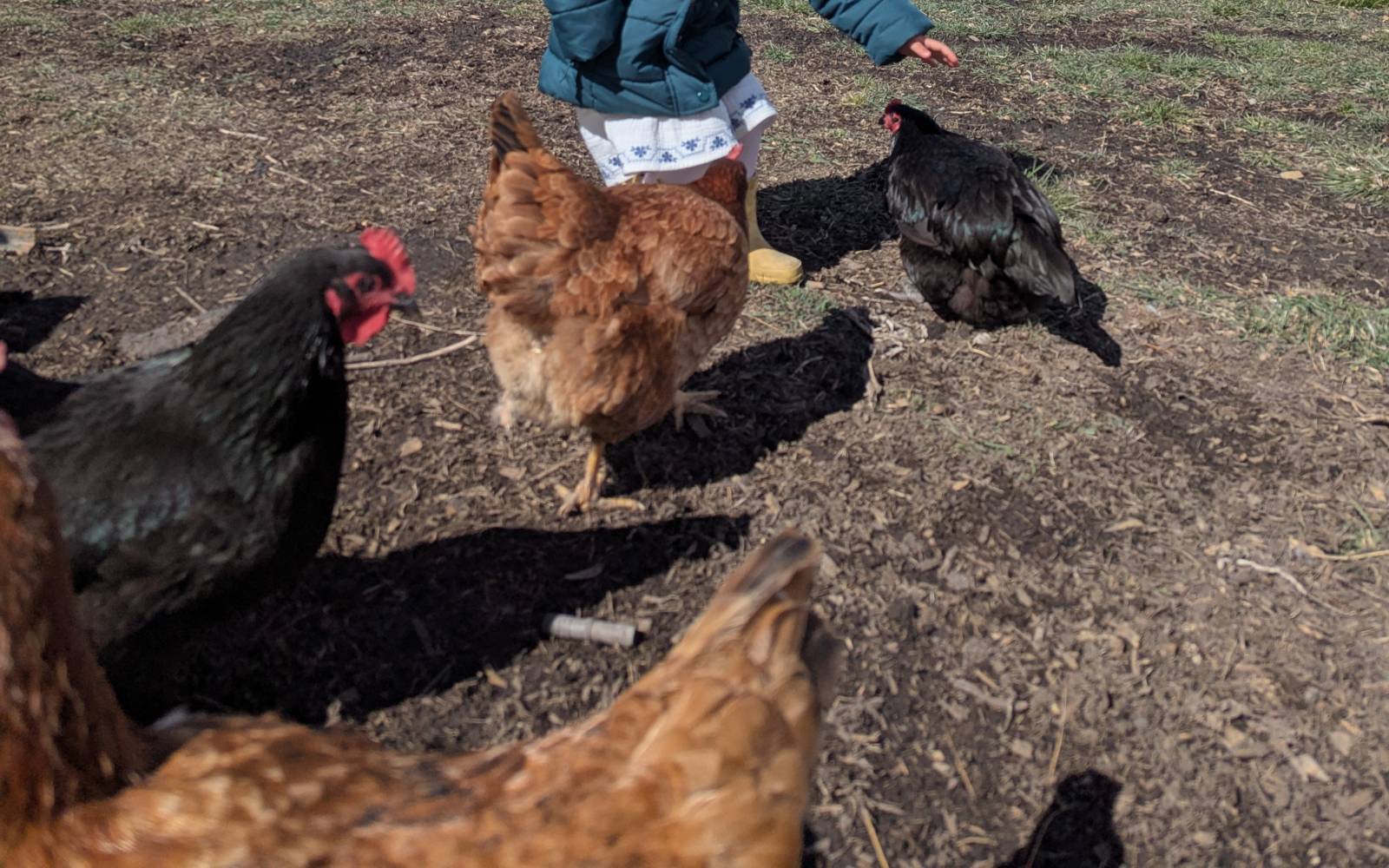
A good, healthy hen as part of a good, healthy flock will look great. They’ll come out of the coop with bright intentions. They’ll show interest in feed, chicken scratch, and water. They will scratch themselves. They’ll take in the sights and scenery. They will dust bathe in dry dirt and they will climb up to the roost each evening in a way that looks instinctual. Once you know what normal chicken behavior is, it is simply easier to identify any problems.
Buy the useful supplies first
Understand that chicken wire is meant to keep chickens in a place, not to keep predators out. The wire is just not thick enough for a strong predator like a raccoon, coyote, or bear. A large number of birds is good if you need a lot of egg production, but a crowded chicken coop can actually cause stress on the birds which will cause them not to lay as many eggs. Birds need space to feel comfortable. Coop placement matters as well as coop design. If you place your coop in an area that’s constantly shaded it may never be able to dry out on damp winter days and the angle of the sun should also hit the coop on winter days, but may be shaded on summer days. Placing the coop in a rut rather than a hill can cause drainage issues that can cause the coop or run to get damp and bogged down.
- Do not store feed or rodents or water can damage it.
- Always have backup waterers and feeders.
- An injured or sick bird needs a separate space so have one ready before that happens.
- Your coop needs bedding that you can replace consistently. I like to use wood shavings. They compost well when they are soiled.
If you plan to free-range, the instincts of your chicken matter more than your ability to call them back to the coop. You’ll find that the chickens instinctively go back to their home when it starts to get dark. They’ll climb up to the roost and settle in for the night. Your job is to make sure that the door is closed behind them.
The most common beginner mistakes are pretty ordinary
Keeping your coop secure means using strong wire like hardware cloth and your birds will grow. Just remember that your coop needs to accommodate them as you add new birds. Keep an eye on if they’re being accepted or if they’re being picked on.
So remember to slow down when planning and take your time making your plan everything will depend on what you do before you get chicks. Make sure the coop is on good ground and use tough hardware cloth that goes all the way below the surface to keep predators from scratching under it. Make sure the materials that you’re building with are durable and give each bird more space than the minimum recommendation using this system you can stay steady long enough to learn from it instead of rushing to fix issues as they pop up from a lack of planning.
Give yourself a year before deciding what kind of keeper you are.
In your first year, you will learn a lot. You will learn whether you built a suitable coop. You will see nuances and intricacies that you didn’t notice in the planning stage so don’t take it too seriously. Even though you’ll be showing off your chickens in the coop to every visitor who comes by take the first year as a learning experience. Start with fewer hens than you think you need even if you build a coop to accommodate more, you can always add more hens and you’ll learn how to add hens as well in your first or second year.
Being a beginner means you just can’t be an expert so have some grace for yourself as you learn the ins and outs of chicken keeping. Take your time, plan well and enjoy your chickens!