Wind exposes weak spots fast
Wind is one of the quickest ways to find out what in the chicken yard is temporary junk. A loose tarp, light feeder, empty water pan, weak latch, flap of roofing, or poorly placed shade cloth will tell on itself the first time the gusts come up.
I do not think of wind as just unpleasant weather. Around chickens, wind changes temperature, water, feed, dust, predator cover, and whether the birds will use certain parts of the run at all.
The birds may stop using good space
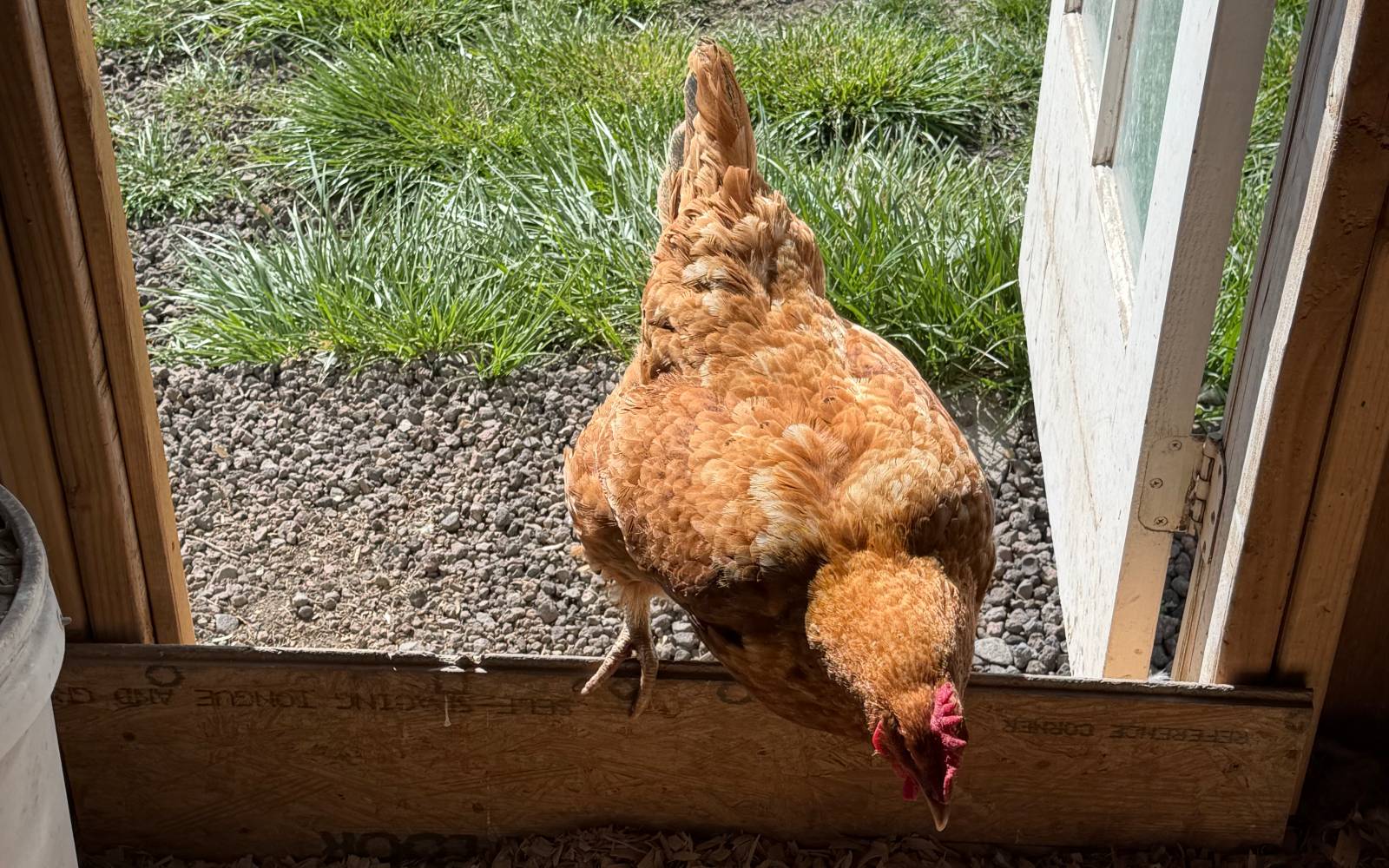
A run can look large on paper and still be half useless during wind. Chickens do not like standing in a blast all day. If the only dry feed spot is windy, they crowd somewhere else. If the dust bath is exposed, they quit using it. If the coop door faces the wrong direction, birds hesitate at the entrance and pile up where they should be moving.
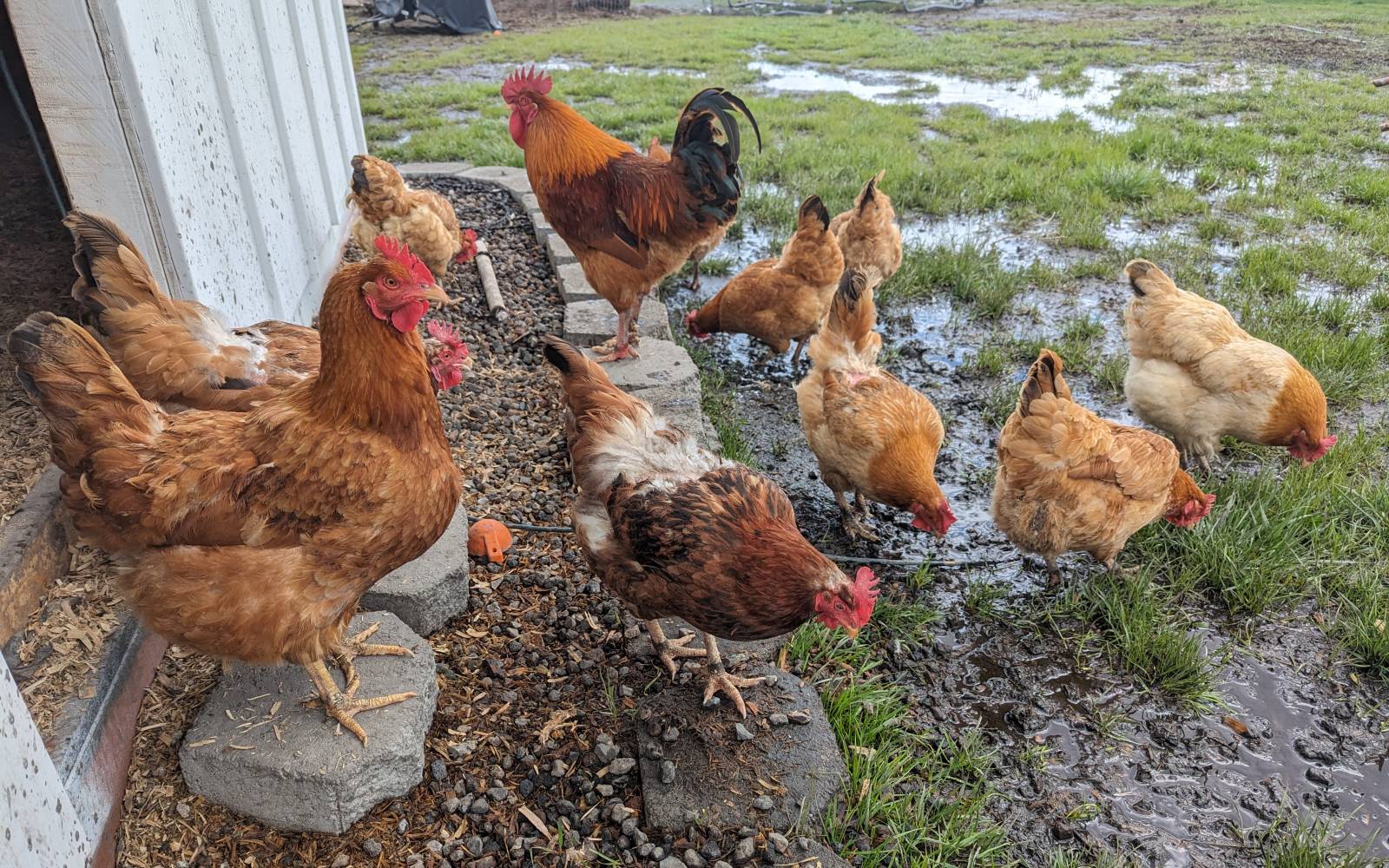
That is why I watch where they actually stand. The birds will show which corner is protected, which gap needs a windbreak, and which nice-looking area is only nice when the air is still.
Wind makes water and feed messier
Wind dries pans, chills water, blows bedding into fonts, tips light containers, and pushes dust into places that looked clean in the morning. In freezing weather it can turn a small water problem into the main chore of the day. In dry weather it can put dust on everything and make birds crowd the only calm area.
I like heavier waterers, protected feed locations, and a setup where I do not have to chase equipment across the yard. If a feeder needs a rock on top and a prayer every afternoon, it is not really working.
Shelter needs openings, not just walls
Blocking wind is not the same as sealing birds in a box. Chickens still need ventilation. The trick is to stop direct drafts at bird level while letting damp air leave the coop. A tight, wet coop is worse than a breezy dry one, but a roost line with wind cutting across it is bad planning too.
I pay attention to where the birds sleep on windy nights. If they avoid a roost, crowd into one corner, or wake with ruffled, damp-looking feathers, I look at the air path. Sometimes a small panel in the right place fixes more than a full rebuild.
Wind changes predator risk
After a windy day, I check fences, gates, netting, and anything that could have shifted. Wind can open a weak latch, push debris against fencing, or loosen overhead protection. It can also cover sound, which matters because chickens rely on hearing almost as much as seeing.
I do not assume the yard is secure because it was secure yesterday. A storm can move one board just enough to make a gap. That is the kind of thing you find either during a check or after you lose a bird. I prefer the check.
My wind routine
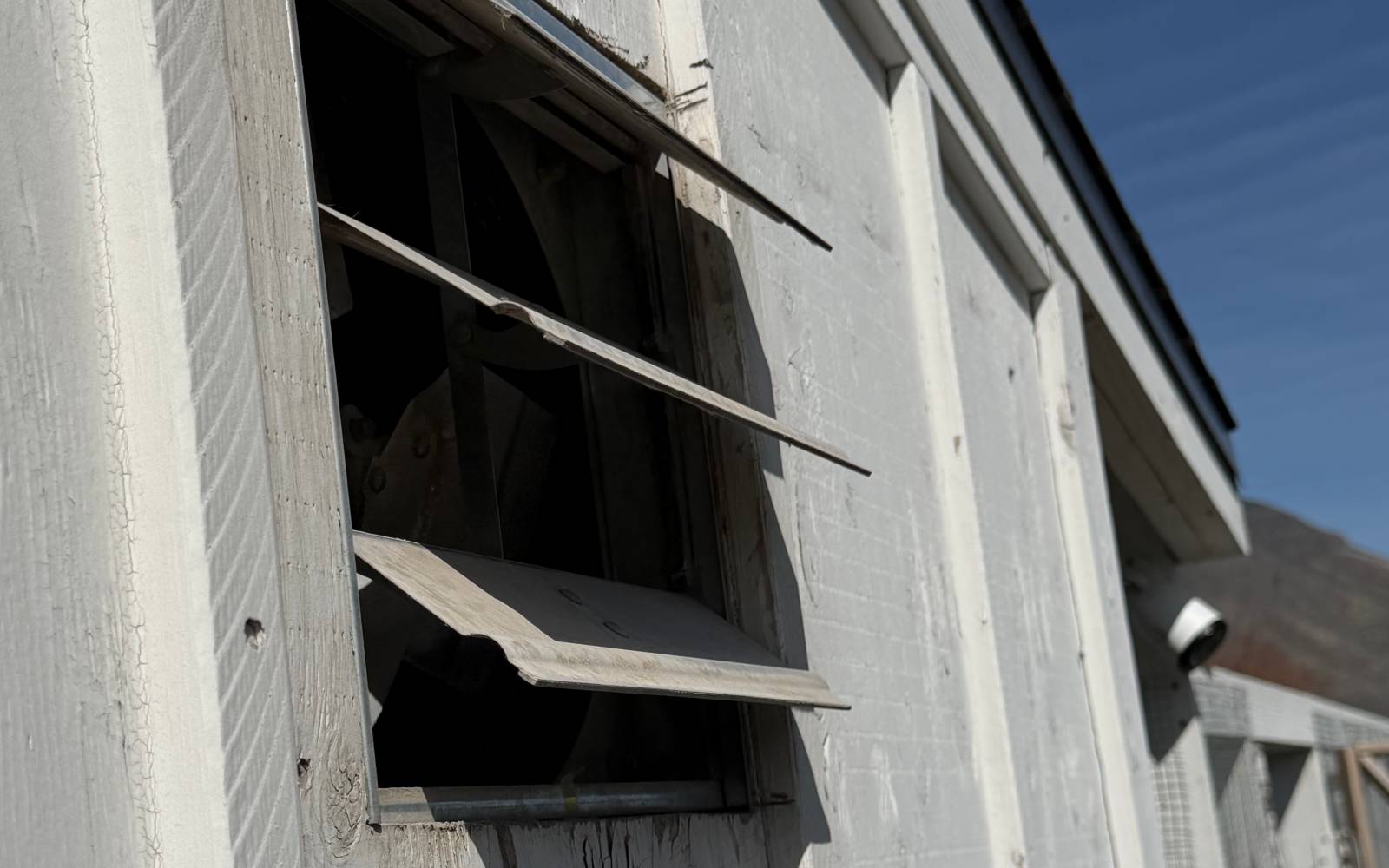
Before a windy stretch, I secure tarps, lower anything that can act like a sail, check latches, fill heavier waterers, and make sure feed is not sitting where dust will blow into it. After the wind, I walk the fence line and look for shifted panels, loose staples, lifted roofing, and birds acting reluctant to use a section of the yard.
The useful lesson is simple but not cute: wind turns small laziness into chores. If the setup works in wind, it usually works better in normal weather too.