Winter prep starts before the first frozen waterer
I do not wait for the first hard freeze to decide the chicken setup needs work. By then every small problem is cold, stiff, and annoying. I like to walk the yard before winter and look for the things I will hate dealing with in gloves.
The birds can handle cold better than many people think, but they handle it best when the coop is dry, draft paths are controlled, water is managed, and the flock is not crowded into a damp mess.
I check air before I check heat
Ventilation matters more than heat. A coop that traps moisture can give birds frostbite problems even when the temperature is not extreme. I want damp air leaving above the birds, not wind cutting across them on the roost.
I stand inside if I can and look at where air enters and exits. If bedding smells sharp, windows sweat, or feathers feel damp, the coop is telling me something. Adding heat to a wet coop is not the first fix. Dry air is.
Roosts and feet get a close look
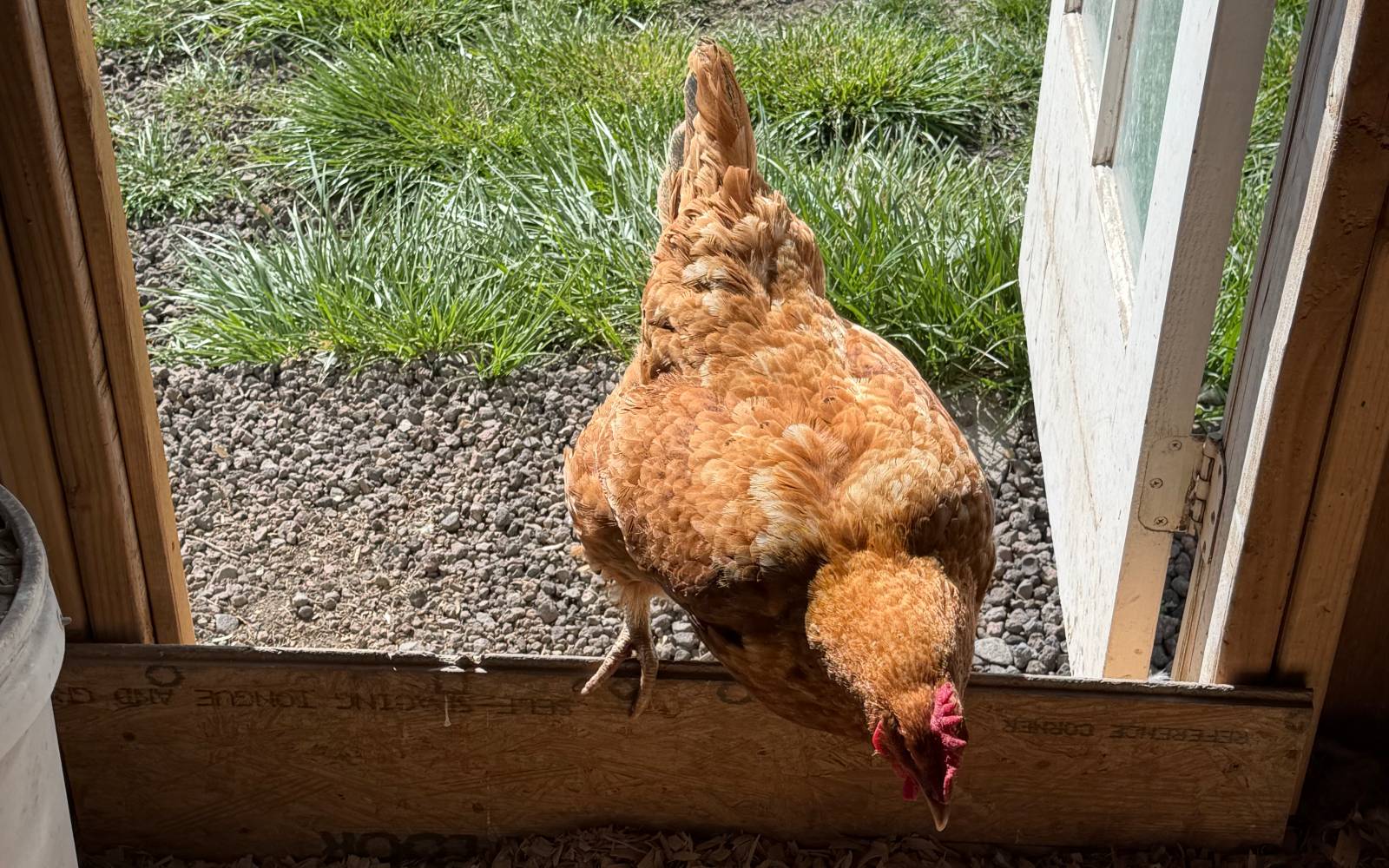
Before winter, I check roost width, height, stability, and landing areas. Birds should be able to cover their toes with their bodies while sleeping. They should not have to jump down onto ice, wet mud, or a pile of junk.
Older hens matter here. A roost that works for young birds may be hard on stiff birds. I like a lower option so an older hen can still sleep safely without being forced onto the floor.
Water is the chore that can ruin a morning
I decide how water will work before it freezes. That might be a heated base, heated bucket, rotating waterers, or a protected location that stays manageable. What I do not want is a daily fight with frozen plastic while the birds wait.
I also check cords, outlets, and placement. Electricity around animals and water needs to be boring and safe. No chewed cords, no sloppy extension cord mess, no waterer balanced where it will tip into bedding.
Feed and body condition matter before the cold
I want birds going into winter with decent body condition, not thin from molt or pushed away from feed. I feel a few birds along the breast if I am unsure. Feathers can hide a lot. A hen can look round and still be light under your hand.
I also watch whether low-ranking birds can eat. In cold weather, a bird that gets blocked from feed pays for it quickly. A second feeder can be cheaper than nursing a weak hen in January.
I fix mud and wind early
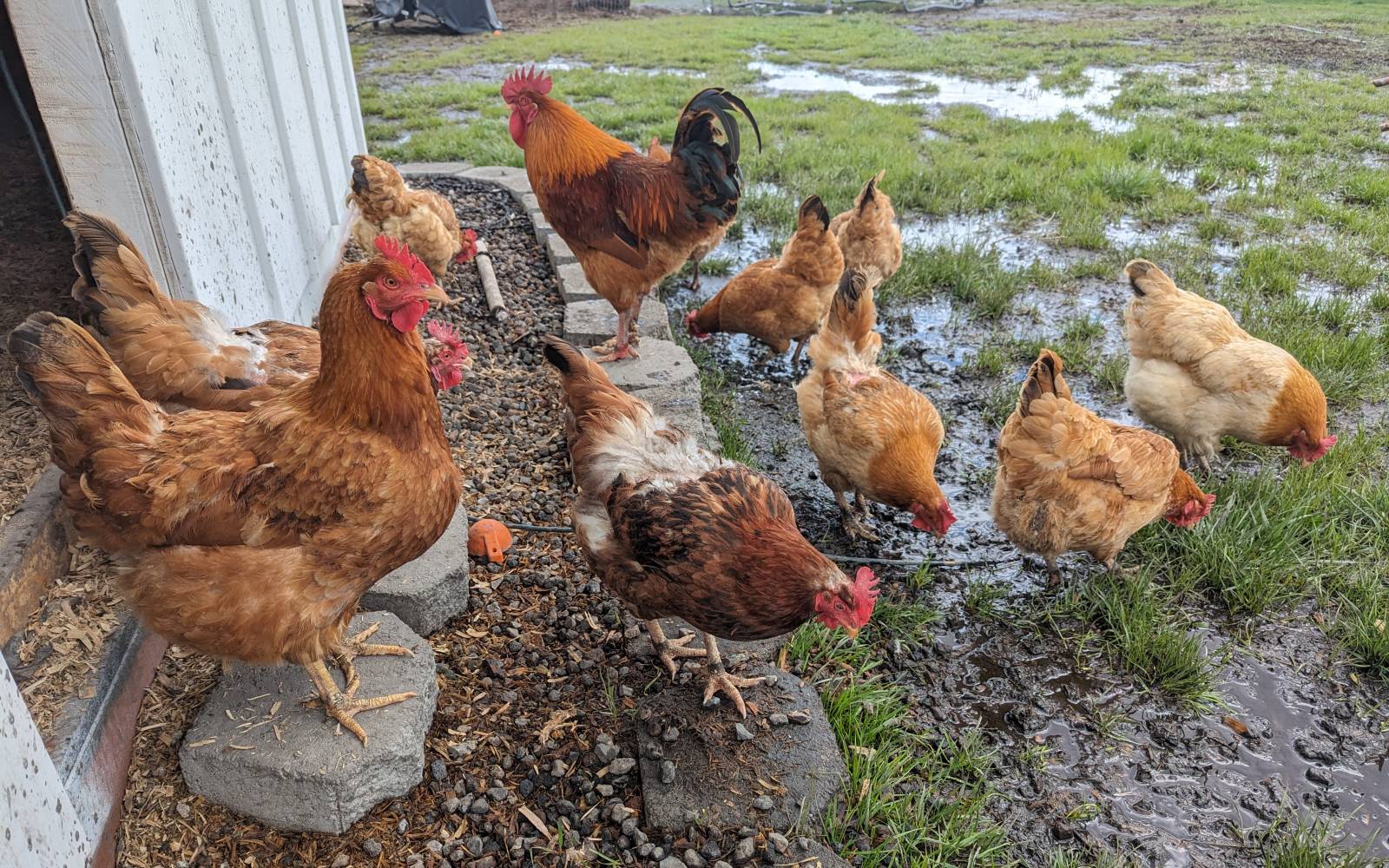
Mud near the coop door turns into frozen ruts, dirty feet, wet bedding, and eggs that look worse than they should. I add footing, drainage, bedding, gravel, pallets, or whatever makes sense before the mess hardens into the winter version of itself.
Wind gets the same treatment. I secure loose panels, add windbreaks where the birds actually stand, and remove anything that will flap all night. Chickens do not need a sealed room, but they do need a place to get out of direct weather.
My final winter walk-through
My last check is simple: dry coop, controlled drafts, working ventilation, usable roosts, reliable water, enough feed access, secure latches, predator protection, and a plan for snow or ice at the door. If those things are handled, winter becomes chores instead of emergencies.