The memorable ones changed the yard
The roosters I remember best are not always the prettiest ones. They are the ones that changed how the flock worked. A good rooster can make the hens move with more confidence, keep young birds closer, call them to feed, and put a little order into open space. A bad one can make every chore feel like entering a bad parking lot.
That is why roosters stick in my memory. Their behavior reaches into everything: chores, hen condition, noise, breeding, safety, and whether visitors can walk near the run without getting challenged.
The good ones had judgment
The best roosters were not fearless idiots. They knew the difference between a real threat and a normal chore. They watched me, but they did not attack me. They warned the hens, but they did not keep the flock in a constant panic. They bred hens, but they did not tear them up for sport.
Judgment is hard to describe until you see the opposite. A rooster with no judgment makes noise at the wrong things, ignores the right things, and turns his own energy into everyone else’s problem.
I remember the ones that fed hens first
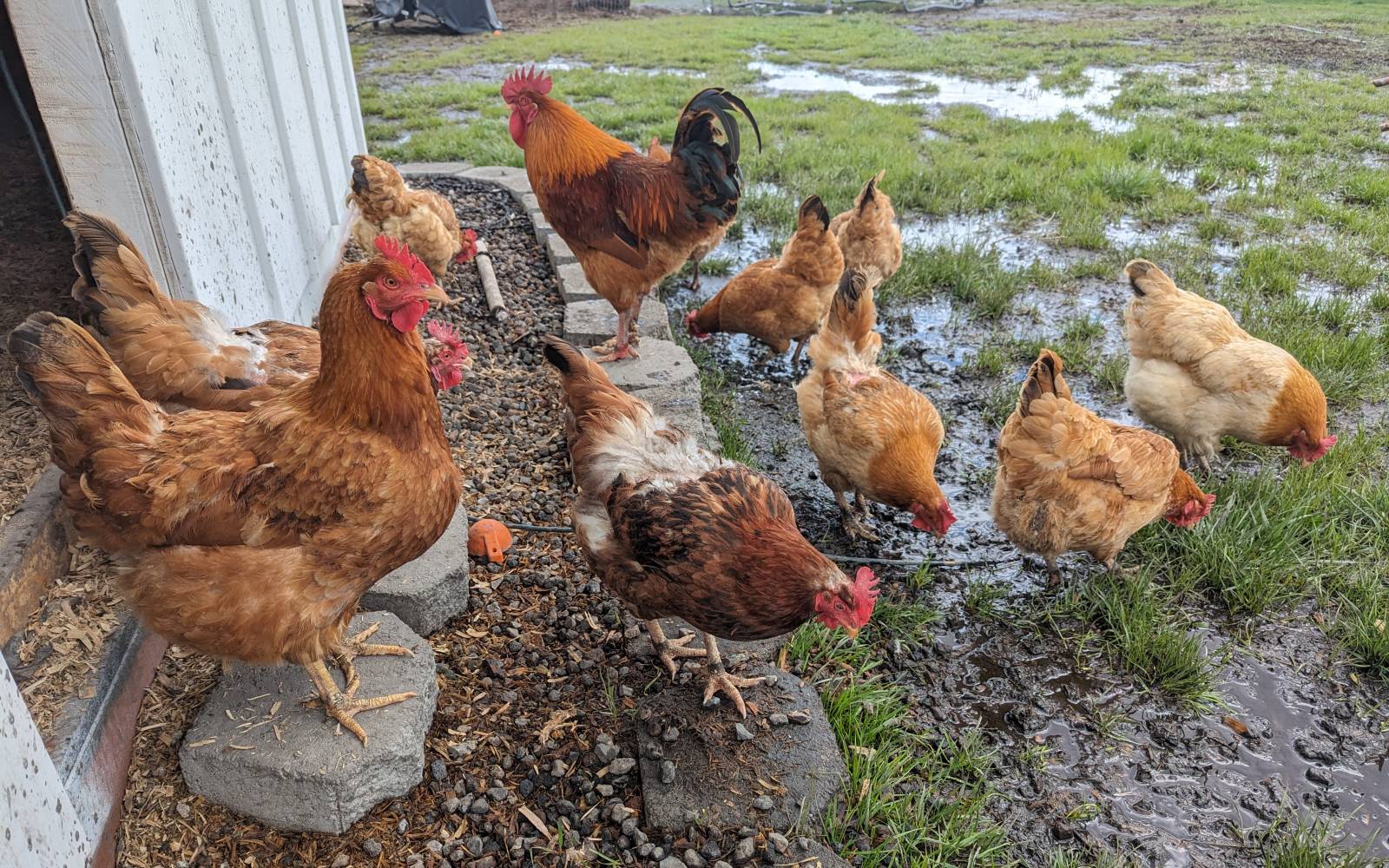
A rooster that finds food and calls hens over is doing one of the jobs I like to see. It does not have to be dramatic. A low call, a little pick-up-and-drop motion, and the hens coming over tells me he is thinking about the group.
That habit matters because it shows up in other ways. Roosters that share food well often manage space better too. Not always, but often enough that I notice it.
The bad ones taught lessons too
I remember the bad roosters because they made the lesson expensive. A rooster that attacks people is not charming. A rooster that overbreeds hens is not passionate. A rooster that chases pullets until they hide is not strong. Those are management problems with feathers.
The longer you excuse that behavior, the more normal it starts to feel. Then one day you realize you have changed how you walk through your own yard because of a bird. That is when the decision should already be made.
The rare one is calm and useful
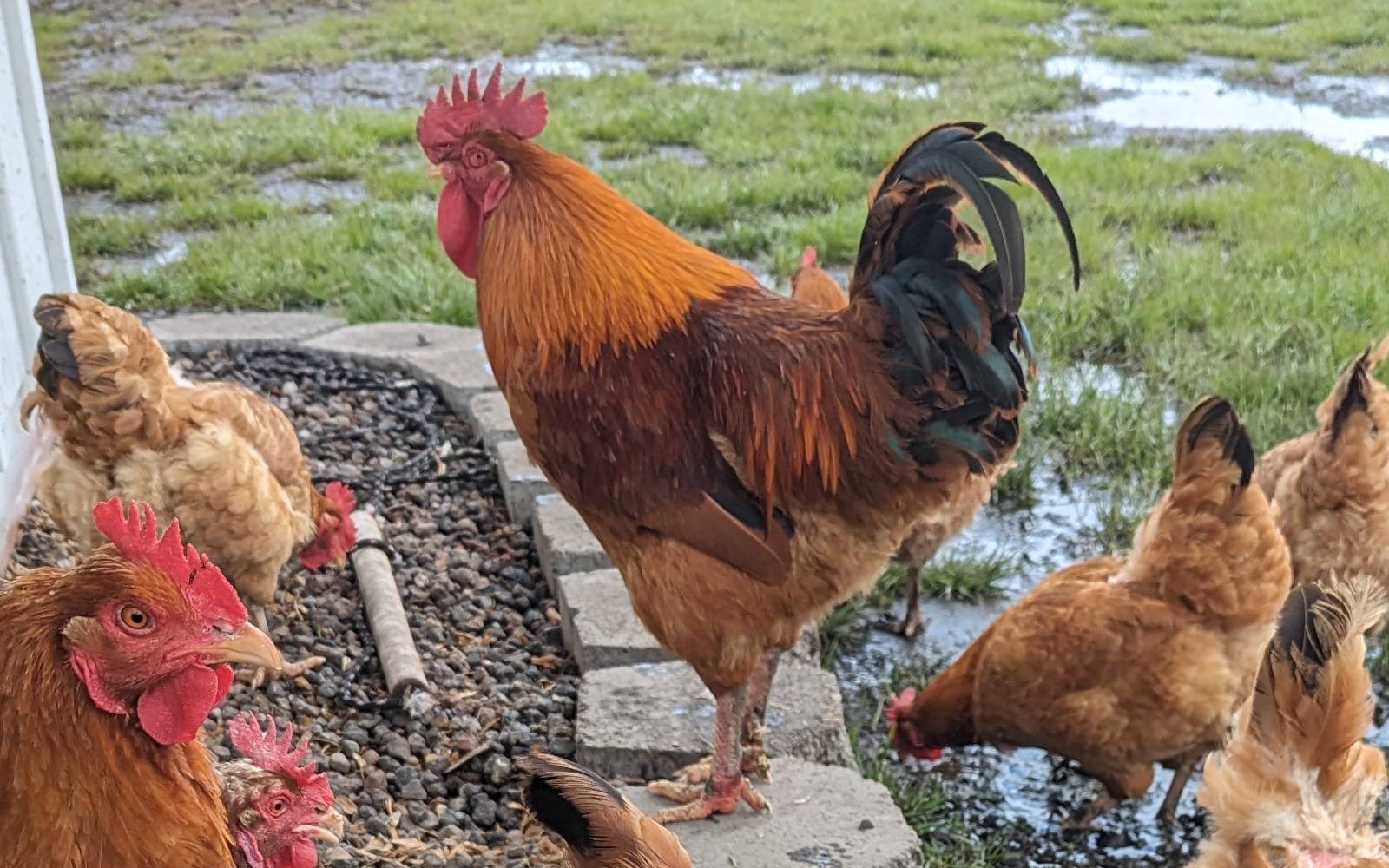
The rooster worth keeping is calm around people, serious about the flock, and not constantly proving himself. He moves hens without scattering them. He notices the sky. He gives pullets room. He does not spend the day fighting fences or challenging boots.
That kind of rooster is not guaranteed by breed. It is individual temperament plus age plus management. A good cockerel can still go through a stupid phase, but by maturity I want to see the bird he really is.
Why I remember them
I remember roosters because they make the flock feel different. Some made the yard safer. Some made it louder. Some made hens rougher. Some made chores easier. The ones worth remembering are the ones that added order without adding danger. That is a high bar, and it should be.