Free ranging is not one thing
People talk about free ranging as if it means the same setup everywhere. It does not. A fenced acre with cover, dogs, and a person home during the day is different from letting birds wander near a road, open pasture, or brushy predator corridor. The words sound simple. The risk is local.
I like birds having room to act like birds. I also know that every extra foot of freedom is more space to monitor. Free ranging is not automatically good management, and confinement is not automatically bad management. The question is whether the birds are safer and healthier in the actual setup you have.
What I like about it
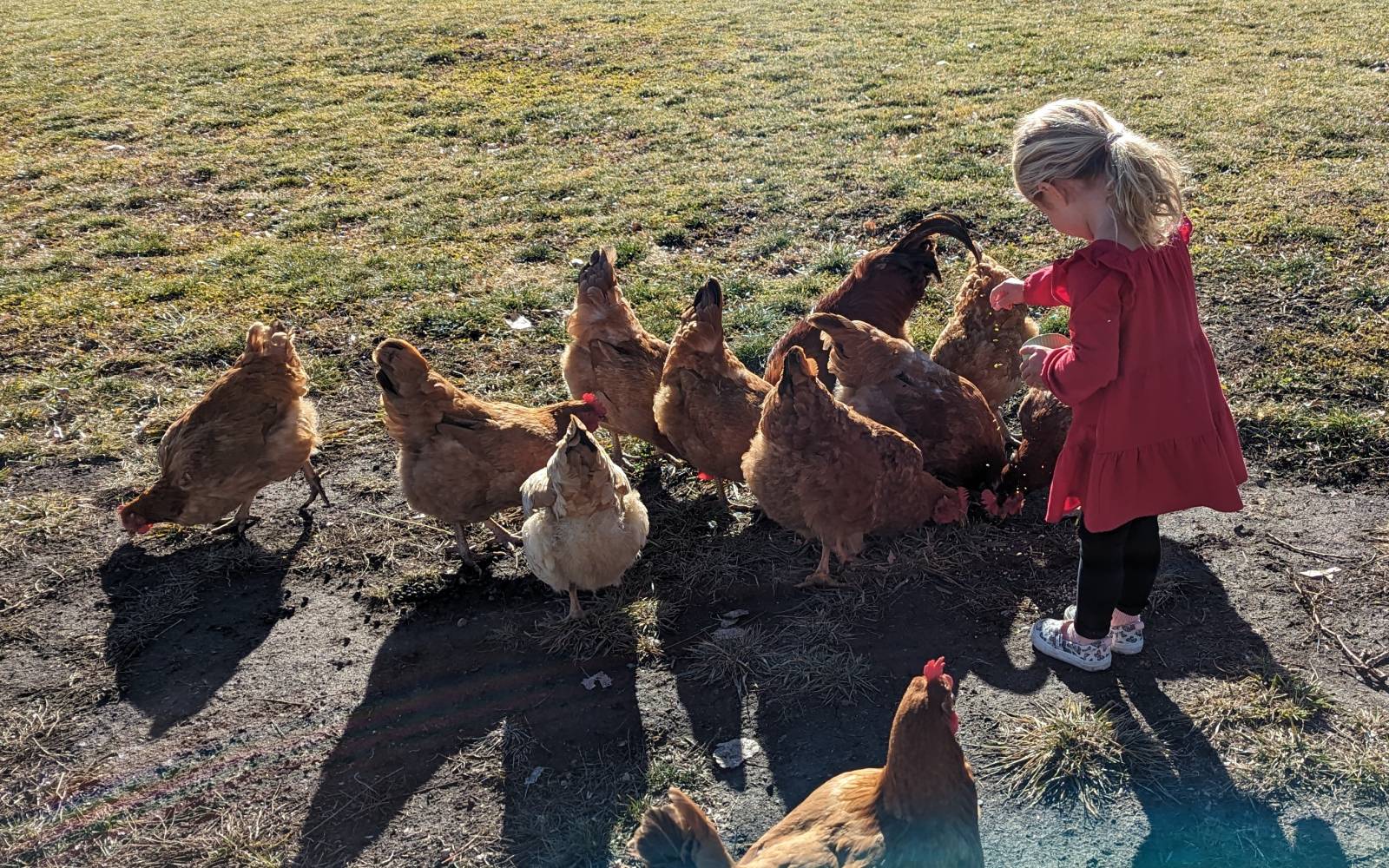
When it works, free ranging gives chickens exercise, forage, dust, sun, shade choices, and more normal flock movement. They scratch through leaves, break down kitchen scraps faster, spread manure, and find little bits of feed no person would bother placing for them. The eggs may not magically become perfect, but the birds often look busier and more settled.
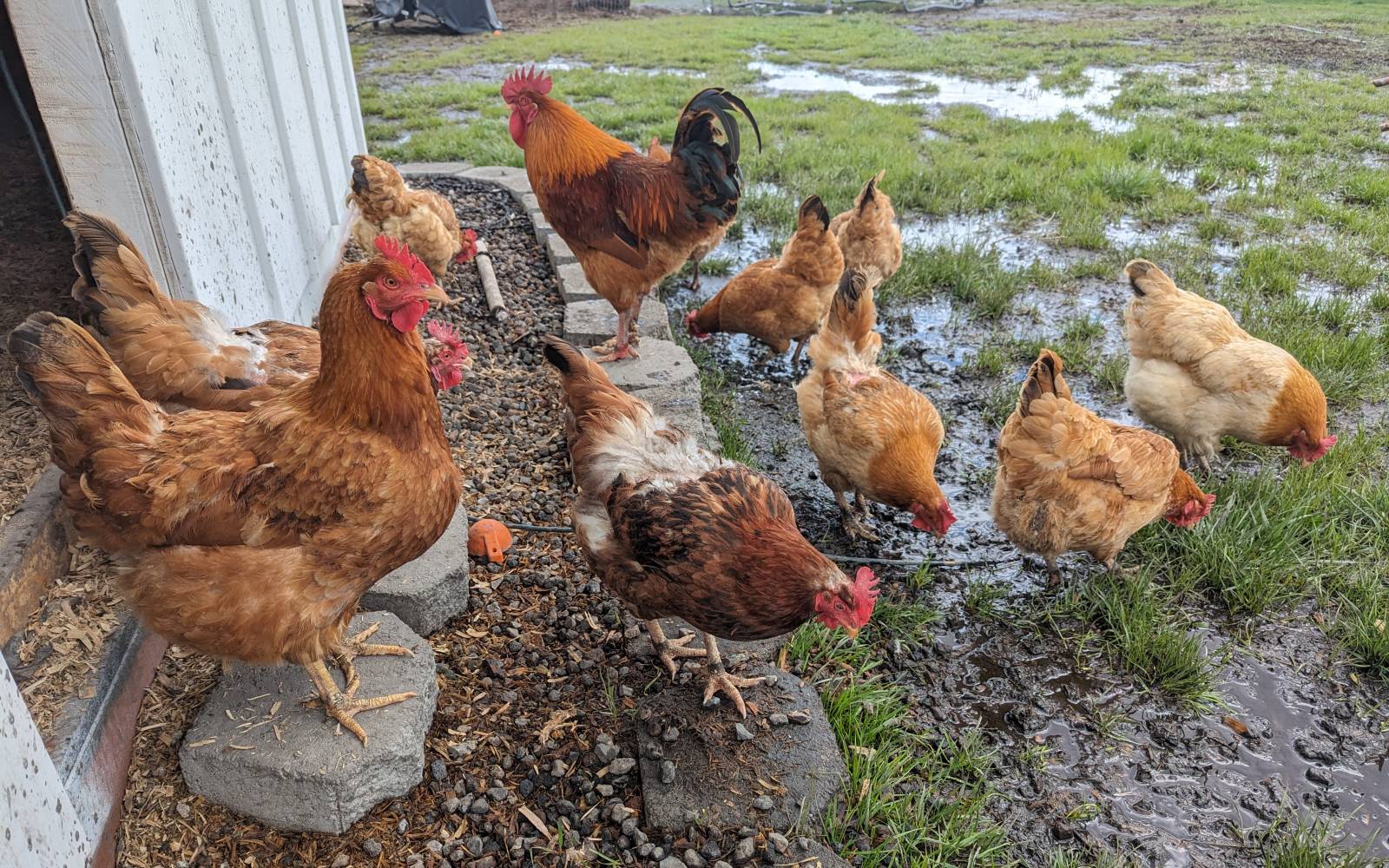
I also like what it teaches me. A flock spread out on the property shows you who ranges far, who stays near cover, who follows the rooster, who gets lost, and who is too bold for her own good. Those details help with management.
What I do not like about it
Predators are the obvious problem, but they are not the only one. Free ranging also means hidden nests, scratched mulch, droppings where you do not want them, garden damage, birds on porches, and the occasional hen that thinks the road shoulder looks interesting.
The frustrating part is that free ranging can work perfectly until the day it does not. A hawk that ignored the yard all spring may show up in fall. A neighbor dog may get loose once. A fox may find the routine. That does not mean free ranging is impossible. It means the system needs margins.
How I decide when to let them out
I am more comfortable free ranging when I am home, visibility is good, the birds have cover, and they return to the coop reliably. I am less comfortable during heavy predator pressure, deep snow, high wind, new pullet introductions, or when I know I will not be around to notice trouble.
Time of day matters. Late afternoon ranging can work well because birds are already thinking about the coop. All-day ranging gives more freedom but also more hours for something to go wrong. I would rather start with short windows and expand than throw the doors open and hope the flock teaches itself.
Cover is what makes range useful
Open ground is not the same as good range. Chickens need shrubs, panels, trees, equipment, or other cover close enough that they can duck under it when the sky changes. A bare lawn may look pleasant to us, but to a chicken it can be a dining room with no roof.
I watch how far the flock is from cover. If they spend the whole time tight to the coop, the rest of the yard may not feel safe to them. If they spread out too far and ignore warning calls, that is a different problem. The goal is not maximum distance. The goal is useful movement.
My current view
I like controlled free ranging. I like birds out when conditions make sense and contained when the risk is too high. That may not sound romantic, but it keeps more birds alive. A flock does not benefit from freedom it cannot survive.