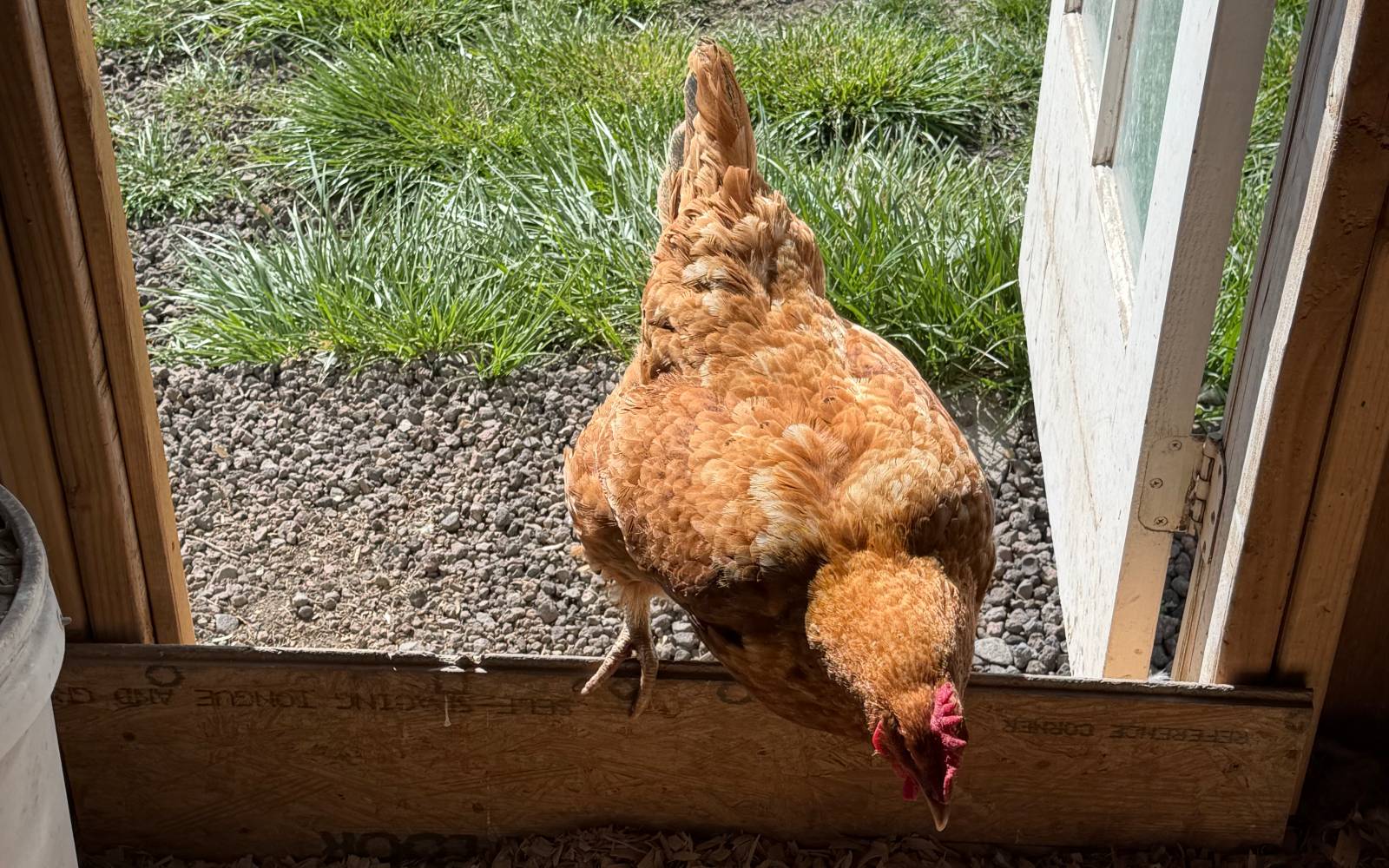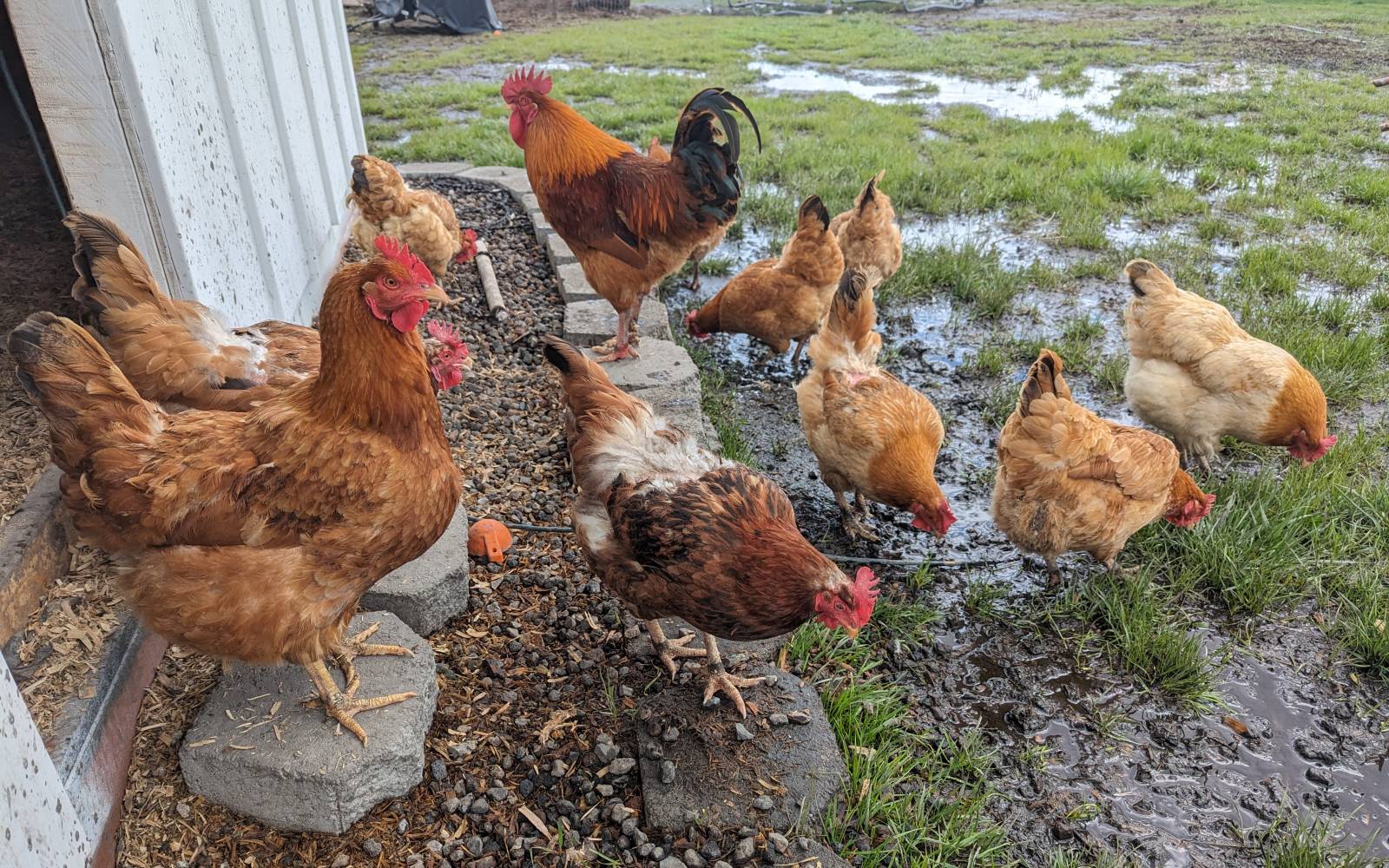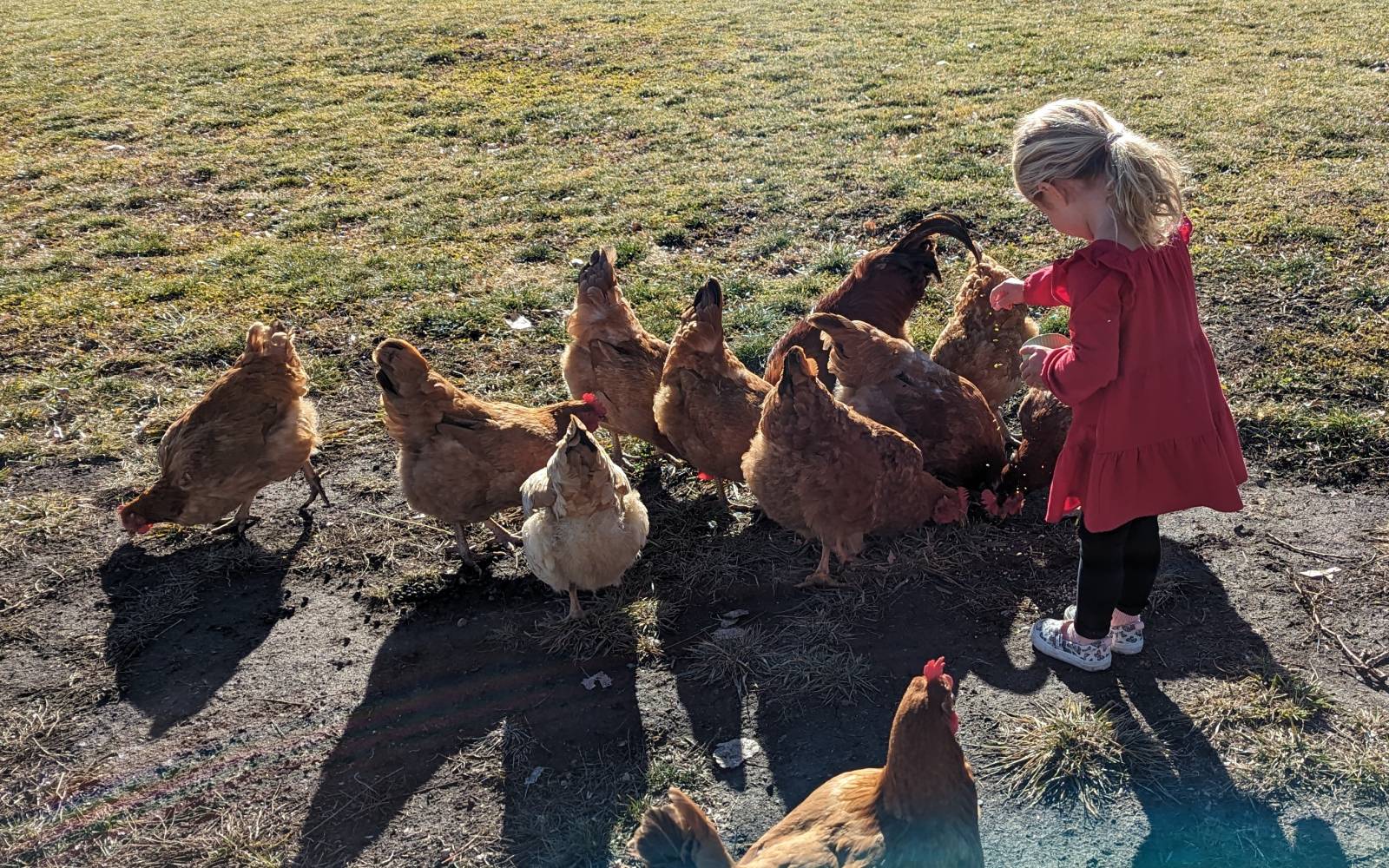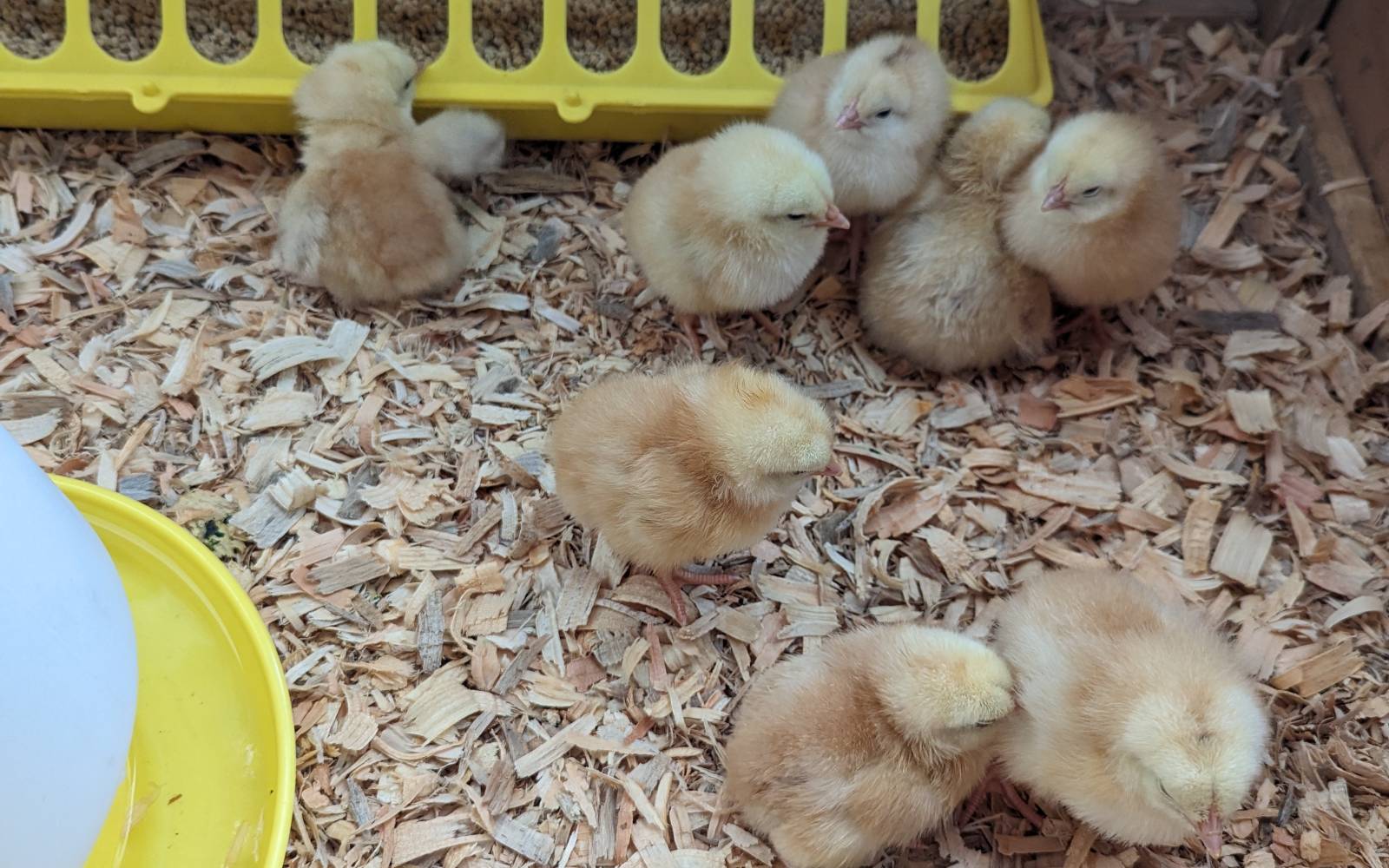
Pullets are not ready just because they have feathers
A pullet can look grown and still be socially useless in an older flock. Size matters, but so does confidence, speed, and whether she knows how to move away without trapping herself in a corner. I do not like throwing young birds into an established group and calling the chaos natural.
Pecking order is real, but bad introductions create extra stress. My goal is not to prevent every peck. My goal is to prevent panic, injury, and young birds getting blocked from feed, water, and the coop.
Step one is a side pen
I start with a see-through barrier. The pullets live where the older birds can see them but not hammer them. A wire divider, adjacent run, or temporary pen works if it is secure. I want several days of boring exposure before anybody shares space.
During this time I watch the older hens. A little interest is normal. Birds pacing the fence, charging constantly, or trying to fight through the wire tell me the first loose meeting should be short and supervised.
Step two is shared space with escape routes
When I start mixing, I want more than one feeder, more than one water spot, and obstacles that break line of sight. A flat empty run is bad for introductions because a pullet can be chased forever. Boards, panels, shrubs, crates, or low barriers give young birds a way to step out of pressure.
I do not want hiding places that become traps. A pullet needs two ways out. If she can wedge herself behind something and get cornered, that is not an escape route.
Step three is short sessions before full days
I like short supervised sessions first, often late in the day when everyone is less ambitious. If the pullets can move around, eat, and retreat without getting pinned, I extend the time. If one older bird is relentless, I deal with that bird instead of blaming the pullets.
The first good sign is not friendship. It is boredom. Older hens stop caring so much. Pullets learn where to stand. Everyone starts doing normal chicken things in the same space.
Step four is watching roost time
Roost time is where introductions can fall apart. A pullet may spend all day fine and then panic at dusk because she cannot get past older hens at the coop door. I watch the evening routine closely for several nights.
Sometimes I place pullets on the roost after dark for a few nights. Sometimes I give them a lower roost or a separate entry path. I do what works, but I do not ignore dusk. A bird sleeping outside because she got blocked from the coop is not learning. She is being set up for predators and cold.
Step five is knowing when to intervene
I allow pecks, chasing, and normal rank-setting. I do not allow blood, pinning, repeated attacks, or young birds being kept from feed and water. If a pullet is hiding all day, losing weight, or not entering the coop, the introduction is not working yet.
The fix may be more time behind wire, more space, more feeders, more cover, or removing one bully for a few days. The answer is rarely to just wait while a young bird gets run down.
My simple schedule
My usual schedule is one to two weeks side by side, then short shared sessions, then longer shared days, then supervised evenings until roosting is normal. Some groups move faster. Some need more time. The flock decides the pace more than my calendar does.
A clean introduction is not when every bird likes every other bird. It is when the pullets can eat, drink, move, roost, and live without constant pressure. That is the standard I use.