The flock usually changes before one bird looks terrible
A sick bird can hide trouble for a long time. That is why I do not wait for a hen to look awful before I pay attention. The flock often changes first. The noise is different, the spacing is different, the feeding rhythm is different, or one bird is not where she normally is.
The useful skill is knowing the normal pattern well enough to see the small break in it. Not because I am mystical about chickens, but because chores done the same way every day give you a baseline.
I start with movement
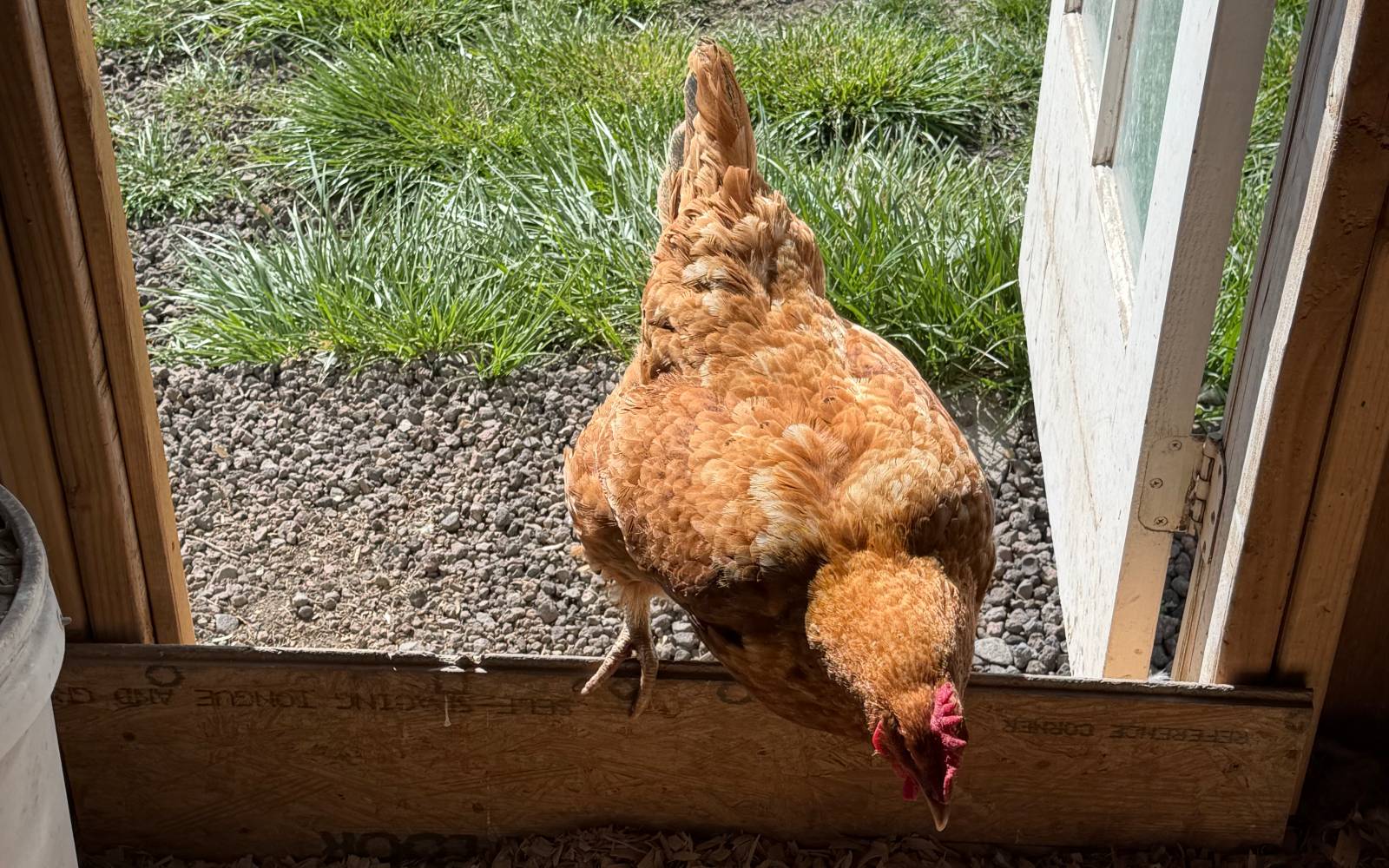
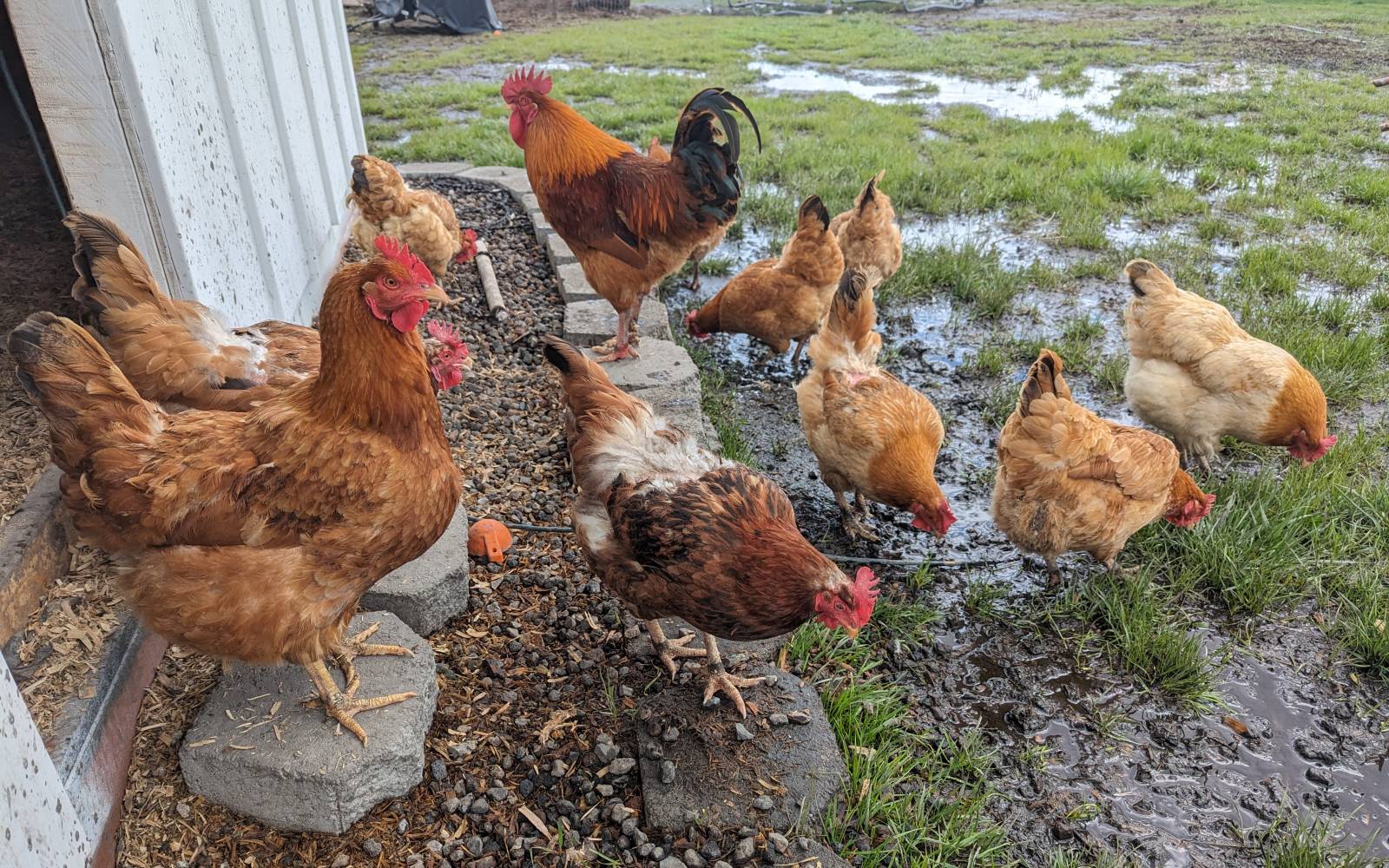
When I open the coop, I watch who comes out and how. Healthy birds usually move with purpose. They may not all run, but they have a plan: feed, water, dust bath, sun, shade, or whatever corner they like. A bird that hangs back, walks slowly, stands with her head tucked, or lets others bump her without reacting gets my attention.
I also watch the flock shape. If birds are bunched in a strange place, avoiding one corner, refusing to enter the coop, or staying far from a feeder they normally use, I assume the environment may be part of the problem. Sometimes the issue is not disease. It is wind, mud, a predator scare, a new bully, or a waterer that is not working.
Feed and water tell on them
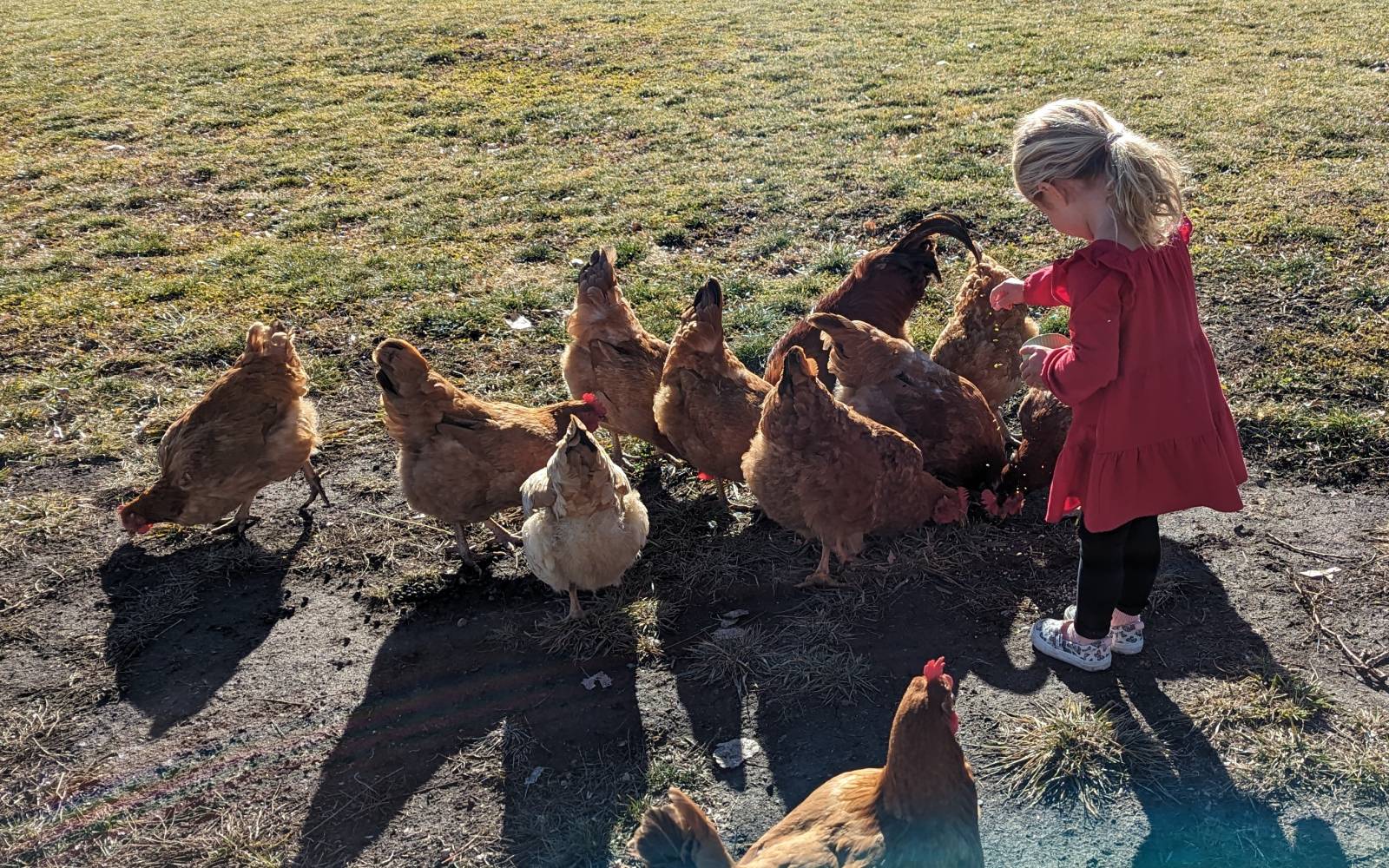
A flock that eats differently is worth watching. If everyone rushes feed except one bird, I want to know why. If nobody is drinking much on a hot day, I check the water before I start inventing theories. If a hen stands at the feeder but does not actually eat, that is different from a hen who is simply lower in the pecking order.
The details matter. Empty crop at night, sour smell, weight loss along the breast, pale comb, loose droppings, dirty vent, or a bird repeatedly pushed off feed all point in different directions. I do not diagnose from one sign, but I do not ignore a pattern.
Noise can be information
Chickens make plenty of useless noise, but a flock has a normal sound. There is the feeding chatter, the egg song, the irritation around a nest box, the alarm call, and the low busy sound of birds scratching. When the yard is too quiet or too sharp, I look around.
A sudden alarm may be a hawk, dog, cat, snake, or a plastic bag moving in the wrong way. Constant nervous calling may mean the birds do not feel safe in a part of the run. Repeated complaining from the coop may mean a nest box fight, a blocked doorway, or a hen that cannot get where she wants to go.
Droppings, feathers, and eggs are part of the check
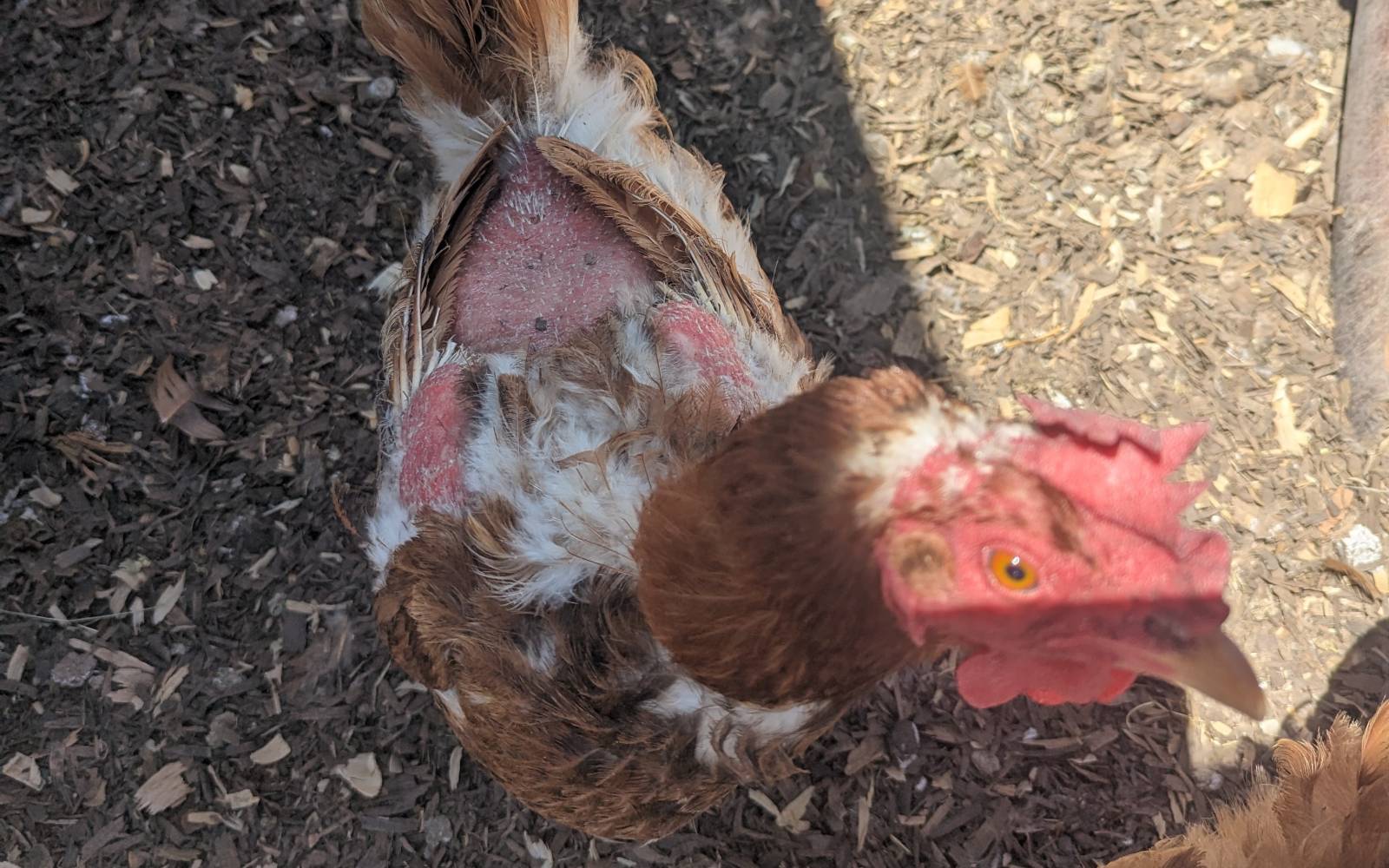
I look at the ground more than I used to. Droppings do not have to be perfect, but a big change in color, wateriness, blood, worms, or an unusual smell is information. Feather loss can be molt, rooster wear, mites, picking, or stress. Egg changes can point to age, heat, calcium, stress, or illness.
The mistake is treating every sign by itself. A soft egg from one older hen during heat is one thing. Soft eggs from several birds, pale combs, and a drop in appetite is another. The flock context matters.
My first response is simple
Before I panic, I check water, feed, weather, predator signs, and whether anything changed in the setup. Then I isolate the bird if I need a closer look. I feel the breast, check the vent, look at eyes and nostrils, inspect feet, check for mites at night if I suspect them, and watch whether she eats when pressure from the flock is removed.
That short separation tells me a lot. A bullied or weak bird may eat immediately when alone. A truly sick bird may not. Either way, I get better information than I would by staring at her from across the yard while twenty other chickens run around.
The value of daily normal
The reason to watch the flock is not to become nervous about every feather. It is to avoid missing the obvious thing that was only obvious in hindsight. When I know what normal looks like, I can step in earlier and more calmly. That is better for the birds and easier on me.