Selling eggs changes the way you look at the flock
The first dozen eggs you sell feels simple. Somebody wants eggs, you have eggs, and a carton leaves the porch. Then you realize the eggs are not the hard part. The hard part is having the right number of clean eggs, in decent cartons, at the time people expect them, without promising more than the hens can actually produce.
That sounds obvious now, but it was not obvious when I started. A small flock can swing hard. One week the counter is full. The next week the weather changes, a few birds molt, one hen goes broody, and suddenly you are counting eggs like a nervous accountant.
I learned not to promise steady supply too early
I do not like selling eggs as if I run a grocery store. A backyard flock is not a shelf with inventory behind it. Before I tell someone they can count on eggs every week, I want to know what my flock does through hot weather, short days, molt, and the odd week when everybody decides the nest boxes are optional.
The better way is to start loose. Tell people you have eggs when you have eggs. Keep a short list. Do not build a customer list bigger than your hens can support. It is much easier to tell someone you have an extra dozen than to apologize every Friday because the birds did not cooperate.
Clean eggs start before the egg is laid
The nest box matters more than people think. If the bedding is dirty, if hens sleep in the boxes, if mud gets tracked in, or if too many hens fight over one favored box, the eggs are going to show it. Washing every egg because the setup is dirty is not my idea of efficiency.
I try to fix the cause. Enough nest space, clean bedding, no sleeping in the boxes, and collecting eggs often during muddy or freezing weather does more than any carton label. Customers notice clean eggs. They may not say much, but they notice.
Cartons, labels, and small details
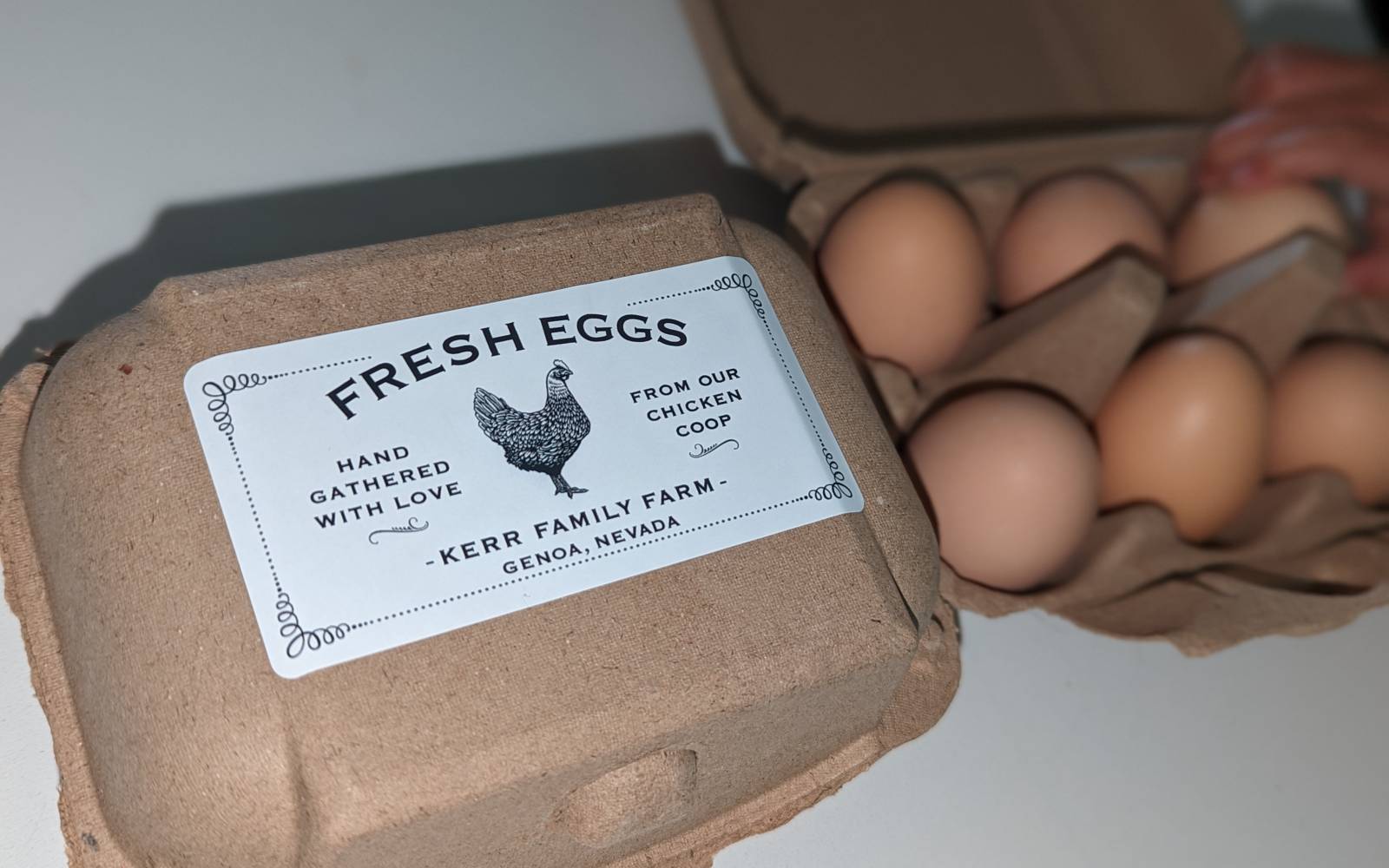
Egg cartons become their own little chore. New cartons look cleaner and more professional, but they cost money. Reused cartons can be fine if they are clean and legal for your area, but I do not like handing someone a carton that looks like it lived under a truck seat. The container changes how people see the eggs.
I also like simple labels with a name, contact information if needed, and a date. I do not overdo the farm romance. People mostly want to know the eggs are fresh, local, and handled by someone who pays attention.
Pricing has to include more than feed
A dozen eggs is not just feed divided by eggs. There are cartons, bedding, grit, calcium, waterers, winter slowdowns, broken eggs, predator protection, and the time spent keeping the setup clean. If you price too low because you feel awkward charging neighbors, you train everyone to think your work is cheaper than it is.
I am not saying every backyard flock needs a business plan. I am saying the eggs should not make the whole thing feel foolish. Even if you are only offsetting feed, be honest about what it costs to produce a clean dozen.
My rule now
I sell eggs only at a pace the flock can support without making me resent the birds. That is the part I wish I had understood earlier. The flock comes first, then the eggs, then the customer list. When I keep that order straight, egg selling stays useful instead of becoming another chore I accidentally invented for myself.