Seasonal care · Guide 10
Winter chicken care without sealing the coop shut
Manage moisture, drafts, water, bedding, comb exposure, and winter laying without turning the coop into a damp fire hazard.
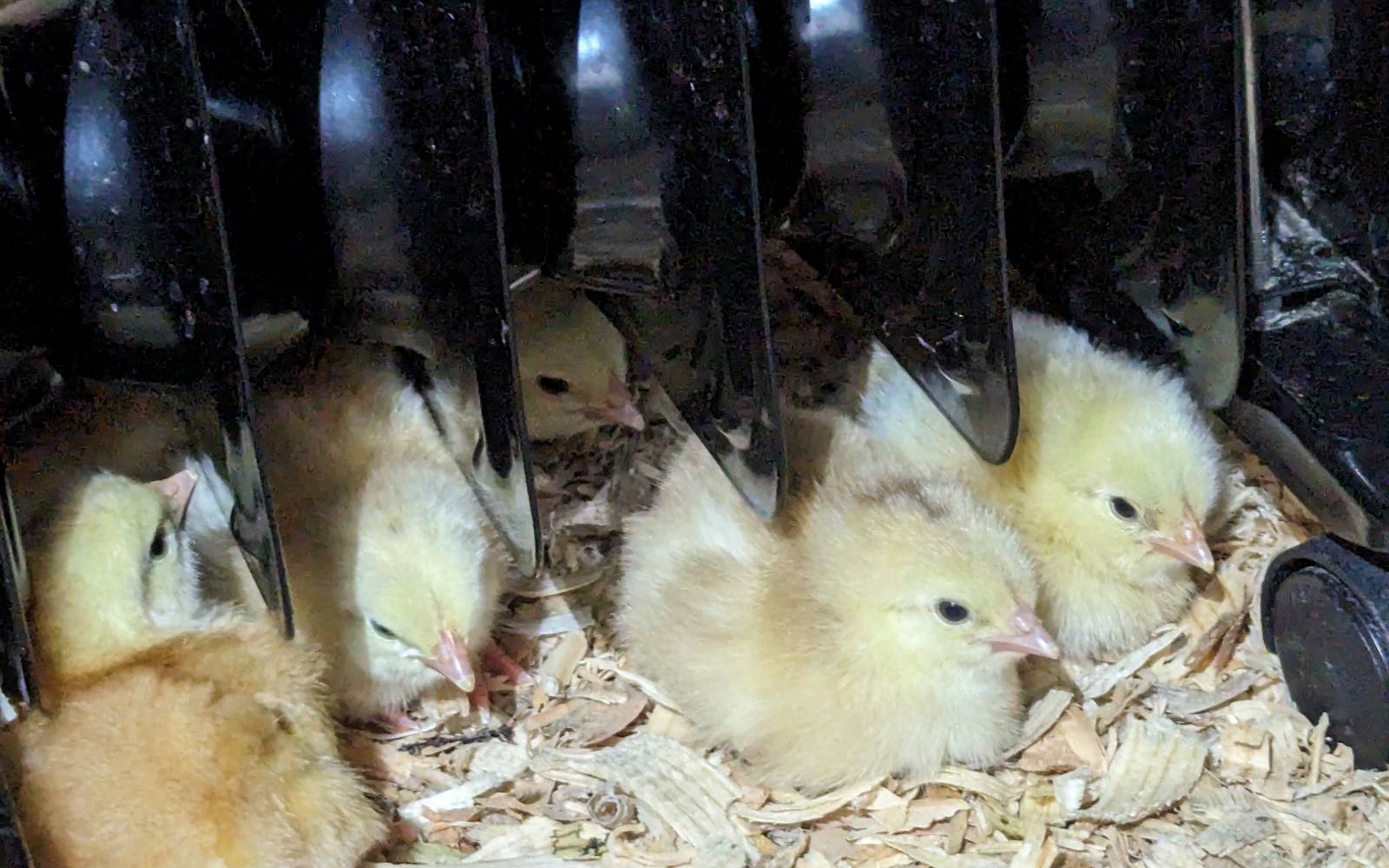
Keep the roost out of direct drafts while maintaining high ventilation; dry air and liquid water matter more than heating a healthy adult flock.
Moisture is the winter enemy
Adult, fully feathered chickens tolerate cold better than a damp, ammonia-heavy coop. Every bird adds moisture through breathing and droppings. If that moisture cannot leave above the roost, it condenses on walls, wets litter, and increases frostbite risk.
Keep vents open above bird height and block direct wind across the roost. If windows drip, bedding clumps, or the coop smells sharp in the morning, remove wet material and improve air exchange rather than sealing gaps indiscriminately.
Keep water available without creating a hazard
Check water at least morning and evening during freezing weather. Heated bases and heated poultry waterers can work when they are listed for the purpose, kept on stable noncombustible surfaces, and connected with protected outdoor-rated equipment.
Do not run household extension cords through bedding or rely on open heat lamps. Dust, dry litter, and improvised wiring are a dangerous combination.
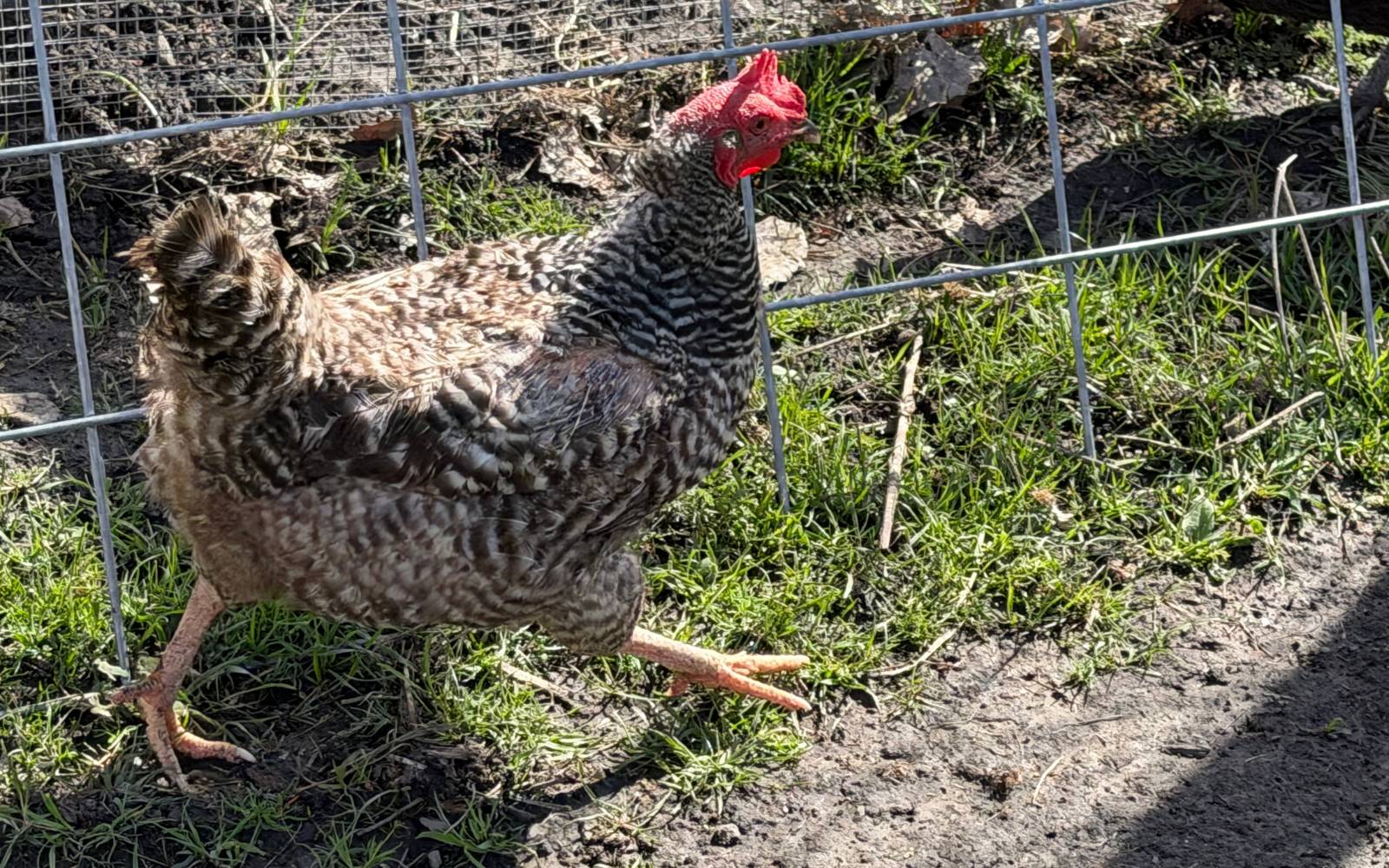
Set the roost up for cold nights
Use a broad wooden roost that lets birds cover their toes while resting. Give every hen enough space to settle without sleeping in nest boxes or being pushed onto the floor.
Large combs and wattles are more exposed to frostbite. Reduce moisture and direct wind first. Check birds at dawn for pale, swollen, or damaged tissue and contact a veterinarian for significant injury.
Decide whether winter eggs are a goal
Short day length and molt naturally reduce laying. Supplemental light can support winter production, but it should be added gradually on a timer in the morning, never eliminate the dark rest period, and never exceed 16 total hours of light.
There is no requirement to light a backyard flock. Allowing a seasonal slowdown is a valid choice. Whichever approach you use, keep feed complete, collect eggs before they freeze, and avoid sudden changes to the lighting schedule.
Winter prep starts before the first frozen waterer
I do not wait for the first hard freeze to decide the chicken setup needs work. By then every small problem is cold, stiff, and annoying. I like to walk the yard before winter and look for the things I will hate dealing with in gloves.
The birds can handle cold better than many people think, but they handle it best when the coop is dry, draft paths are controlled, water is managed, and the flock is not crowded into a damp mess.
I check air before I check heat
Ventilation matters more than heat. A coop that traps moisture can give birds frostbite problems even when the temperature is not extreme. I want damp air leaving above the birds, not wind cutting across them on the roost.
I stand inside if I can and look at where air enters and exits. If bedding smells sharp, windows sweat, or feathers feel damp, the coop is telling me something. Adding heat to a wet coop is not the first fix. Dry air is.
Roosts and feet get a close look
Before winter, I check roost width, height, stability, and landing areas. Birds should be able to cover their toes with their bodies while sleeping. They should not have to jump down onto ice, wet mud, or a pile of junk.
Older hens matter here. A roost that works for young birds may be hard on stiff birds. I like a lower option so an older hen can still sleep safely without being forced onto the floor.
Water is the chore that can ruin a morning
I decide how water will work before it freezes. That might be a heated base, heated bucket, rotating waterers, or a protected location that stays manageable. What I do not want is a daily fight with frozen plastic while the birds wait.
I also check cords, outlets, and placement. Use equipment rated for the location, keep connections dry, protect cords from pecking and rodents, and place the waterer where a spill cannot soak bedding or electrical parts.
I fix mud and wind early
Mud near the coop door turns into frozen ruts, dirty feet, wet bedding, and eggs that look worse than they should. I add footing, drainage, bedding, gravel, pallets, or whatever makes sense before the mess hardens into the winter version of itself.
Wind gets the same treatment. I secure loose panels, add windbreaks where the birds stand, and remove anything that will flap all night. Chickens do not need a sealed room, but they do need a place to get out of direct weather.
Use a morning moisture inspection
Enter the coop before opening it fully and note odor, condensation, frost on fasteners, damp feathers, and the feel of litter beneath the roost. A sharp ammonia smell or wet surfaces mean the balance among birds, ventilation, and bedding is wrong even if the coop feels warm.
Remove wet litter immediately and trace the source. Leaking waterers, snow tracked through a doorway, blocked high vents, and too many birds in too little space require different fixes. Adding dry bedding on top without correcting the source hides the problem for a day.
- Look above and behind the roost
- Feel litter at floor level, not only the surface
- Check water equipment for slow leaks
- Confirm vents remain open after wind or snow
Plan for power and water failures
Keep enough containers to carry a full day's water if heated equipment fails. Know which outlet and breaker serve the coop and inspect plugs for warmth, discoloration, or damage. Use only equipment listed for the environment and keep connections out of litter and away from pecking birds.
A cold snap is not the time to introduce an untested heat lamp. Fully feathered adult chickens in a dry, sheltered coop generally need protection from wind and moisture more than room heat. Chicks, sick birds, and breeds poorly suited to cold require separate judgment and often a different enclosure.
- Store a spare unfrozen waterer indoors
- Keep a flashlight and headlamp by the exit
- Test automatic doors after ice or snow
- Arrange backup care before roads become difficult
Check feet, combs, and flock access
Watch birds leave the roost. Reluctance to walk, repeated lifting of a foot, pale or swollen comb tissue, or a hen staying behind deserves a closer look. Clear ice from the route to water and provide dry footing so birds are not forced to choose between drinking and standing in slush.
Long confinement increases social pressure. Add visual barriers and duplicate feeding locations, and make sure older or timid hens can reach both. Winter management is successful when the flock stays dry, mobile, and able to use resources, not when the coop reaches a particular indoor temperature.
Decision table
What to do with what you see
| Signal | Check next | Response |
|---|---|---|
| Condensation above roost | High vents, bird density, and wet litter | Increase moisture removal without drafting the roost |
| Repeated frozen water | Capacity, heater, outlet, and check frequency | Use a tested backup and shorten intervals |
| Pale or swollen comb tips | Moisture, wind exposure, and tissue condition | Correct housing and seek advice for significant damage |
At the coop
Inspection checklist
- Look above and behind the roost
- Feel litter at floor level, not only the surface
- Check water equipment for slow leaks
- Confirm vents remain open after wind or snow
- Store a spare unfrozen waterer indoors
- Keep a flashlight and headlamp by the exit
- Test automatic doors after ice or snow
References
- Penn State Extension: Small Scale Poultry Housing
- Penn State Extension: Artificial Lighting for Winter Egg Production
Checked August 30, 2026 · How sources are chosen
Breathing difficulty, uncontrolled bleeding, inability to stand, neurological signs, severe injury, or rapid decline require prompt professional care.