Health · Guide 05
A two-minute daily health check for every hen
Learn the normal signals of movement, appetite, posture, breathing, and droppings so small changes stand out sooner.
Know each bird's normal behavior. A change in posture, appetite, movement, or social position often tells you more than one isolated symptom.
Watch before you touch
Open the coop and pause. Healthy birds usually leave the roost with purpose, show interest in the day's routine, and move with the flock. Examine any hen that remains puffed up, repeatedly closes her eyes, or avoids activity.
Flock position matters. A bird suddenly standing alone or being pushed away from feed may be ill, injured, or under unusual social pressure even if no single symptom looks dramatic.
Check the systems that fail first
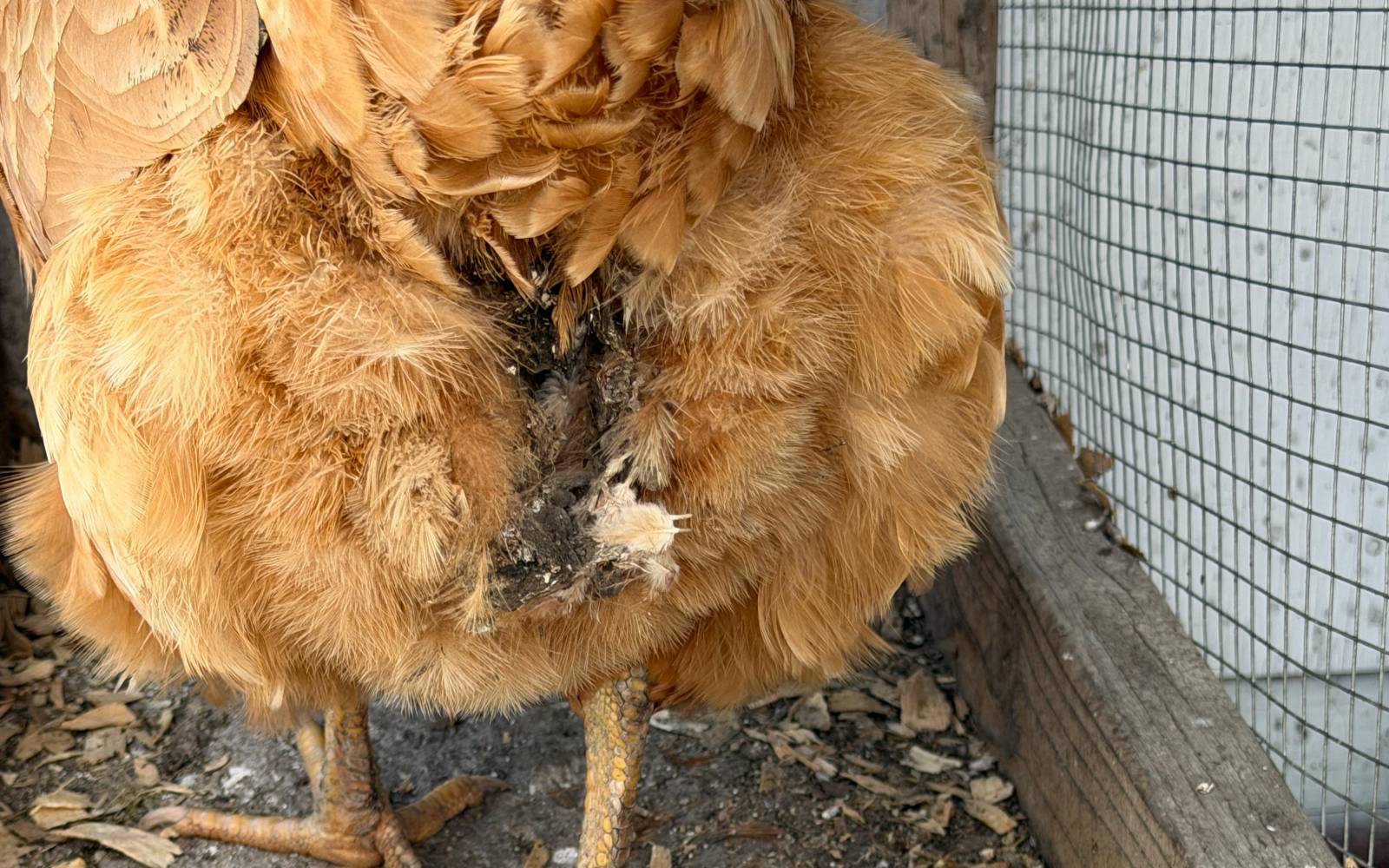
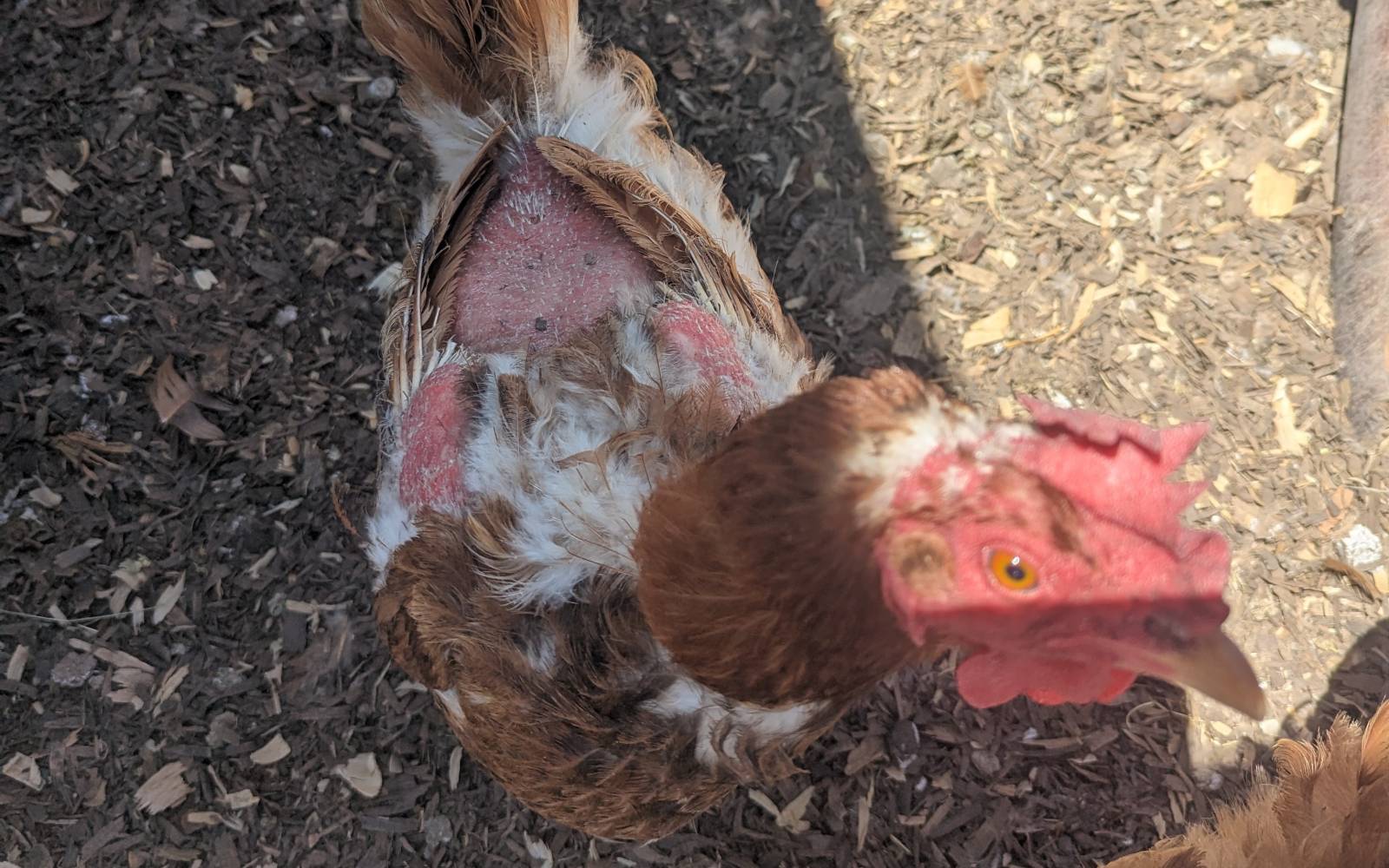
Look at breathing, eyes, nostrils, crop area, legs, feet, and the feathers around the vent. Listen for wheezing or clicking. Notice limping, tail position, abdominal swelling, or a crop that remains unusually full first thing in the morning.
Droppings vary normally with diet and the cecal cycle. What matters is a persistent change, blood, obvious worms, or abnormal droppings paired with a bird whose behavior has also changed.
- Movement and balance
- Appetite and water intake
- Breathing and alertness
- Comb color and posture
- Droppings plus the bird's overall condition
Separate when observation or safety requires it
A quiet recovery crate or small pen can protect an injured bird and make eating, drinking, and droppings easier to monitor. Isolation can also create social stress, so use it for a specific reason and keep the bird within hearing distance of the flock when conditions allow.
Record what you see and when it began. Photos, weights, and a short timeline help a veterinarian far more than a vague memory that the hen has seemed off for a while.
Know when home observation is not enough
Breathing difficulty, uncontrolled bleeding, inability to stand, severe injury, suspected poisoning, repeated seizures, or rapid decline call for qualified veterinary help. CoopSage provides husbandry information, not diagnosis or treatment.
Find an avian or poultry-capable veterinarian before an emergency. Your local extension office may also help identify regional resources and common flock risks.
The most useful health skill is knowing what normal looks like
A flock has a routine if you watch it long enough. Birds come out of the coop in a certain order. They hit the feed pan with a certain amount of interest. They scratch in favorite spots, dust bathe where the soil is loose, settle into shade during heat, and roost in a pattern that usually makes sense for that group.
Use that routine as the baseline. If one hen hangs back from feed, stands puffed with a low tail, or stops joining the others, examine her while the change is still easy to compare with her normal behavior.
Feeding time tells the truth fast
Feeding time is one of the easiest health checks because chickens are not subtle around food. A healthy bird usually notices feed quickly, moves toward it, and competes for a place. Even lower-ranking hens will usually find a way to get something.
If a bird that normally comes running stays back, eats slowly, pecks once and quits, or acts interested but cannot seem to swallow, I want to know why. I check whether she is being bullied away from food, whether her crop feels wrong, whether she is limping, whether her comb looks pale, and whether she is alert or dull. Kitchen scraps make this even easier because most birds will show their real appetite when something fresh lands in the yard.
A quick hands-on check is worth learning
You do not need to turn every morning into a veterinary exam. A few seconds can tell you a lot once you know where to look.
The crop sits at the lower front of the neck and stores food before digestion continues. Learn how it normally feels near bedtime and again before breakfast. A crop that repeatedly fails to empty overnight calls for a closer examination and veterinary guidance.
- Watch for limping, frequent sitting, stumbling, or using a wing for balance.
- Look at the comb and face. A healthy laying hen often has a red, full comb. A pale, shrunken, purple, or dry-looking comb can be a clue, especially when it comes with other signs.
- Check the vent area. Built-up droppings, redness, swelling, missing feathers, or irritation can point to diarrhea, parasites, egg-laying trouble, or a bird that is not cleaning herself well.
- Look at droppings in context. Some variation is normal, especially with table scraps, greens, heat, and water intake. Repeated watery droppings, blood, worms, or a sudden change across the whole flock should not be ignored.
- Pick birds up once in a while. You learn what a healthy weight feels like. A bird can look fluffy and still be thin under the feathers.
- Feel the crop. The crop can be full in the evening after feeding, but it should be mostly empty by morning. A crop that stays hard, swollen, squishy, sour-smelling, or slow to empty needs attention.
Do a calm hands-on check
Handle birds after observing them at a distance. Support the body and keep the wings folded without compressing the breast, because birds need chest movement to breathe. Feel the muscle on both sides of the keel, inspect the feet and leg scales, part feathers around the vent and under the wings, and look at the eyes, nostrils, mouth, and comb.
A hands-on check should be quick enough that the bird remains calm. If she struggles, lower her close to the ground rather than holding tighter. Never carry a chicken upside down. Record weight and body condition before returning her to the flock so the next check can be compared with a number rather than a memory.
- Observe first, catch second
- Support feet and body
- Keep pressure off the breast
- Wash hands and clean equipment between sick and healthy birds
Triage by function, not by internet diagnosis
Ask four questions: Can the bird breathe without obvious effort? Can she stand and walk? Is she taking water? Is the condition stable or getting worse over hours? Those answers determine urgency more reliably than matching one dropping or comb color to a disease list.
Move urgent cases out of heat, cold, pecking, or other immediate danger while arranging qualified help. Do not pour water into the beak, use leftover antibiotics, or combine medications based on guesses. Food-producing birds have dose, interaction, and withdrawal concerns that require professional direction.
- Emergency: severe breathing effort, seizure, uncontrolled bleeding, open fracture
- Same-day advice: inability to eat or drink, rapid decline, significant swelling
- Close observation: mild isolated change with normal movement and intake
- Flock response: several birds affected or sudden unexplained death
Keep a small health record that a veterinarian can use
For each concern, record the bird, date and time first noticed, weight, appetite, water intake, droppings, breathing, posture, egg status, recent feed changes, and any new birds or wildlife contact. Take short videos of movement or breathing before transport if doing so does not delay urgent care.
Keep the product label and exact amount of anything already given. A clean timeline helps a veterinarian choose tests and prevents repeated treatments. It also reveals flock-level patterns, such as several birds losing weight after the same feed change or symptoms beginning after an introduction.
Decision table
What to do with what you see
| Signal | Check next | Response |
|---|---|---|
| Hard breathing or tail bobbing | Effort at rest, heat, and flock spread | Treat as urgent and contact a poultry-capable veterinarian |
| Bird stands apart | Movement, appetite, crop, injury, and social pressure | Observe closely and separate only for safety or individual monitoring |
| Several birds change together | Feed, water, environment, new birds, and wildlife | Escalate as a flock-level problem |
At the coop
Inspection checklist
- Movement and balance
- Appetite and water intake
- Breathing and alertness
- Comb color and posture
- Droppings plus the bird's overall condition
- Watch for limping, frequent sitting, stumbling, or using a wing for balance.
- Look at the comb and face. A healthy laying hen often has a red, full comb. A pale, shrunken, purple, or dry-looking comb can be a clue, especially when it comes with other signs.
References
Checked July 22, 2026 · How sources are chosen
Breathing difficulty, uncontrolled bleeding, inability to stand, neurological signs, severe injury, or rapid decline require prompt professional care.