Flock management · Guide 08
How to quarantine and introduce new chickens
A 30-day quarantine and side-by-side introduction plan that reduces disease risk and gives the pecking order room to settle.
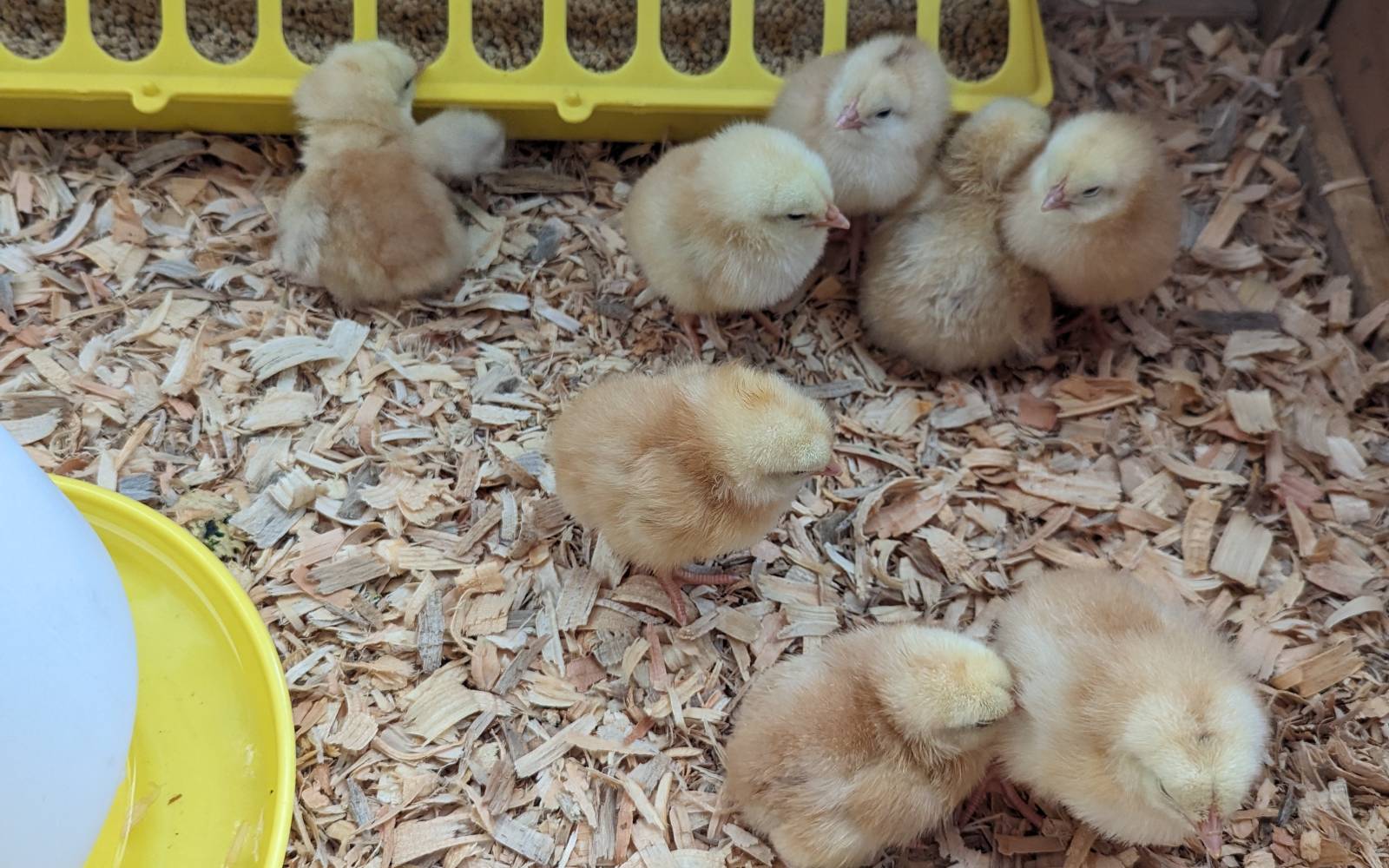
Quarantine new birds for 30 days with separate equipment, then use a see-but-don't-touch period before supervised mixing.
Quarantine is separation, not a fence line
New birds can carry disease without looking ill on pickup day. Keep them in a separate enclosure for 30 days, far enough away that shared air, droppings, equipment, and casual foot traffic do not connect the groups.
Care for the resident flock first and quarantined birds second. Use separate boots, feeders, waterers, cleaning tools, and storage containers. Wash hands between groups and do not shuttle bedding or manure across the property.
- Record arrival date and source
- Watch appetite, breathing, droppings, eyes, feet, and body condition
- Contact a poultry-capable veterinarian about testing or concerning signs
- Restart the quarantine clock if another new bird joins
Do not use one healthy-looking bird as a test
Putting a resident hen with newcomers can expose both groups and does not prove that the newcomers are disease-free. Quarantine works because time and observation allow signs to emerge before direct contact.
Avoid routine medication without a diagnosis. It can hide symptoms, complicate testing, and create withdrawal or resistance concerns. Veterinary guidance matters when food-producing animals are involved.
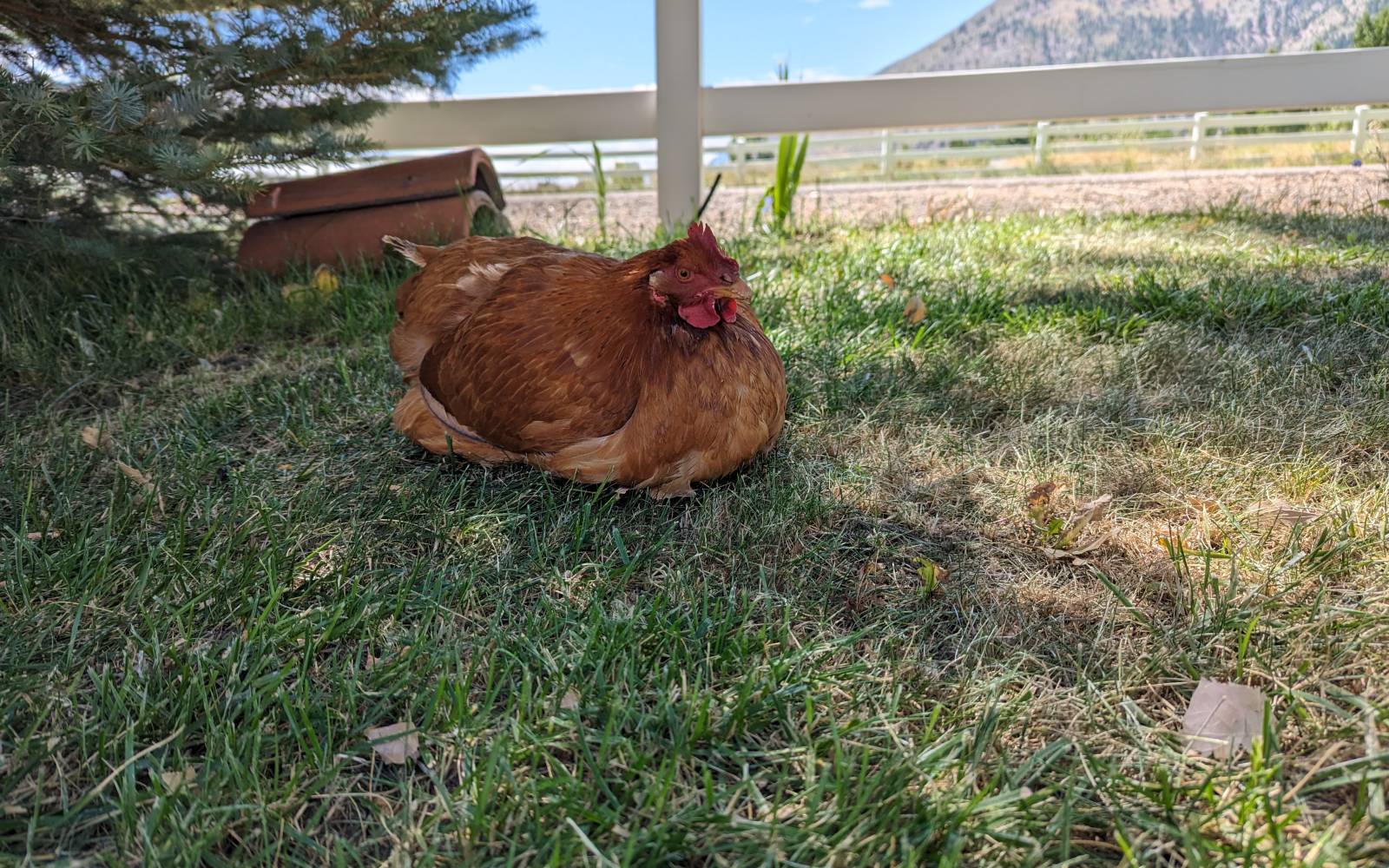
Move from quarantine to visible separation
After quarantine, house the groups where they can see and hear one another through secure wire but cannot peck through large openings. A week or more of side-by-side living lets birds become familiar without forcing immediate physical negotiation.
Provide duplicate feeders, waterers, shade, and hiding structures. Introductions fail when a lower-ranking bird can be cornered or kept away from every resource.
Supervise the first mixing sessions
Start in the largest neutral or rearranged space available. Expect short chases and pecks; interrupt sustained attacks, pinning, blood, or a bird unable to escape. Keep sessions brief enough to end before the flock becomes exhausted.
Do not add a single young pullet to a settled group if you can avoid it. Similar-sized birds introduced in pairs or small groups have social support. Continue checking crops, weight, and feeder access for at least two weeks after the flock appears calm.
My simple schedule
My usual schedule is one to two weeks side by side, then short shared sessions, then longer shared days, then supervised evenings until roosting is normal. Some groups move faster. Some need more time. The flock decides the pace more than my calendar does.
A clean introduction is not when every bird likes every other bird. It is when the pullets can eat, drink, move, roost, and live without constant pressure. That is the standard I use.
Design quarantine so it can succeed
Choose the quarantine location before bringing birds home. It needs its own feed storage, cleaning tools, footwear, and waste route. If you must pass the resident flock to reach it, plan the order of chores and a place to change or clean footwear so separation does not collapse on a wet evening.
Keep a written start date and daily observations. Thirty days of vague proximity is not the same as thirty days without shared equipment or contact. If a bird becomes ill or another newcomer arrives, discuss the clock and testing plan with a poultry veterinarian.
- No shared buckets, carriers, brushes, or hose ends
- Prevent wild birds from moving between feed stations
- Keep manure and used bedding separate
- Write down every medication and its source
Read the difference between sorting and injury
Brief pecks, short chases, and displacement from a preferred spot are normal parts of re-establishing order. Sustained pursuit, pinning, repeated head pecking, bleeding, or a bird unable to reach resources are not problems to leave overnight. Separate with wire and redesign the space before trying again.
Check the new birds at roost and again at first feeding. A flock can look calm in open ground while one hen is excluded from the coop doorway or trapped on a low perch after dark. Duplicate resources only help when they are far enough apart that one bird cannot guard both.
- End sessions before exhaustion
- Use multiple escape routes without dead ends
- Provide at least two feed and water stations
- Inspect backs, combs, and vents for hidden injury
Keep monitoring after the flock looks settled
For two weeks after full mixing, weigh newcomers, feel their crops at night when appropriate, and watch them eat during the first busy minutes of feeding. Social exclusion often appears as slow weight loss rather than constant fighting.
Do not remove partitions and backup pens immediately. Keeping the previous safe arrangement available makes it easier to step back after an injury or weather confinement. Integration is complete when all birds can use the shared space safely, not when the fence first comes down.
Decision table
What to do with what you see
| Signal | Check next | Response |
|---|---|---|
| Short chase, then release | Escape routes and resource access | Continue supervised observation |
| Pinning, blood, or repeated head pecks | Injury and ability to escape | Separate with wire and redesign before retrying |
| New bird loses weight | Feeding access, crop, droppings, and illness | Step back and investigate rather than waiting for visible fighting |
At the coop
Inspection checklist
- Record arrival date and source
- Watch appetite, breathing, droppings, eyes, feet, and body condition
- Contact a poultry-capable veterinarian about testing or concerning signs
- Restart the quarantine clock if another new bird joins
- No shared buckets, carriers, brushes, or hose ends
- Prevent wild birds from moving between feed stations
- Keep manure and used bedding separate
References
Checked August 30, 2026 · How sources are chosen
Breathing difficulty, uncontrolled bleeding, inability to stand, neurological signs, severe injury, or rapid decline require prompt professional care.