Safety · Guide 06
How to predator-proof a chicken coop and run
Inspect wire, doors, digging edges, overhead openings, and the weak points predators test first.
Build for the predator that is patient, strong, and willing to return. Good habits support strong materials; they do not replace them.
Start with the likely pressure
Predator risk is local. In northern Nevada I plan around coyotes, dogs, raccoons, skunks, raptors, snakes, and rodents, but another region will have a different list. Ask nearby keepers which animals breach local coops rather than planning around a generic picture.
Look for tracks, digging, bent wire, feathers near the perimeter, or birds refusing a familiar corner. A failed attempt is information and should trigger an inspection before the next night.
Use materials that match the job
Chicken wire can contain chickens. It is not strong enough for many animals that want to reach them. Half-inch hardware cloth is a better choice at windows, vents, and accessible run walls.
Fasten wire with screws and washers or sturdy poultry staples, not a few light staples from a desk-style gun. Cover gaps at rooflines and corners where materials meet.
- Secure doors with two-step latches
- Use a hardware-cloth apron or buried barrier against digging
- Cover overhead openings where raptors can enter
- Check every repair from the outside, as a predator would
Routine is part of the barrier
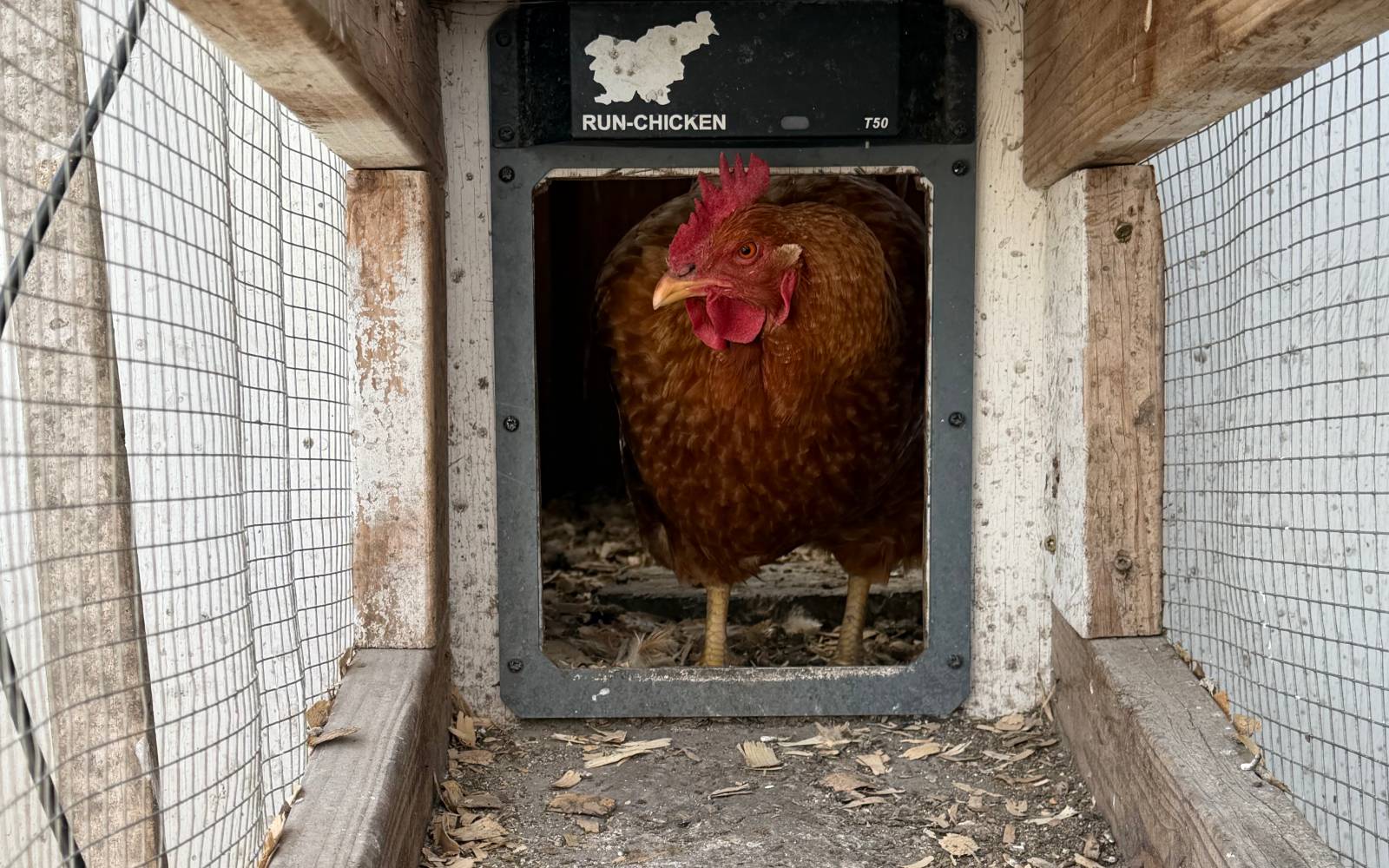
Count every bird at dusk. Close the coop at the same time and physically test the latch. Automatic doors can help, but they still need inspection for tracks, debris, power problems, and birds left outside.
Do not leave feed scattered overnight. Rodents attract larger predators and create pressure around the same structures protecting the flock.
Free range is a risk decision
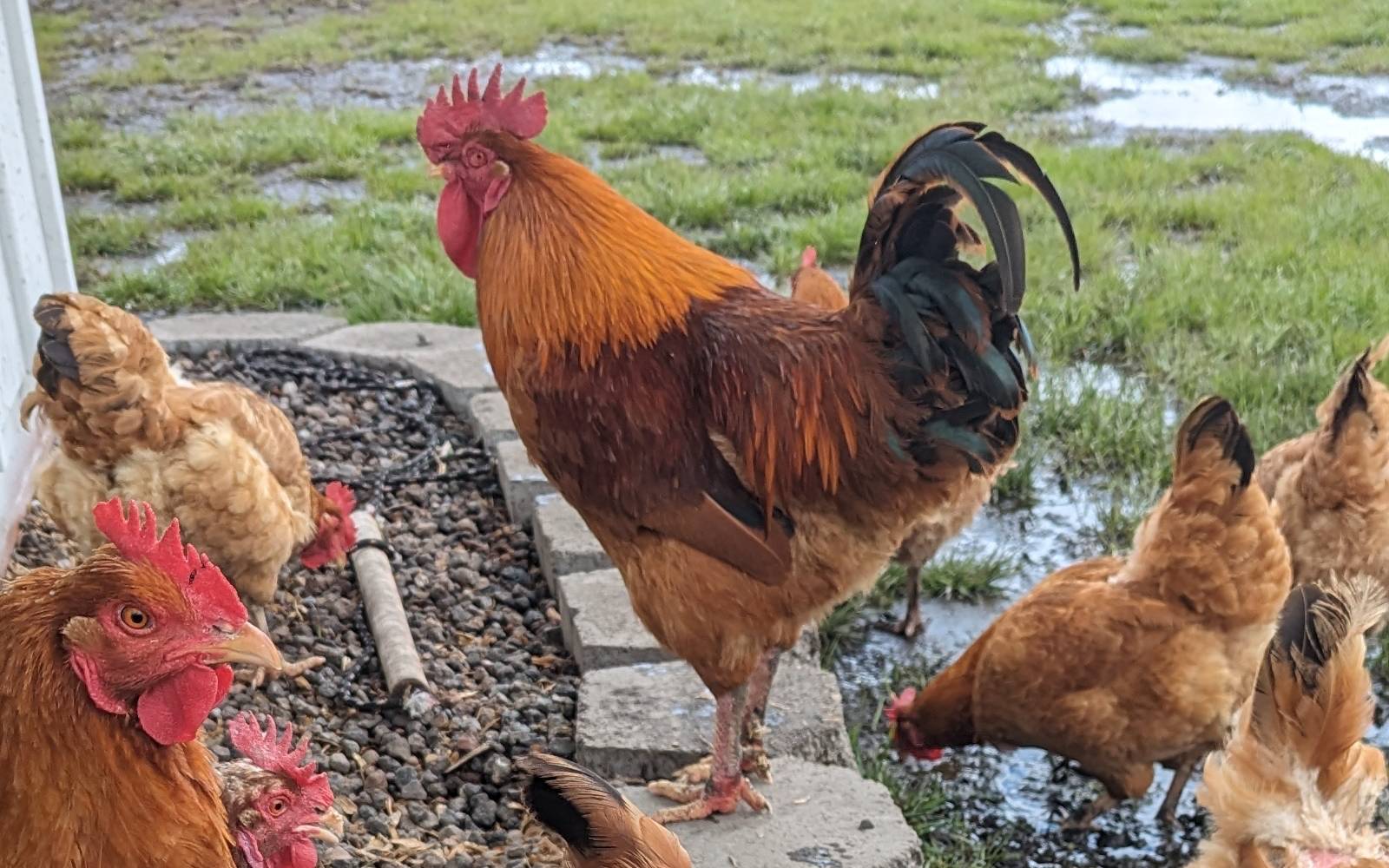
Free ranging can improve foraging and give birds room, but it is never zero-risk. Cover, alert flock members, human activity, and supervised timing can reduce exposure without eliminating it.
Decide what loss risk you can accept before opening the gate. On high-risk days, a secure run is better husbandry than wishful thinking.
Night housing is where most preventable losses are decided
An automatic door can reduce missed lockups, but the opening, tracks, power source, timer, and sensor still need inspection. The surrounding coop must close without gaps and withstand pulling, chewing, digging, and repeated pressure at seams and latches.
A quick evening head count helps too. Keepers who know how many birds should be inside are less likely to leave one out under a bush because the flock seemed generally accounted for.
Build the run as a predator barrier
Chicken wire can contain birds but does not stop many predators. Use stronger mesh, solid framing, structural fasteners, and a protected lower edge wherever an animal could push, pry, pull, or dig.
Protect the lower perimeter with buried mesh or an outward-facing hardware-cloth apron secured to the frame. Inspect it after storms and whenever tracks or fresh digging appear. Predators return to edges where digging has worked before.
Conduct the inspection from outside
Walk the enclosure as if you are trying to enter it. Pull at lower wire, lift roof edges, push each door, and look for a straight path from a paw-sized gap to a roosting bird. Pay special attention where materials change: wall to roof, door to frame, wire to soil, and old construction to a new addition.
Inspect at night with a flashlight. Light escaping through an unexpected gap often reveals openings hidden in daylight. Look beyond the coop for stacked lumber, branches, bins, or fencing that creates a climbing route to the roof.
- Pull on mesh rather than only looking at it
- Test the secondary motion on every latch
- Check the full digging edge after storms
- Trim or move objects that create a launch point
Respond to an attempted breach the same day
Fresh digging, bent wire, pulled staples, muddy prints, or repeated nighttime alarms mean the barrier has already been tested. Move birds to a secure inner enclosure if necessary and repair the structural weakness before the next dusk. A camera can identify pressure, but it does not protect the flock by itself.
Widen the repair beyond the visible damage. Replace weak fasteners, overlap hardware cloth, and reinforce the frame carrying it. If one animal found the location, assume it will return and spend longer on the next attempt.
- Photograph tracks before disturbing them
- Check every bird for punctures hidden under feathers
- Remove feed and carcass attractants
- Inspect nearby panels for a second attempt
Separate daytime and nighttime risk plans
At night, birds need a closed structure that does not depend on vigilance or a guardian animal. During the day, risk is more variable: overhead cover, dogs, human activity, vegetation, and flock behavior all matter. Write the two plans separately so daytime freedom does not become an excuse for a weak night enclosure.
Review the plan when seasons change. Vegetation dies back, snow creates new climbing surfaces, young predators disperse, and daylight schedules shift. A system that worked in June can expose birds in November without any hardware visibly breaking.
Decision table
What to do with what you see
| Signal | Check next | Response |
|---|---|---|
| Bent wire or pulled fasteners | Full seam and frame strength | Move birds behind a second barrier and rebuild the attachment |
| Tracks without damage | Likely route, latch, roof, and digging edge | Treat the visit as an attempted breach |
| Bird missing at lockup | Count, feathers, hiding places, and perimeter | Secure the remaining flock before searching |
At the coop
Inspection checklist
- Secure doors with two-step latches
- Use a hardware-cloth apron or buried barrier against digging
- Cover overhead openings where raptors can enter
- Check every repair from the outside, as a predator would
- Pull on mesh rather than only looking at it
- Test the secondary motion on every latch
- Check the full digging edge after storms
References
Checked July 15, 2026 · How sources are chosen
Breathing difficulty, uncontrolled bleeding, inability to stand, neurological signs, severe injury, or rapid decline require prompt professional care.