Chicks · Guide 07
Raising baby chicks: a week-by-week brooder plan
Set up heat, bedding, feed, water, and space before the chicks arrive, then use their behavior to adjust the brooder.
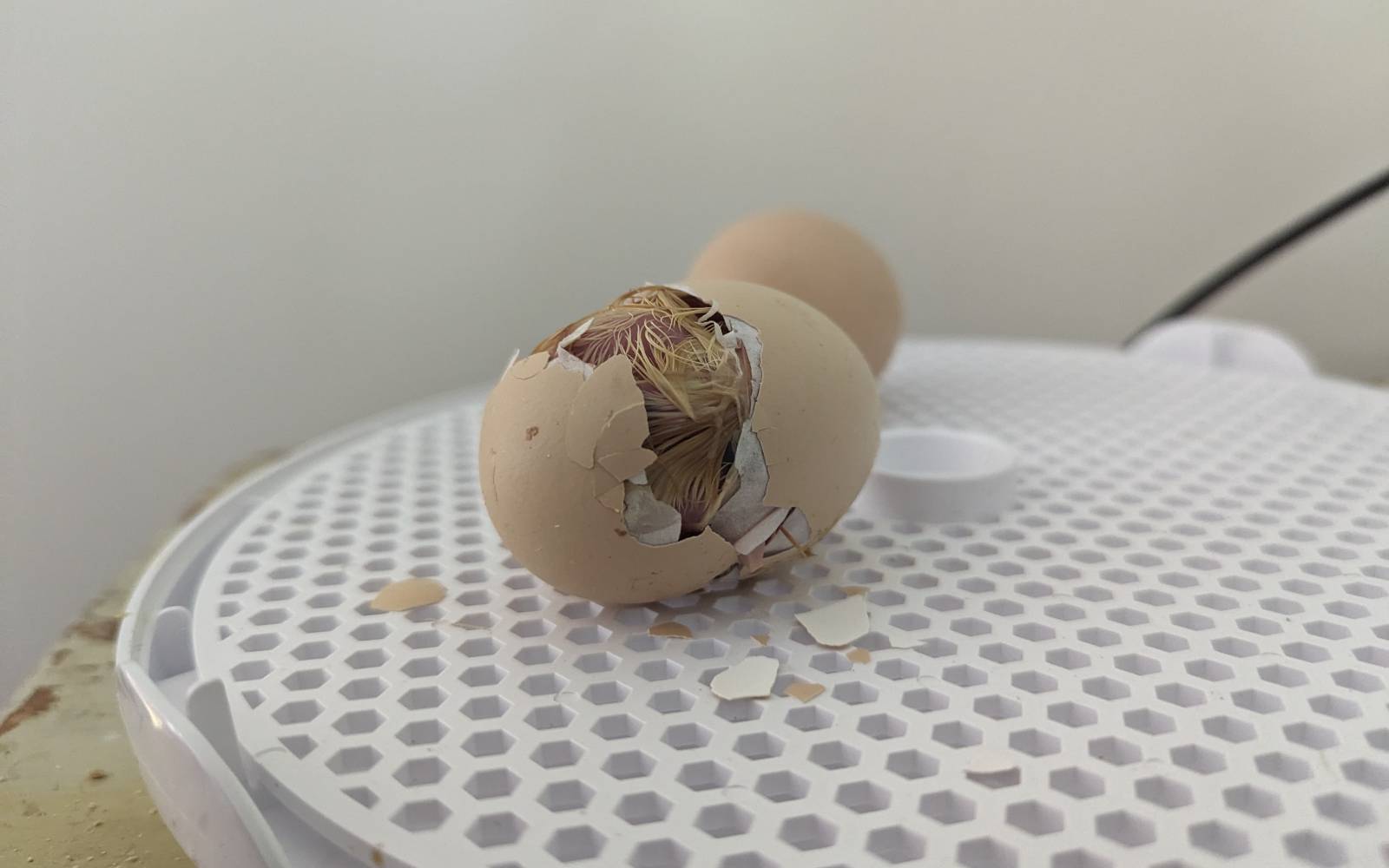
Prepare the brooder a day early, give chicks room to move away from heat, and adjust conditions by watching how they spread, eat, drink, and rest.
Build the brooder before pickup day
A brooder needs a dry, draft-protected enclosure, a safe heat source, chick starter, clean water, and enough room for every chick to choose a comfortable temperature. Turn on the heat the day before arrival so you can find cold corners and equipment problems without chicks in the box.
Use a solid-sided enclosure with good air exchange above chick level. Cover slick floors with paper towels for the first day or two, then move to absorbent bedding such as pine shavings. Avoid cedar shavings and loose surfaces that chicks may eat before they recognize feed.
- Heat source secured against falling or contacting bedding
- Two routes to water so one spill does not leave chicks dry
- Feeder space that does not force chicks to climb over one another
- A thermometer at chick height as a check, not the only decision tool
Let chick behavior set the heat
A common starting target is 90 to 95 degrees Fahrenheit at chick height near the warm zone, reduced by about 5 degrees each week. The brooder should also contain a cooler zone. Chicks packed tightly beneath the heat are cold; chicks pressed to the far edges are too hot; chicks spread loosely between eating, drinking, and sleeping are comfortable.
Brooder plates reduce fire risk compared with exposed heat lamps when they are correctly sized and used according to the manufacturer. Any electrical setup should be protected from water, dust, and curious birds.
Keep feed and water boring and reliable
Use a complete chick starter intended for the birds you bought. Do not dilute it with scratch grain, corn, or a constant supply of treats. If chicks receive foods other than complete feed, provide appropriately sized chick grit.
Dip each chick's beak gently into water as it enters the brooder. Check water several times on the first day because bedding and droppings can block shallow drinkers quickly. Raise equipment gradually as the chicks grow, keeping the drinking edge near back height.
Expand space before behavior deteriorates
Crowding shows up as dirty bedding, feather picking, blocked feeder access, and chicks piling into corners. Increase usable floor area and add a low perch once chicks are steady on their feet. Keep the brooder dry by removing wet patches rather than masking them with more bedding.
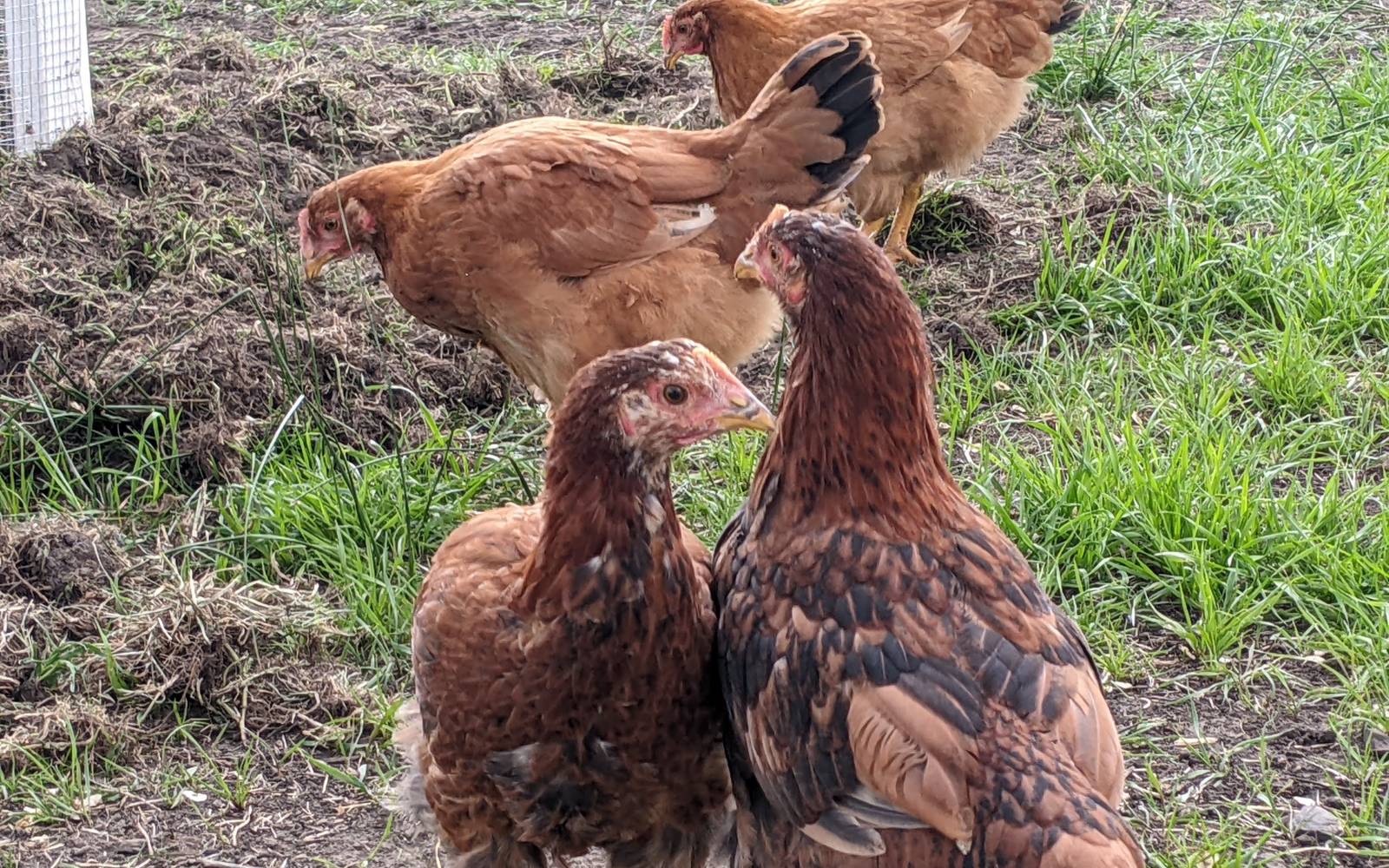
Move fully feathered birds outside only when their age, weather, breed, and shelter support the change. Make the transition gradually, and do not combine young birds with an established adult flock without a separate introduction plan.
Use a weekly brooder inspection
Once a week, weigh a small sample of chicks, raise feeders and waterers to match their size, expand usable floor space, and inspect the heat source and electrical connections. Compare feather development and behavior across the group rather than expecting every chick to grow at the same rate.
Brooders become crowded quickly. A setup that looked generous on hatch day can create wet litter, blocked feeder access, and piling two weeks later. Add space before behavior deteriorates and keep corners rounded or blocked so frightened chicks cannot stack into a tight point.
- Week 1: verify every chick finds feed and water
- Weeks 2–3: increase feeder edge and dry space
- Weeks 4–5: evaluate heat need by feathering and room temperature
- Before move-out: rehearse the outdoor enclosure and nighttime routine
Prepare for common brooder failures
Pasted vents, wet litter, empty waterers, chilling after a spill, overheating, and trampling can worsen quickly. Check chicks more often during the first forty-eight hours and after any equipment change. Keep supplies for cleaning a pasted vent, replacing bedding, and providing a second water station within reach.
A chick that remains apart, cannot stand, breathes with effort, or repeatedly fails to reach water needs prompt assessment. Warmth and quiet may support a chilled chick while help is arranged, but avoid force-feeding or dripping liquid into the mouth where it can be aspirated.
- Change one condition at a time when troubleshooting
- Count chicks at every check
- Confirm the heat source after power interruptions
- Treat repeated distress as a system problem, not a weak-chick problem
Move outside by readiness, not a calendar date
Consider feathering, overnight temperature, wind, precipitation, breed, and whether the outdoor coop is dry and draft-protected. Begin with supervised daytime exposure when conditions are mild. Watch how chicks spread and whether they return to shelter without being herded.
The first nights outside deserve an extra late check and an early morning check. Confirm that chicks are on an appropriate low roost or settled safely, that no adult birds can reach them, and that the water remains accessible at first light.
Decision table
What to do with what you see
| Signal | Check next | Response |
|---|---|---|
| Chicks pile under heat | Temperature, drafts, power, and brooder space | Restore a safe warm zone while keeping an escape zone |
| Chicks avoid the heat | Heat height, room temperature, and airflow | Reduce heat and confirm cooler space is available |
| Wet litter around water | Level, height, leaks, and crowding | Replace bedding and correct equipment immediately |
At the coop
Inspection checklist
- Heat source secured against falling or contacting bedding
- Two routes to water so one spill does not leave chicks dry
- Feeder space that does not force chicks to climb over one another
- A thermometer at chick height as a check, not the only decision tool
- Week 1: verify every chick finds feed and water
- Weeks 2–3: increase feeder edge and dry space
- Weeks 4–5: evaluate heat need by feathering and room temperature
References
Checked August 30, 2026 · How sources are chosen
Breathing difficulty, uncontrolled bleeding, inability to stand, neurological signs, severe injury, or rapid decline require prompt professional care.