Seasonal care · Guide 09
Keeping chickens safe in summer heat
Recognize heat stress early and manage shade, airflow, water, feeding, and emergency cooling without adding humidity blindly.
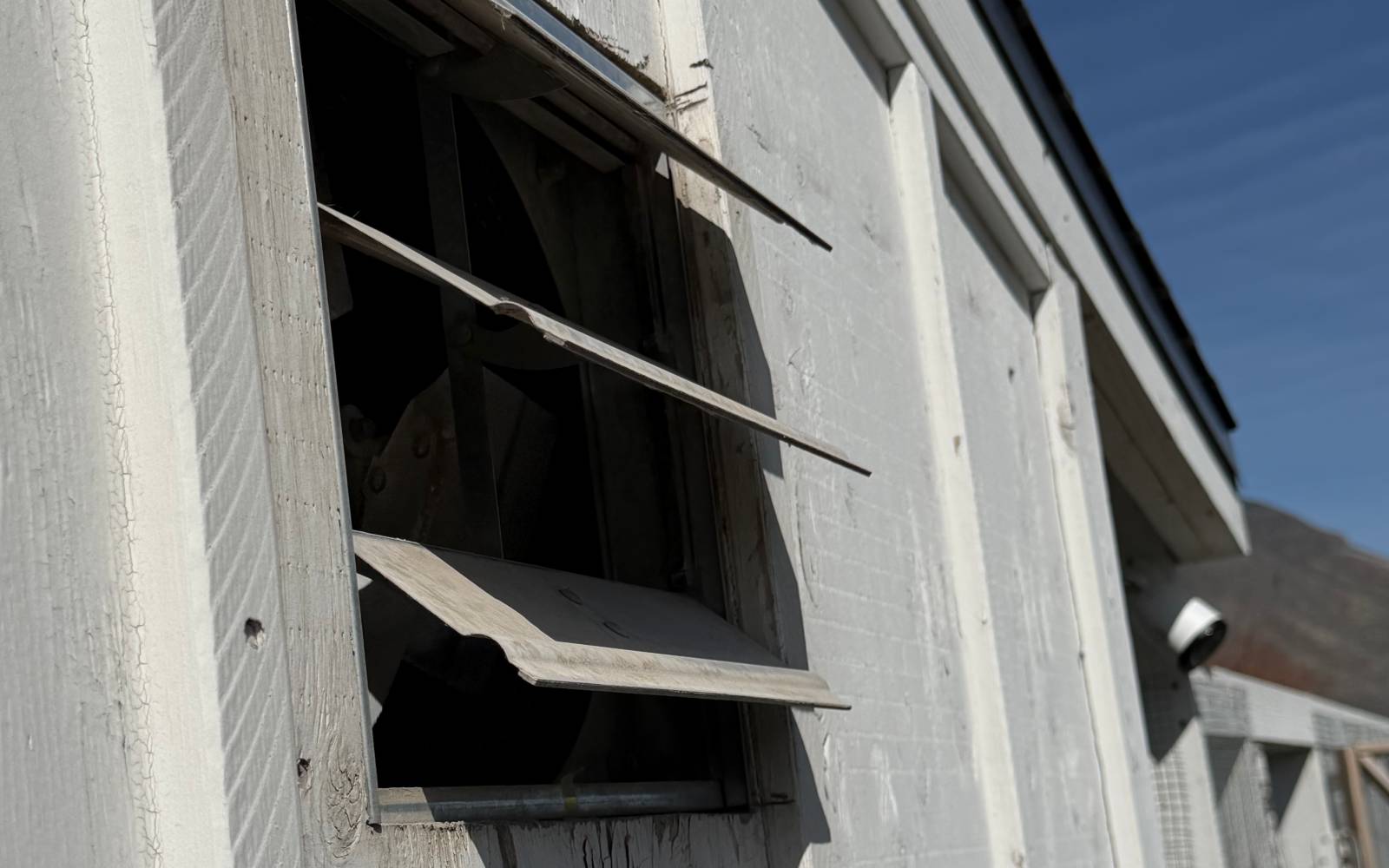
Move air at bird level, provide abundant cool water and deep shade, and treat hard panting, weakness, or loss of balance as urgent heat stress.
Read temperature and humidity together
Chickens cool themselves largely through respiration, so high humidity makes panting less effective. Risk also changes with breed, age, body size, feathering, housing density, and airflow. A still 90-degree run can be more dangerous than a hotter space with strong shade and moving air.
Watch the flock, not just the forecast. Early signs include wings held away from the body, open-mouth breathing, increased drinking, reduced feeding, and birds seeking cool ground. Escalating signs include hard panting, pale combs, weakness, stumbling, or collapse.
Fix airflow before adding moisture
Open safe ventilation paths and use fans rated for dusty agricultural conditions, mounted where birds cannot reach wiring or blades. Air needs to move where the chickens stand, not only near the roof.
Misters can help in dry climates, but they can worsen conditions when humidity is already high or when they soak bedding. Wet litter creates a separate health problem. If you use mist, keep it outside the coop and monitor humidity and footing.
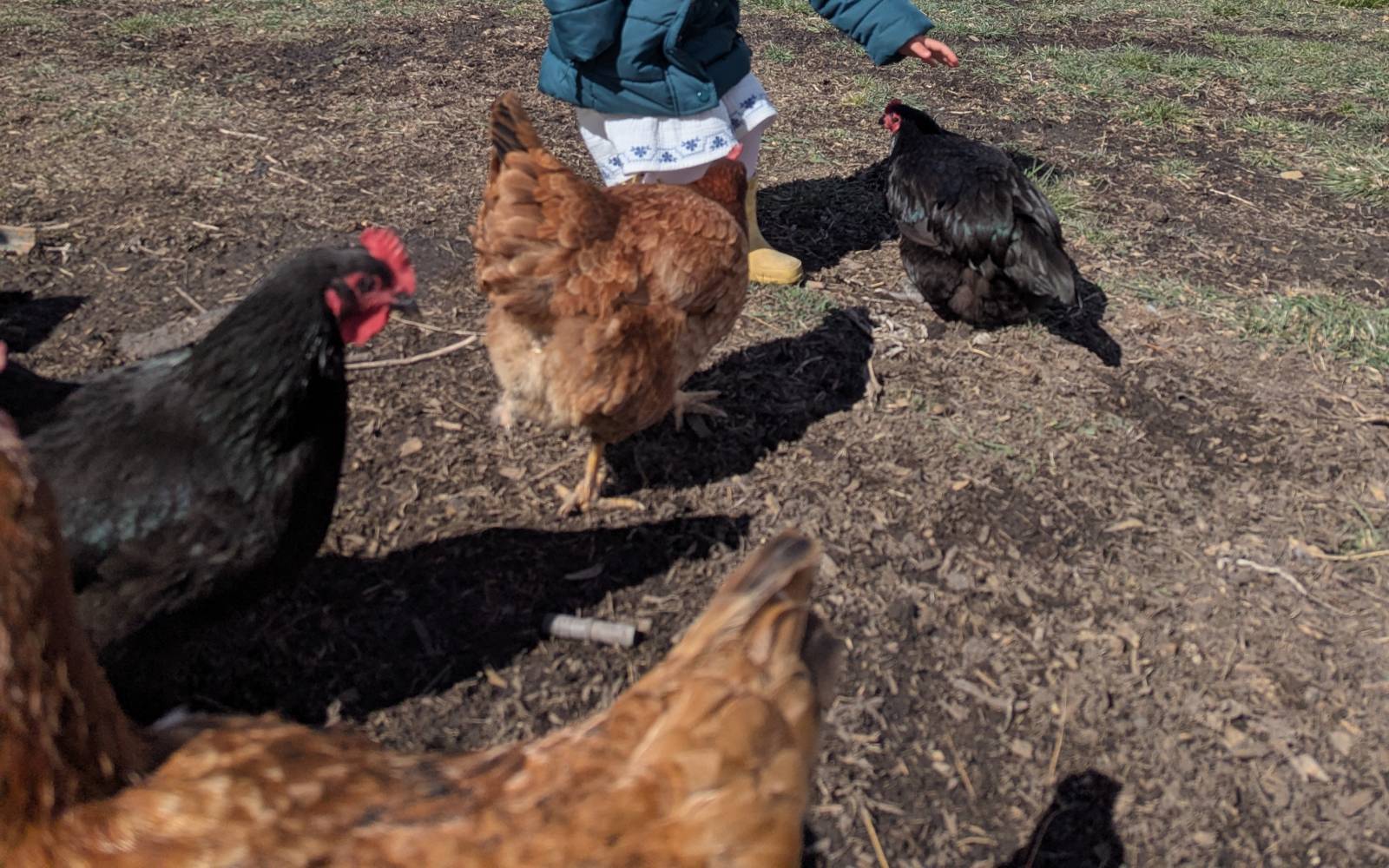
Make water impossible to miss
Provide more than one water station in shade and verify flow throughout the hottest hours. Flush sun-warmed lines, scrub algae, and place containers where a dominant hen cannot guard all access.
Frozen bottles can cool a small waterer, but plain clean water must remain available. Electrolyte products may help for short periods when used according to label directions; they are not a substitute for airflow, shade, and adequate water volume.
Change the day's workload
Handle birds, clean pens, and move equipment during the coolest part of the morning. Offer the normal complete ration when birds are most willing to eat and avoid heavy activity near the afternoon peak.
A bird showing severe distress needs immediate cooling and veterinary guidance. Move her to shade and airflow, wet the feet and lower legs with cool rather than ice-cold water, and avoid force-feeding or pouring water into the beak.
Set action points before the hot day
Use your local forecast, shade temperature, and humidity to decide when extra water checks, fans, or confinement changes begin. Write the plan where another caretaker can find it. The exact threshold varies by flock and climate, but waiting for collapse is not a plan.
Older birds, heavy breeds, broody hens, birds with respiratory disease, and newly transported birds may show stress earlier. Identify them before the heat wave and place water and shade where they already choose to rest rather than expecting them to cross exposed ground.
- Morning: fill and test every water station
- Before peak heat: confirm bird-level airflow and deep shade
- Peak heat: check panting, posture, balance, and access
- Evening: restore feed, clean wet areas, and reassess weak birds
Build redundancy into water and airflow
Use at least two independent water stations for a small flock during extreme heat. If one tips, clogs, or becomes guarded, the second prevents a routine equipment problem from becoming an emergency. Measure how much the flock drinks on an ordinary day so increased demand does not surprise you.
Fans need a protected cord, a clean guard, and a position that moves air where birds stand. Test them under the same extension and outlet arrangement you will use during the event. A fan that trips a breaker or only stirs hot air at roof level does not provide a backup.
- Keep waterers shaded through the afternoon
- Flush hot hoses before refilling
- Clean algae and biofilm rather than only topping off
- Have a power-loss plan that does not rely on fans
Review the flock after the temperature drops
Heat stress does not always end at sunset. Check crops, drinking, balance, and breathing after the run cools. Record any bird that needed intervention and watch her more closely the next day, especially if another hot period is forecast.
Inspect the system too. Note which shade moved, where water warmed, whether bedding became wet, and which birds were pushed from resources. Make repairs during the cool interval rather than repeating the same weak setup the next afternoon.
Decision table
What to do with what you see
| Signal | Check next | Response |
|---|---|---|
| Wings out, light panting | Shade, airflow, water, humidity, and vulnerable birds | Increase relief and recheck frequently |
| Hard panting, weakness, stumbling | Ability to stand and drink | Begin careful cooling and seek urgent veterinary guidance |
| Water use doubles | Capacity, flow, temperature, and access | Add shaded stations and refill before peak heat |
At the coop
Inspection checklist
- Morning: fill and test every water station
- Before peak heat: confirm bird-level airflow and deep shade
- Peak heat: check panting, posture, balance, and access
- Evening: restore feed, clean wet areas, and reassess weak birds
- Keep waterers shaded through the afternoon
- Flush hot hoses before refilling
- Clean algae and biofilm rather than only topping off
References
Checked August 30, 2026 · How sources are chosen
Breathing difficulty, uncontrolled bleeding, inability to stand, neurological signs, severe injury, or rapid decline require prompt professional care.