Eggs · Guide 04
Egg laying: what changes, what is normal, and when to look closer
A seasonal guide to first eggs, shell quality, molt, daylight, age, and the ordinary reasons production shifts.
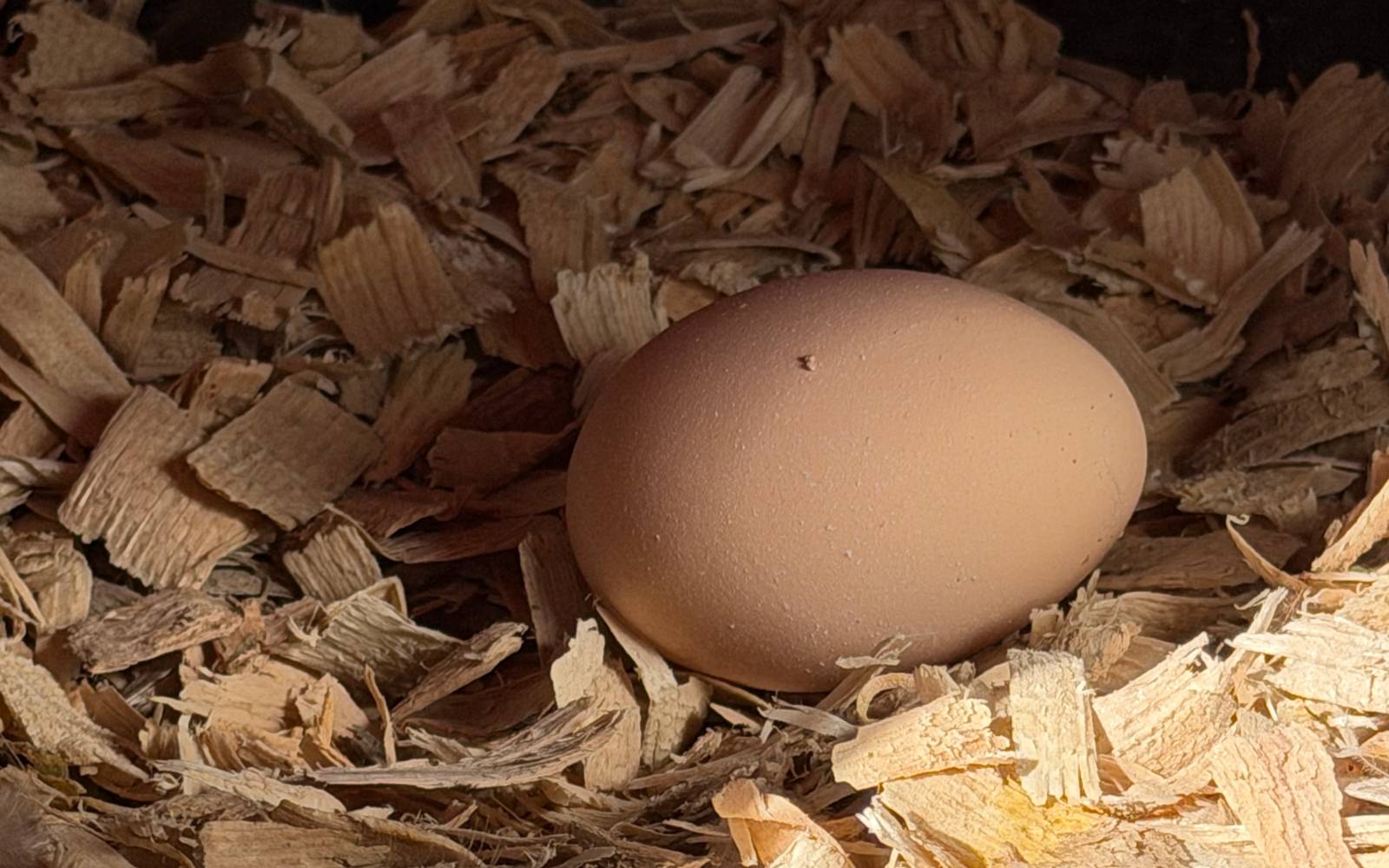
Egg production naturally changes with age, daylight, heat, stress, and molt; judge the whole bird before treating a lower count as a crisis.
First eggs arrive on the bird's schedule
Many pullets begin laying around five to six months, but breed, season, nutrition, and individual development can move that date. Early eggs may be small, oddly shaped, or inconsistent while the reproductive system settles into a rhythm.
Signs that laying is approaching include a reddening comb, interest in nest boxes, and a wider, lower stance. Give pullets quiet, clean nest boxes before the first egg appears.
Put the egg count in context
A daily total needs context. Note flock age, daylight, heat, recent moves, predator scares, and molt. A gradual seasonal decline in otherwise bright birds is different from a sudden stop paired with lethargy or appetite loss.
Look for hidden nests and signs of egg eating before assuming the hens have stopped. In free-range flocks, check sheltered spaces close to the coop before concluding that production has stopped.
Shells are management clues
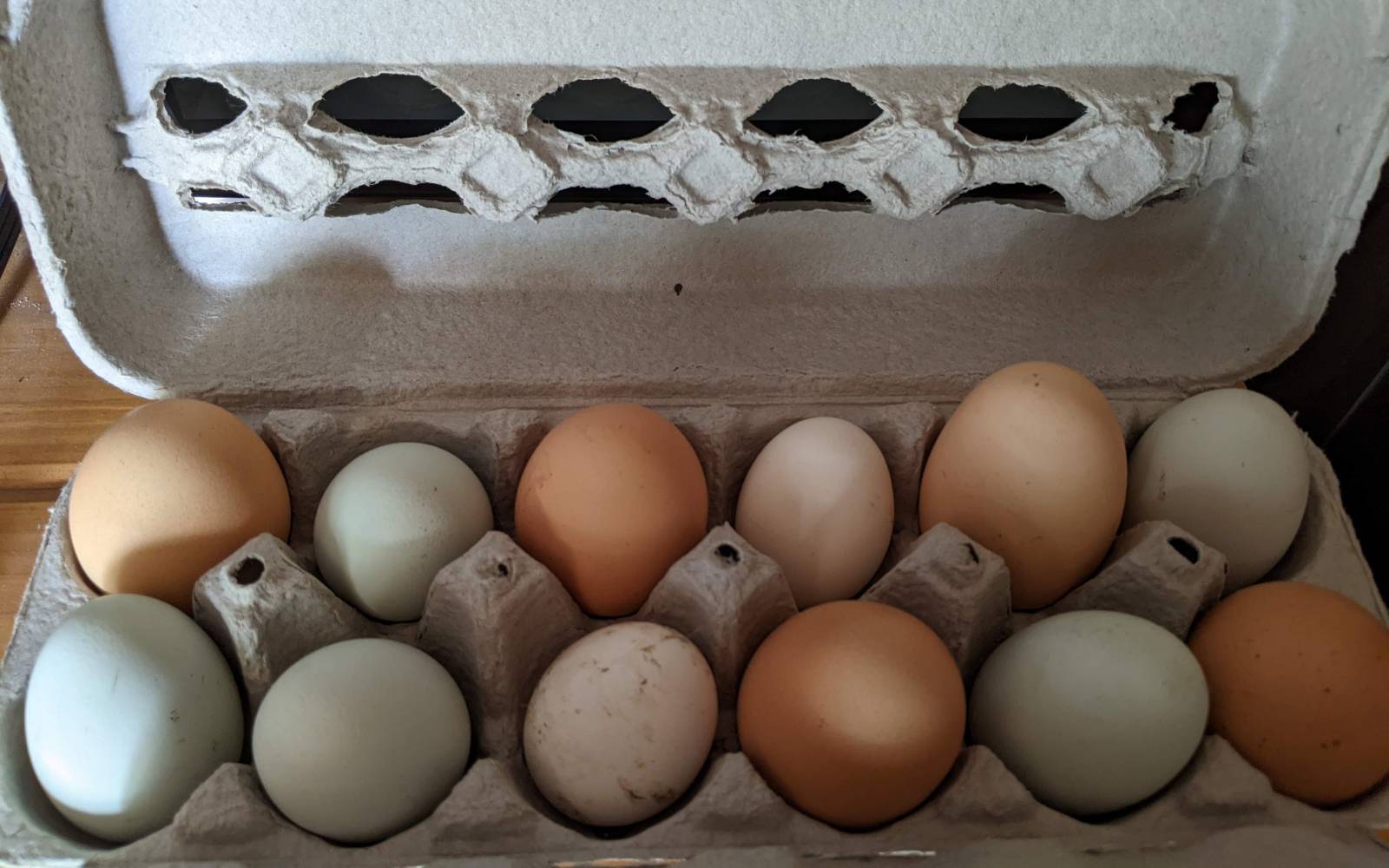
Thin shells can appear when calcium intake is low, but heat stress, age, disease, and interruptions in laying can also affect shell formation. Keep a complete ration available and offer oyster shell separately to active layers.
Occasional ridges, freckles, or unusual shapes are common. If abnormalities repeat across several birds, review nutrition, stress, and health.
- Collect eggs at least once daily
- Keep nest bedding clean and dry
- Record persistent changes instead of relying on memory
Molt and winter slow the calendar
During molt, nutrients are redirected toward new feathers and laying often slows or stops. Shorter daylight also reduces production for many breeds. This is normal biology, not a failure of the flock.
Support birds with a balanced ration, reduce unnecessary stress, and avoid expecting first-year production forever. Older hens may lay fewer eggs while still contributing flock stability, foraging skill, and reliable broody behavior.
The egg basket is usually reporting on something bigger than itself
When production drops, many keepers focus so hard on the missing eggs that they stop looking at the flock. That is backwards. Hens do not slow down in a vacuum. They respond to age, daylight, molt, stress, nutrition, flock pressure, water access, and hidden nests more often than they respond to some dramatic mystery.
The basket is often just the first clue that the system around the birds has changed.
Age is the plainest answer and often the correct one
Young hens usually lay hardest during their first couple of years. After that, even healthy birds commonly taper. Some birds stay respectable layers longer than others, but age always belongs in the conversation. If most of your flock is aging together, then the drop in eggs may be less a problem than a calendar.
That is one reason some keepers stagger age groups by adding younger birds over time. Others accept that the flock will rise and fall with age. Either approach is more realistic than assuming first-year production is the standard forever.
Molt can make it feel like the flock quit overnight
A hard molt redirects resources into feather replacement. That often means fewer eggs, sometimes far fewer, and hens that look rough enough to unsettle new keepers. Feathers turn up everywhere. The birds can appear quieter and less polished. The basket starts looking like somebody forgot half the flock exists.
It is inconvenient, but it is also normal. What matters is whether the birds otherwise look like ordinary molting hens or like birds whose decline goes deeper than feathers.
Build a laying record you can compare
Record the number of hens, eggs collected, damaged eggs, weather extremes, and obvious molt. A weekly total is usually enough for a backyard flock. Use the record to spot when the flock moves outside its own seasonal pattern, not to grade individual hens.
If production drops, verify the count before changing feed or light. Search for hidden nests, check for broken shells or egg residue, and confirm that another household member is not collecting without recording it. Then compare the decline with daylight, age, heat, recent stress, and body condition.
- Use the same seven-day period each week
- Separate cracked or shell-less eggs in the notes
- Mark new pullets and broody hens
- Record lighting changes on the day they begin
Handle abnormal eggs as evidence
Photograph repeated shell defects beside a coin or ruler and note which pen produced them. One wrinkled or soft egg can occur during a routine interruption. Similar defects across several days or several birds point toward a flock-level factor such as heat, stress, intake, or illness; review the flock as a whole.
Do not give large calcium doses directly to every hen because one shell looked thin. Keep complete feed available, offer appropriate calcium free-choice to laying birds, and assess whether the affected hen is eating. Persistent problems, blood, severe straining, abdominal swelling, or a bird repeatedly visiting the nest without producing an egg require veterinary advice.
- Collect often enough to limit breakage
- Discard heavily soiled or leaking eggs
- Do not wash eggs in cool or dirty standing water
- Refrigerate promptly when that is your household practice
Set a winter lighting policy
If winter production matters, use a timer to add morning light gradually so birds still go to roost with natural dusk. Keep a consistent dark period and avoid abrupt changes. Inspect fixtures for dust, moisture, exposed cords, and areas of excessive brightness that may increase pecking.
Lighting is optional for a backyard flock. Choosing a seasonal pause is compatible with good care. Repeated schedule changes make the egg record harder to interpret and can disrupt the flock.
Decision table
What to do with what you see
| Signal | Check next | Response |
|---|---|---|
| Whole-flock decline | Daylight, heat, molt, feed, water, and stress | Correct management factors and compare weekly totals |
| One hen strains repeatedly | Posture, abdomen, breathing, and output | Arrange prompt veterinary assessment |
| Eggs disappear | Hidden nests, predators, breakage, and collectors | Verify the count before changing nutrition |
At the coop
Inspection checklist
- Collect eggs at least once daily
- Keep nest bedding clean and dry
- Record persistent changes instead of relying on memory
- Use the same seven-day period each week
- Separate cracked or shell-less eggs in the notes
- Mark new pullets and broody hens
- Record lighting changes on the day they begin
References
- Penn State Extension: Artificial Lighting for Winter Egg Production
- Penn State Extension: What Do I Do with All These Eggs?
Checked July 28, 2026 · How sources are chosen
Breathing difficulty, uncontrolled bleeding, inability to stand, neurological signs, severe injury, or rapid decline require prompt professional care.